The Philippines is a nation of uneven density and shifting rural-to-urban migration patterns.
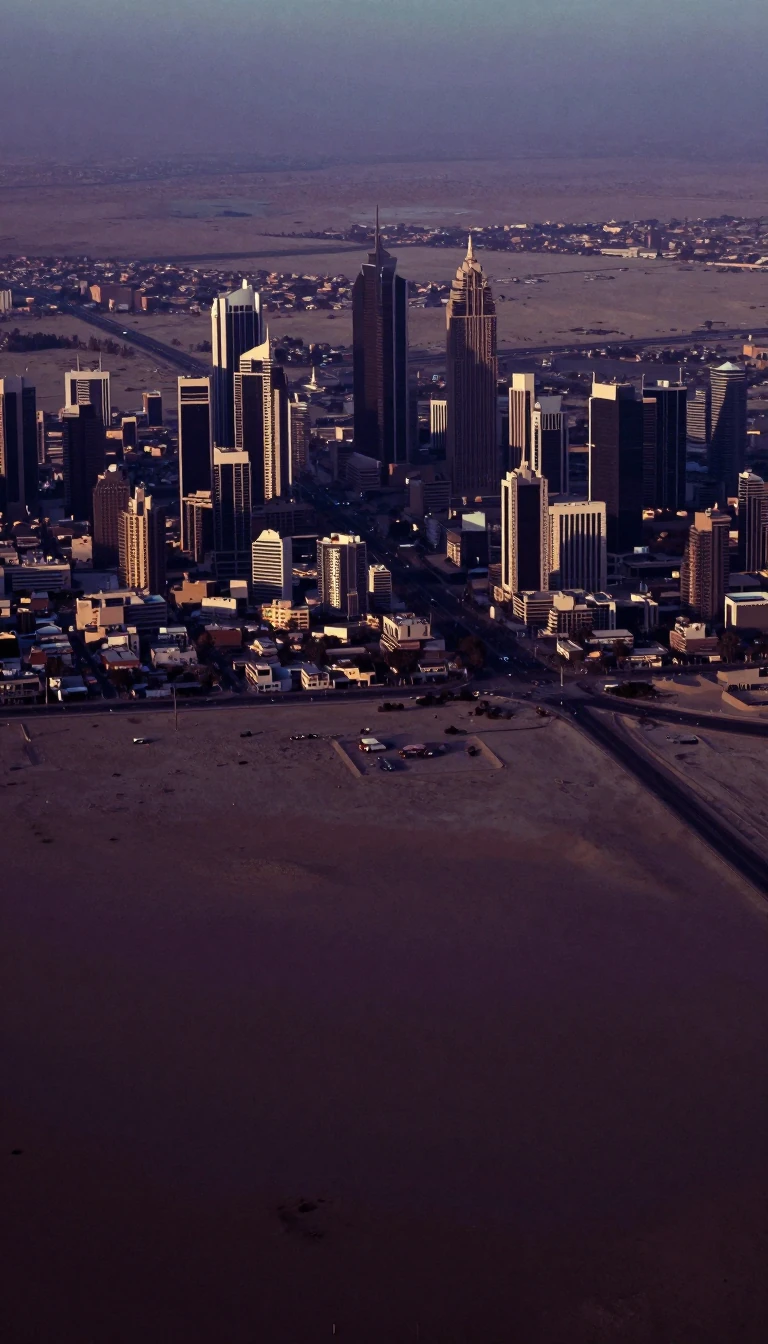
In short: While the Philippines maintains a high population density, its people are distributed in starkly contrasting ways. From the hyper-crowded streets of Metro Manila to the sparsely populated mountains of northern Luzon, the nation’s demographic landscape has been fundamentally reshaped by a century of rapid urbanization and persistent overseas migration.
At the dawn of the 20th century, the Philippines was a predominantly rural society, with more than four-fifths of its population living outside urban centers. By the early 21st century, that figure had shifted dramatically, with the rural proportion dropping to roughly two-fifths. This transition reflects a broader trend of movement from the countryside to towns and cities, a shift that accelerated significantly following the conclusion of World War II.
Despite efforts since the mid-20th century to manage the country’s growth, the birth rate remains notably higher than both the global average and the regional average for Southeast Asia. These efforts have seen limited success, largely because any reductions in the birth rate have been partially offset by simultaneous declines in the death rate. This demographic pressure is compounded by an uneven distribution of people; some areas of Metro Manila are more than 100 times as densely populated as remote, mountainous regions in northern Luzon.
The nation’s demographic story is also defined by its global reach. There is a significant history of emigration, with many Filipinos working as manual laborers or professionals in countries like the United States, Canada, and Guam. Furthermore, a large number of skilled and semiskilled workers engage in temporary overseas assignments, particularly in the Middle East and increasingly across East and Southeast Asia. This outward flow of labor remains a defining feature of the modern Philippine experience, reflecting the country's deep integration into the global economy.
Opens the Intellect+ feed with this card first. Swipe up for the next one.
Sources
- Summary by Intellect · source: Philippines - Population, Migration, Urbanization | Britannica
- Also: Demographics of the Philippines
To cite this card, link to https://intellectplus.co.uk/app/culture-demographics-of-the-philippines.
How we source, check and correct cards: Editorial standards.
General information, not professional advice. Spotted an error? Flag the card or see corrections and complaints.
Intellect Plus is a visual educational discovery platform for exploring fascinating facts and ideas. Brain Food, Not Brain Rot. What is Intellect Plus?
Related
More in Festivals & celebrations · More in Cultures · Latest · A–Z · All topics
