A nation of nomads navigating a rapid shift toward urban life
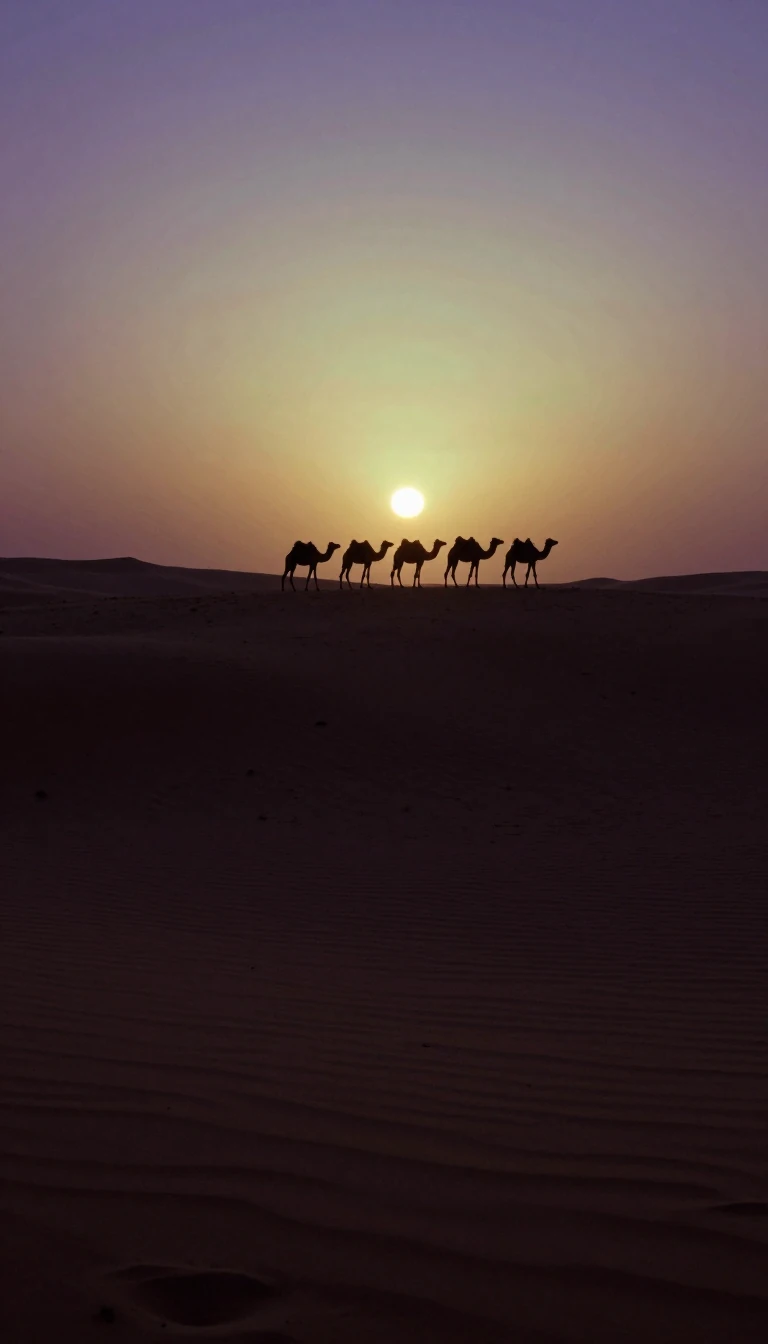
In short: While the image of the Mongolian steppe remains iconic, a profound demographic transformation is underway. With two-thirds of the population under age 30, Mongolia is a young nation balancing ancient semi-nomadic traditions with a growing, concentrated urban reality.
As of the 2020 census, Mongolia's population stood at approximately 3.3 million people, growing at an estimated rate of 1.6% per year. This growth is driven by an exceptionally young demographic: roughly 66% of the population is under the age of 30, and 36% are children under 14. This youthful energy is increasingly concentrated in urban centers; nearly half of the nation's residents now live in the capital, Ulaanbaatar, or other provincial hubs, even as semi-nomadic lifestyles persist in the countryside.
The ethnic fabric of the country is remarkably cohesive, though not monolithic. Ethnic Mongols comprise about 96% of the population, with the Khalkha subgroup representing 86% of that group. While minor distinctions exist between subgroups like the Oirat and Buryat, these are primarily linguistic and do not function as social or political dividers. The largest ethnic minority is the Kazakh group, making up roughly 3.8% to 3.9% of the population. This group traces its presence back to around 1860, when members of the Middle jüz Kazakhs fled Qing Empire massacres in Xinjiang to settle in the Bayan-Ölgii Province.
Religious and linguistic landscapes have also shifted significantly. Historically, shamanistic practices were common among nomads before gradually yielding to Tibetan Buddhism. While the communist regime suppressed Buddhism—leaving only a single monastery operational—the 1990 liberalization sparked a religious resurgence. Linguistically, while English and Russian remain prominent foreign languages, there is growing influence from Mandarin Chinese, Japanese, Korean, and German. Today, the nation remains a blend of its deep-rooted heritage and increasing global integration.
Opens the Intellect+ feed with this card first. Swipe up for the next one.
Sources
- Summary by Intellect · source: Demographics of Mongolia
To cite this card, link to https://intellectplus.co.uk/app/culture-demographics-of-mongolia.
How we source, check and correct cards: Editorial standards.
General information, not professional advice. Spotted an error? Flag the card or see corrections and complaints.
Intellect Plus is a visual educational discovery platform for exploring fascinating facts and ideas. Brain Food, Not Brain Rot. What is Intellect Plus?
Related
More in Festivals & celebrations · More in Cultures · Latest · A–Z · All topics
