WrestleMania XXVI: The night a legendary wrestling career reached its final, dramatic conclusion
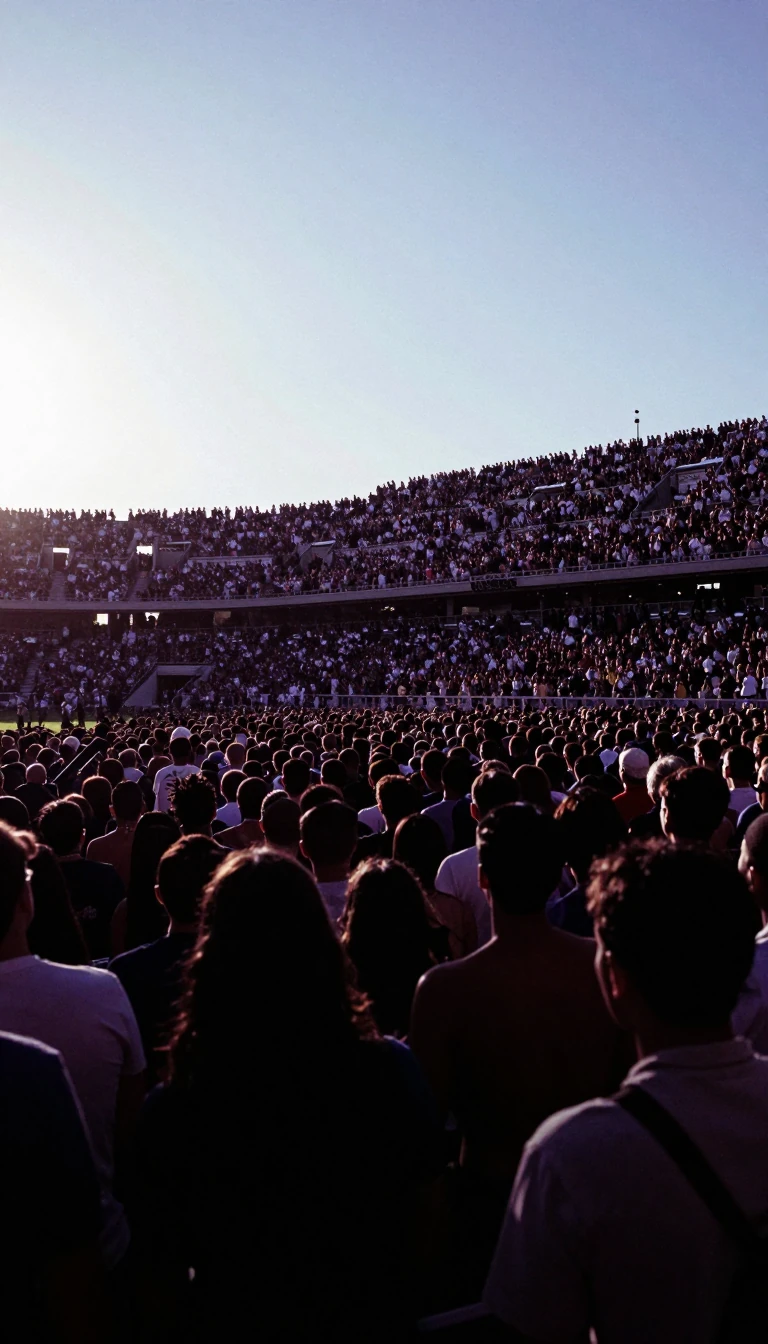
In short: Held in 2010 at the University of Phoenix Stadium, this landmark event drew over 72,000 spectators. It remains famous for a high-stakes main event that forced a wrestling icon into retirement, alongside a massive production effort that utilized custom-built equipment and pyrotechnics to transform an open-air football stadium into a spectacle.
WrestleMania XXVI, hosted in Glendale, Arizona, on March 28, 2010, represented a significant milestone for World Wrestling Entertainment. As the 26th installment of the promotion's flagship event, it drew a crowd of 72,219, generating $5.8 million in gate receipts and roughly 885,000 pay-per-view buys. The production scale was immense, requiring 100 trucks to deliver equipment—a sharp increase from the 12 typically used for standard shows. Designers utilized a ziggurat-inspired stage and a custom Belgian-made steel tarpaulin to protect the ring, which was positioned at the 50-yard line of the open-air venue.
The event is best remembered for the no-disqualification, no-countout clash between The Undertaker and Shawn Michaels. Following a pre-match stipulation, Michaels was forced to retire after failing to end The Undertaker's undefeated streak, which advanced to 18–0. This match served as the emotional centerpiece of a card that also featured John Cena defeating Batista for the WWE Championship and Chris Jericho successfully defending the World Heavyweight Championship against Edge. The undercard included a No Holds Barred match between Bret Hart and Mr. McMahon, as well as the final Money in the Bank ladder match to be held at a WrestleMania.
Beyond the matches, the event showcased the logistical complexity of modern professional wrestling. Production crews spent two weeks constructing the set, which featured fire-lined ramps and 400,000 individual pyrotechnic units designed to illuminate the stadium as sunlight faded. This event also marked a transitional period for the company, serving as the final WrestleMania before the original World Tag Team Championship and the original WWE Women's Championship were deactivated. It remains a definitive example of how the promotion integrates scripted storytelling with massive, stadium-sized spectacle.
The event's success was the result of years of planning, with the venue operator, Global Spectrum, publicly announcing its intent to host as early as 2008. By the time the show went live, it had become the highest-grossing entertainment event in the stadium's history. Through a combination of high-stakes narrative stipulations and unprecedented technical ambition, WrestleMania XXVI cemented its place as a pivotal chapter in the long-running history of the sport.
Opens the Intellect+ feed with this card first. Swipe up for the next one.
Sources
- Summary by Intellect · source: WrestleMania XXVI
To cite this card, link to https://intellectplus.co.uk/app/culture-wrestlemania-xxvi.
How we source, check and correct cards: Editorial standards.
General information, not professional advice. Spotted an error? Flag the card or see corrections and complaints.
Intellect Plus is a visual educational discovery platform for exploring fascinating facts and ideas. Brain Food, Not Brain Rot. What is Intellect Plus?
Related
More in UK & Irish culture · More in Cultures · Latest · A–Z · All topics
