The Houston stadium that launched a moonshot and redefined modern football architecture
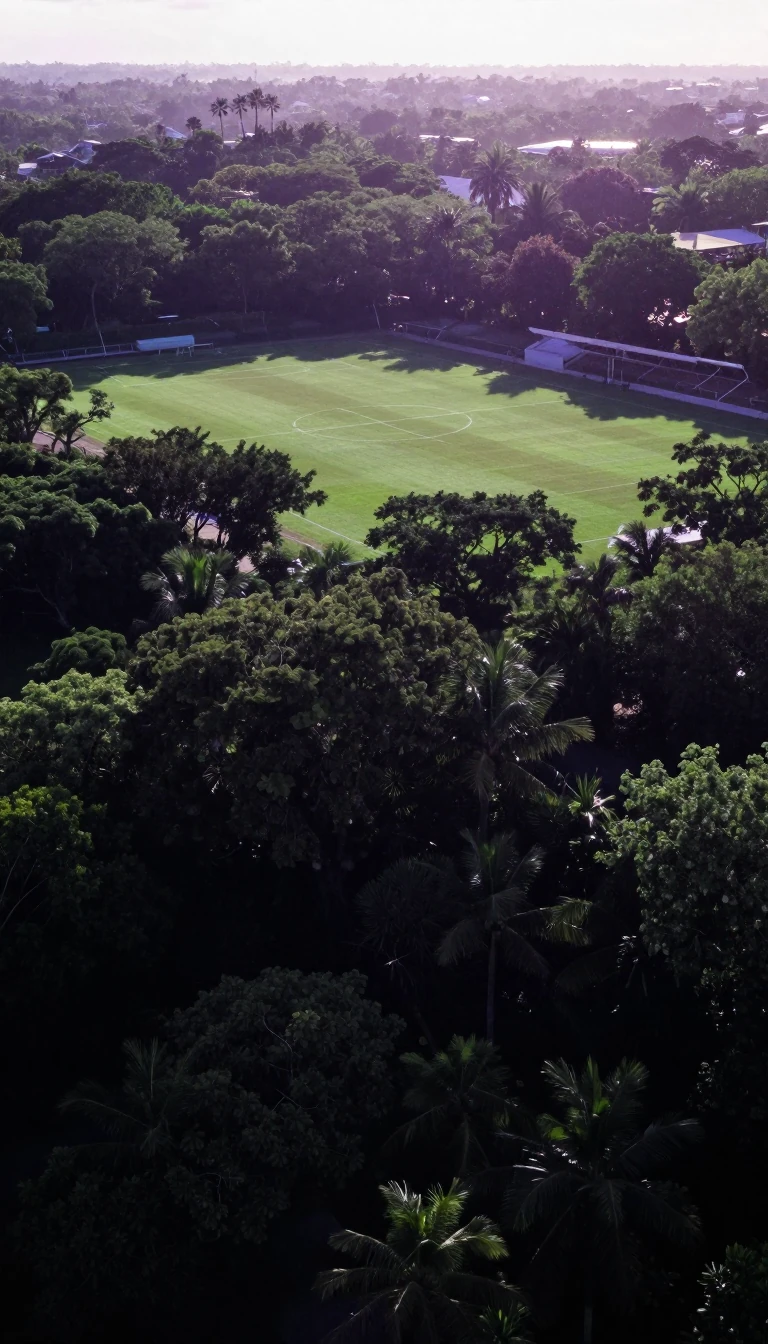
In short: Rice Stadium is more than a home for college football; it is a landmark of mid-century design and a historic stage. Beyond its reputation for perfect sightlines, the venue once hosted a presidential challenge that changed history, proving that even a sports arena can serve as a catalyst for human ambition.
Completed in 1950, Rice Stadium replaced a smaller facility to become a premier example of functionalist architecture. Designed by architects Hermon Lloyd, W. B. Morgan, and Milton McGinty, and constructed by Brown and Root, the stadium prioritized the spectator experience. By removing the traditional running track and angling the upper decks, the designers ensured that every seat offered an unobstructed view of the field. This efficiency extended to logistics, with an exit strategy capable of clearing the entire 70,000-seat venue in just nine minutes.
The stadium gained global prominence on September 12, 1962, when President John F. Kennedy delivered his famous speech challenging the nation to reach the Moon. Kennedy famously used the rivalry between Rice and the University of Texas to illustrate the necessity of pursuing difficult goals. While the stadium was built during an era when Rice was a competitive force in the Southwest Conference, the university’s subsequent decline in football performance made the massive 70,000-seat capacity difficult to sustain. Over time, the venue transitioned from a college powerhouse to a multipurpose site, hosting Super Bowl VIII in 1974 and various professional teams, including the Houston Oilers.
In recent decades, the stadium has undergone significant physical transformations to adapt to modern needs. Following a 2006 upgrade that replaced the turf and added a new scoreboard, the university began downsizing the facility to better suit current attendance levels. Recent developments, such as the 2015 construction of the Brian Patterson Sports Performance Center and the 2020 addition of the Robert L. Waltrip Training Center, reflect a shift toward specialized athletic infrastructure. The ongoing Gateway Project, scheduled for completion in 2028, will further reduce capacity to approximately 30,000, signaling a new chapter for the historic site as it integrates more closely with the surrounding campus and community.
Opens the Intellect+ feed with this card first. Swipe up for the next one.
Sources
- Summary by Intellect · source: Rice Stadium (Rice University)
To cite this card, link to https://intellectplus.co.uk/app/history-rice-stadium-rice-university.
How we source, check and correct cards: Editorial standards.
General information, not professional advice. Spotted an error? Flag the card or see corrections and complaints.
Intellect Plus is a visual educational discovery platform for exploring fascinating facts and ideas. Brain Food, Not Brain Rot. What is Intellect Plus?
Related
More in Born on this day · More in History · Latest · A–Z · All topics
