The slow, relentless friction that carves our planet's most dramatic landscapes
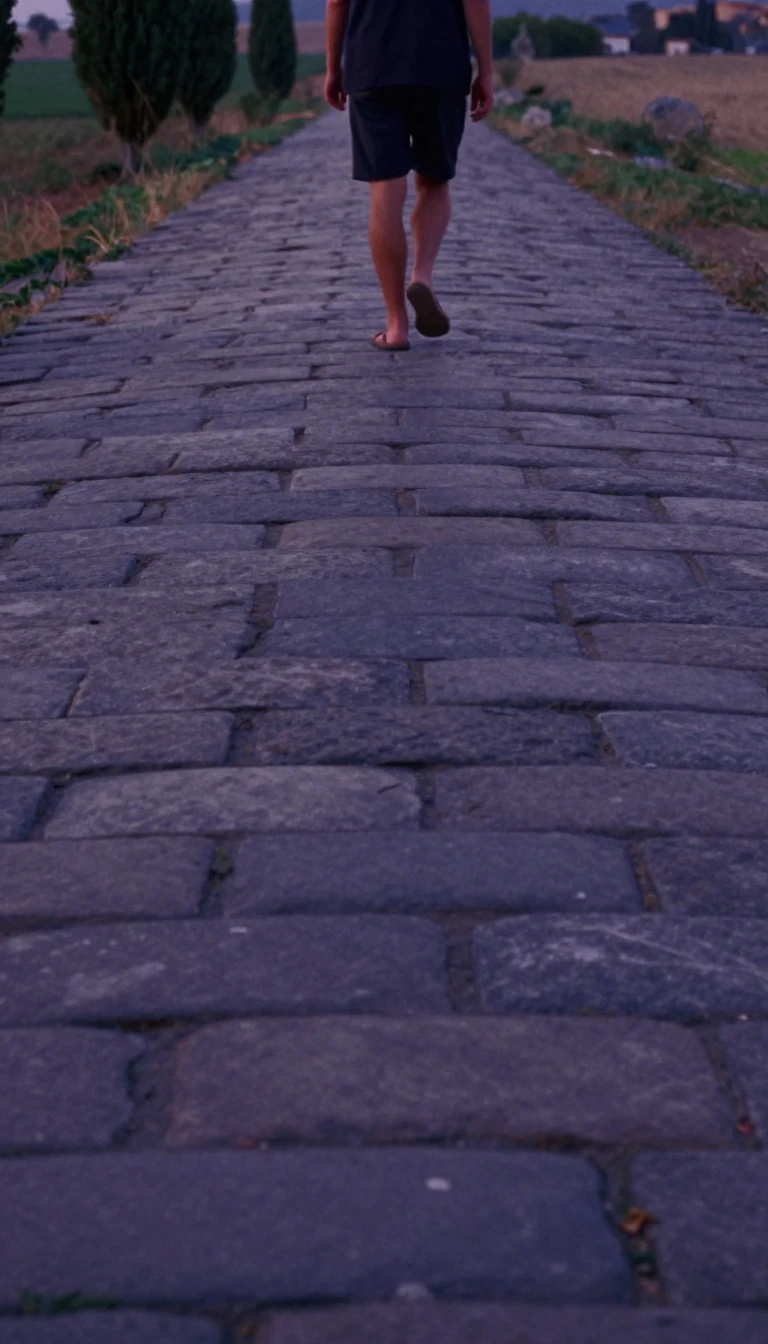
In short: Abrasion is the natural sandpaper of the Earth. Whether driven by glaciers, rivers, waves, or wind, this process of physical weathering grinds down bedrock through the constant friction of moving debris. It is a silent, persistent force that transforms jagged mountains into smooth valleys and shapes our coastlines.
At its core, abrasion is a mechanical process of friction involving the scuffing, scratching, and rubbing away of surfaces. While often confused with attrition—where objects collide and break into smaller pieces—abrasion is specifically about the wear caused by two surfaces interacting. The intensity of this destruction is dictated by the hardness, concentration, velocity, and mass of the particles involved. Geomorphologists today often use the term interchangeably with general wear, though it remains a distinct, primary driver of surface-level erosion across diverse environments.
In glacial settings, the process is particularly powerful. As ice slides over bedrock, it carries rocks and sediments that act like a grinding tool, polishing the stone and leaving behind telltale glacial striations. This action is responsible for carving iconic U-shaped valleys. While plucking—the removal of larger rock fragments—is often cited as the dominant glacial force, research suggests that in softer rocks with wide joint spacing, abrasion can be just as efficient at reshaping the landscape.
The reach of abrasion extends far beyond ice. In river channels, both bedload and suspended load scour banks and beds, contributing to bedrock incision. Along coastlines, breaking waves hurl sand and fragments against cliffs, causing undercutting that can lead to structural collapse. Even wind plays a critical role; in arid regions, aeolian abrasion can erode rock surfaces with such intensity that it may potentially amplify canyon incision rates by an order of magnitude beyond what water alone achieves. Understanding these mechanisms is increasingly vital as climate change and rising sea levels threaten the stability of coastal infrastructure and alter natural landscape evolution.
Opens the Intellect+ feed with this card first. Swipe up for the next one.
Sources
- Summary by Intellect · source: Abrasion (geology)
To cite this card, link to https://intellectplus.co.uk/app/nature-abrasion-geology.
How we source, check and correct cards: Editorial standards.
General information, not professional advice. Spotted an error? Flag the card or see corrections and complaints.
Intellect Plus is a visual educational discovery platform for exploring fascinating facts and ideas. Brain Food, Not Brain Rot. What is Intellect Plus?
Related
More in Geomorphology · More in Nature · Latest · A–Z · All topics
