Why these barren, eroded landscapes are far more than just bad land
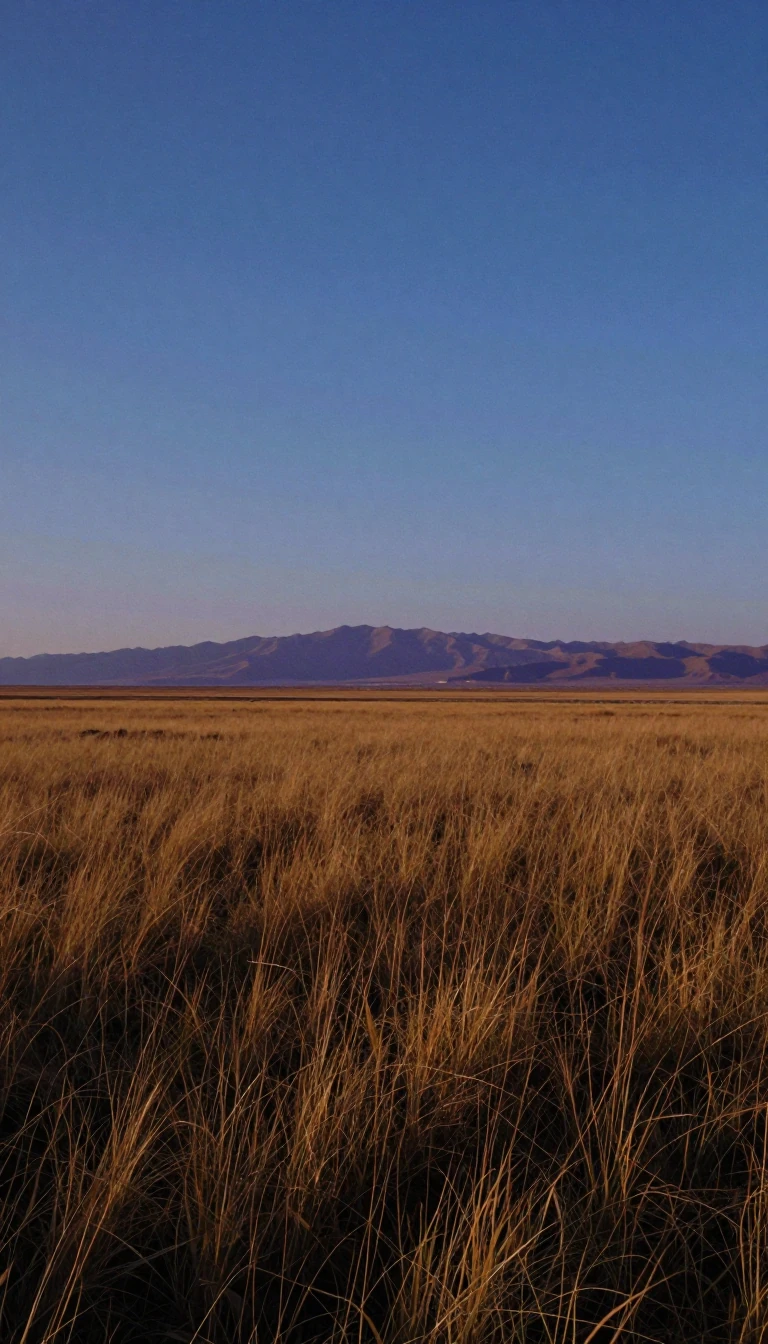
In short: Known for their steep slopes and lack of vegetation, badlands are dramatic geological formations carved by relentless water erosion. While often seen as inhospitable, these landscapes—found on every continent except Antarctica—reveal the raw mechanics of earth’s surface, acting as natural time capsules that expose ancient, unconsolidated sedimentary layers.
Badlands are defined by a distinctive topography of deep drainage channels and sharp, steep ridges known as interfluves. This terrain arises where impermeable ground, such as mudrock or bentonite clay, meets infrequent but intense rainfall. Because the surface cannot absorb the water, it is channeled into a dense network of gullies and ravines that rapidly dissect the landscape. This process is often accelerated by the lack of protective vegetation and a thin or nonexistent regolith, leaving the soft bedrock exposed to the elements.
The term itself is a translation of the French 'les mauvaises terres,' a name given by fur traders to describe terrain that was notoriously difficult to traverse. This aligns with the Lakota term 'mako sica,' meaning 'bad land' or 'eroded land.' While most badlands are the result of natural geological processes, they can also be created by human activity. Poor agricultural practices, such as overgrazing, or industrial damage like acid mine drainage, can strip away vegetation and trigger rapid, artificial erosion, as seen at the Cheltenham Badlands in Ontario.
Despite their reputation for being barren, these areas are vital for scientific research. Because they lack significant soil cover, they serve as open-air laboratories for geology and paleontology. In places like Badlands National Park, the erosion rate is estimated at about 25 millimetres per year, constantly revealing new layers of the earth's history. While some regions are attempting reforestation, the process is slow, often taking many decades to establish stable plant life in such highly erodible environments.
Opens the Intellect+ feed with this card first. Swipe up for the next one.
Sources
- Summary by Intellect · source: Badlands
To cite this card, link to https://intellectplus.co.uk/app/nature-badlands.
How we source, check and correct cards: Editorial standards.
General information, not professional advice. Spotted an error? Flag the card or see corrections and complaints.
Intellect Plus is a visual educational discovery platform for exploring fascinating facts and ideas. Brain Food, Not Brain Rot. What is Intellect Plus?
Related
More in Geomorphology · More in Nature · Latest · A–Z · All topics
