Why these isolated desert towers are defined by their height rather than their width
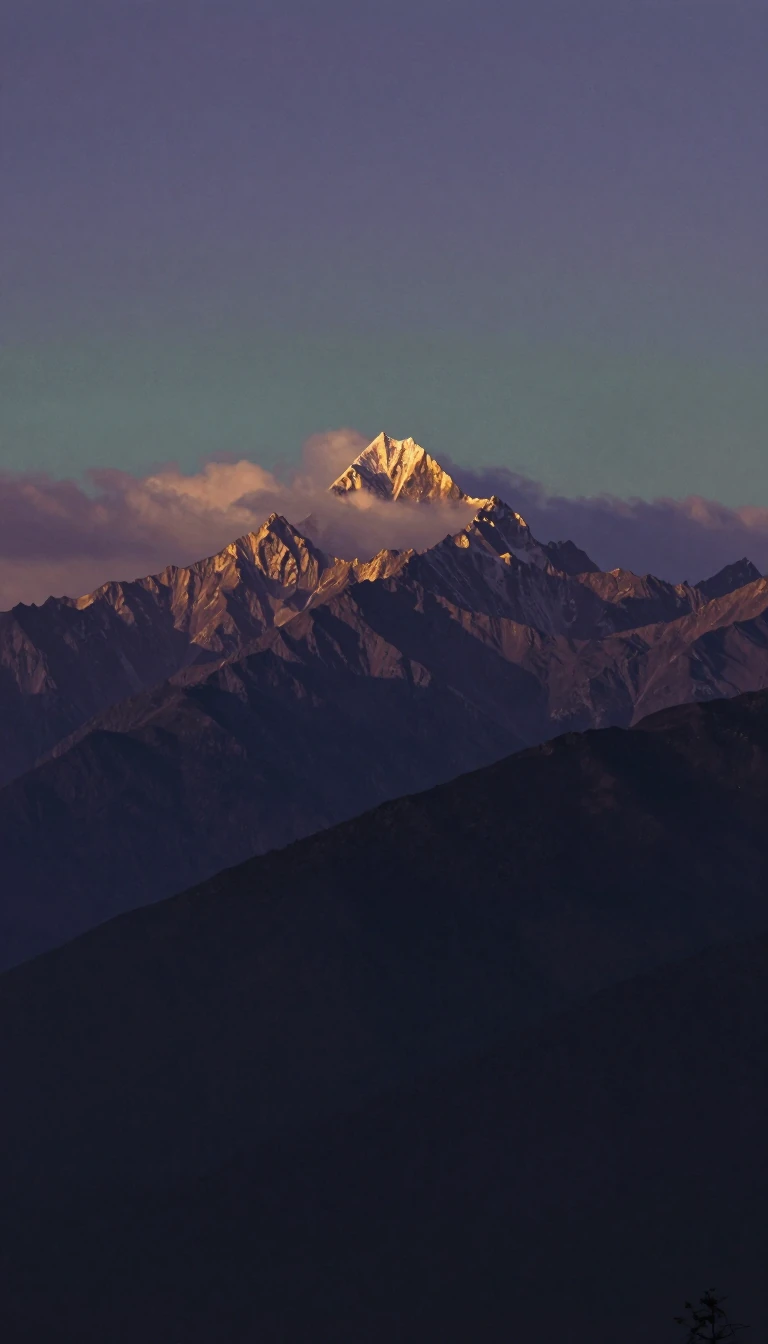
In short: A butte is more than just a lonely hill. These steep-sided landmarks are defined by a simple geometric rule: if the top is narrower than the height, it is a butte. If the top is wider, it is a mesa. Their existence is a testament to the slow, relentless power of erosion.
Buttes are the remnants of a landscape that has been carved away by time. They form through a process of differential erosion, where a layer of hard, resistant caprock protects the softer, more vulnerable sedimentary rock beneath it. As wind and weather strip away the surrounding terrain, the protected core remains standing in isolation. Over time, the caprock itself succumbs to the elements, and the debris that falls from the summit accumulates at the base as a talus or scree slope.
While geographers use the ratio of width to height to distinguish buttes from larger landforms like mesas, plateaus, and tablelands, the term is often applied more loosely in practice. Some formations, such as the 12,168-foot Crested Butte in Colorado or the craggy Sutter Buttes in California, lack the classic flat top entirely. Others, like the iconic Mitten Buttes in Monument Valley, serve as quintessential examples of the form, having gained fame as the backdrop for numerous western films directed by John Ford.
The geological composition of these features can vary significantly. While many are sedimentary, others are formed from different materials entirely. Devils Tower in Wyoming, for instance, is a laccolithic butte composed of igneous rock. Because of their striking silhouettes, these formations have become essential landmarks across the American West, though the nomenclature remains inconsistent. Many hills that are technically not buttes carry the name, while other prominent formations, such as Courthouse Rock in Nebraska, are true buttes in every sense despite their different labels.
Opens the Intellect+ feed with this card first. Swipe up for the next one.
Sources
- Summary by Intellect · source: Butte
To cite this card, link to https://intellectplus.co.uk/app/nature-butte.
How we source, check and correct cards: Editorial standards.
General information, not professional advice. Spotted an error? Flag the card or see corrections and complaints.
Intellect Plus is a visual educational discovery platform for exploring fascinating facts and ideas. Brain Food, Not Brain Rot. What is Intellect Plus?
Related
More in Geomorphology · More in Nature · Latest · A–Z · All topics
