Why the world's highest mountain peaks remain stubbornly treeless despite their proximity to life
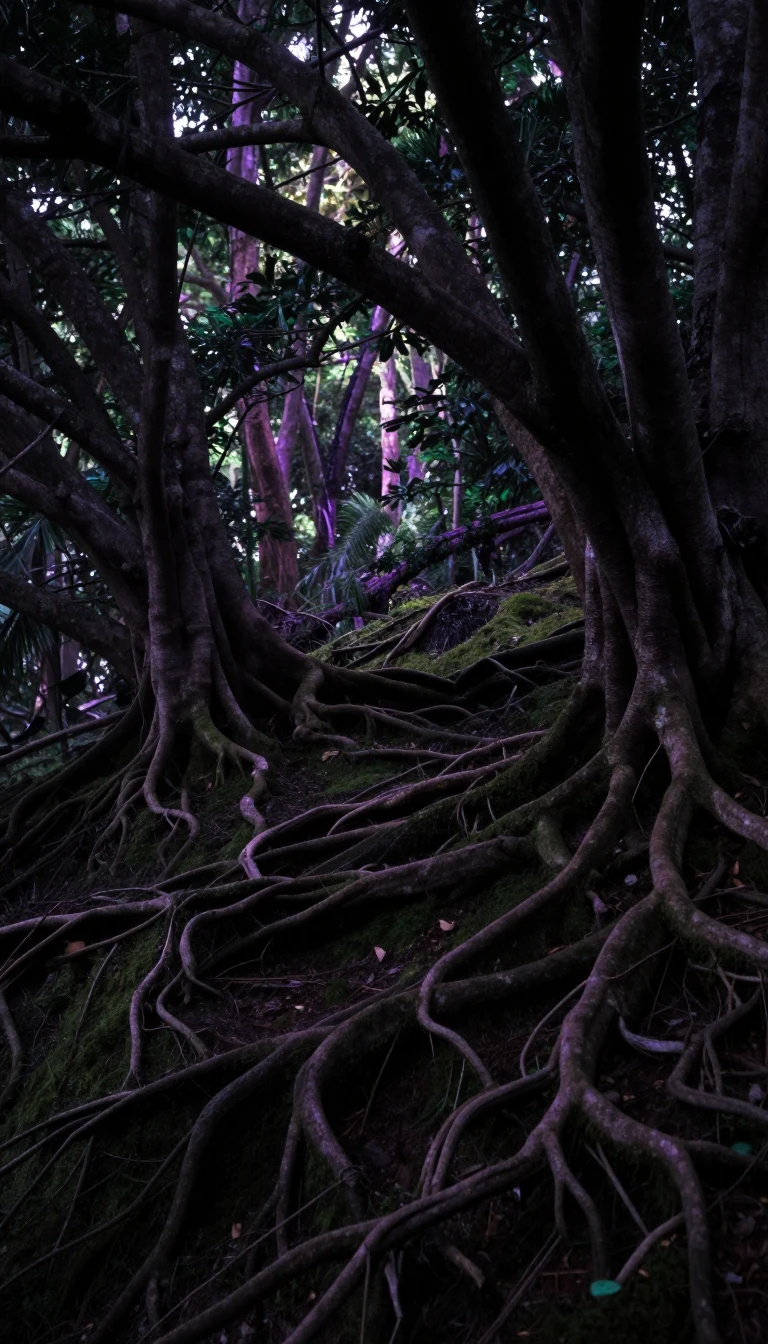
In short: Alpine tundra is a high-altitude biome where trees simply cannot survive. Driven by thin air, fierce winds, and short growing seasons, this landscape forces life to hug the ground. From cushion plants to hardy shrubs, vegetation here has evolved ingenious ways to trap heat and endure extreme environmental isolation.
Alpine tundra exists wherever elevation renders the climate too harsh for forests. While the specific altitude varies by latitude—merging with polar tundra near the poles and reaching thousands of meters high in the tropics—the fundamental constraint is the treeline. This boundary is defined by the inability of trees to tolerate cold temperatures, extreme snowpack, and limited moisture. Climatologists like Wladimir Köppen and Otto Nordenskjöld have long sought to quantify this limit, noting that summer warmth is a primary factor; if the average temperature of the warmest month stays below 10 °C, forests cannot establish themselves.
The environment is defined by its verticality and volatility. As air rises, it expands and cools at a rate of roughly 10 °C per kilometer, creating a climate that mimics polar regions. This creates a mosaic of microhabitats where a change in topography of just one foot can dictate whether a patch of ground is swept bare by wind or buried under snow. Plants have adapted through extreme specialization: cushion plants grow in dense, moss-like clumps to escape wind, while others use red pigments to convert sunlight into heat. Because the growing season may last as few as 45 days, many species invest heavily in roots and rhizomes for carbohydrate storage, allowing them to survive the long, frozen winter.
Despite the harshness, alpine regions are hotspots of biodiversity and endemism. Geographical isolation and the complex history of glaciation have driven unique evolutionary paths, resulting in a high variety of species compared to lower elevations. However, this ecosystem is remarkably fragile. The same adaptations that allow plants to thrive in rock crannies make them vulnerable to human impact; a single footprint can damage vegetation that takes centuries to recover. Unlike Arctic tundra, these high-mountain zones typically lack permafrost, yet they remain one of the most physically demanding environments on Earth, supporting a specialized fauna that often migrates vertically to survive the winter months.
Opens the Intellect+ feed with this card first. Swipe up for the next one.
Sources
- Summary by Intellect · source: Alpine tundra
- Also: Alpine tundra | geography | Britannica
To cite this card, link to https://intellectplus.co.uk/app/nature-alpine-tundra.
How we source, check and correct cards: Editorial standards.
General information, not professional advice. Spotted an error? Flag the card or see corrections and complaints.
Intellect Plus is a visual educational discovery platform for exploring fascinating facts and ideas. Brain Food, Not Brain Rot. What is Intellect Plus?
Related
More in Earth science basics · More in Nature · Latest · A–Z · All topics
