Cenotes are more than just swimming holes; they are portals to ancient history and ecosystems.
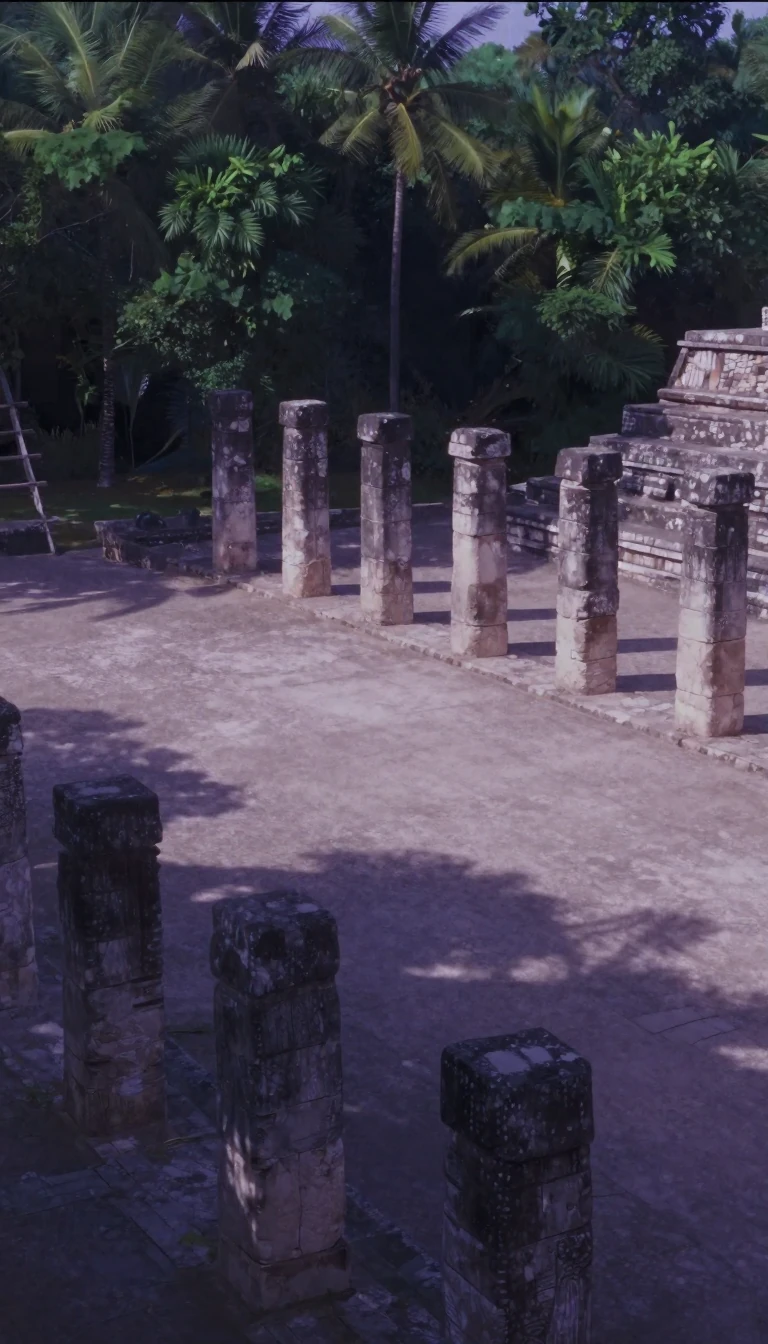
In short: These natural limestone sinkholes, found in abundance across Mexico's Yucatán Peninsula, serve as vital freshwater sources and gateways to vast, hidden underwater cave systems. Beyond their geological wonder, cenotes have acted as sacred ritual sites for the Maya and continue to harbor unique, evolutionarily adapted wildlife in their dark, subterranean depths.
A cenote is a natural pit formed when limestone bedrock collapses, exposing groundwater. While the term originated from the Yucatec Maya word tsʼonoʼot, these karst features appear globally in regions with young, post-Paleozoic limestone. In the Yucatán Peninsula, an estimated 10,000 of these sinkholes exist, ranging from small, root-covered openings to massive, open-water pools. Their formation is a slow process of rock dissolution and structural collapse, often accelerated when the water table drops and the ceiling loses its buoyant support.
These sites are crucial to the region's ecology, acting as the primary perennial source of fresh water. Because the Yucatán lacks significant surface rivers, cenotes support diverse life, including specialized cave-dwelling species that have evolved to be blind and pigment-free. Bats are particularly reliant on these habitats, using them as flight corridors and foraging grounds, while also acting as essential pollinators for local flora like the ceiba tree. The water within these systems is often density-stratified, where fresh rainwater floats atop saline water, creating a halocline—a sharp, refractive interface that can cause visual distortion for divers.
Historically, cenotes were central to Maya civilization, serving as both water supplies and ceremonial sites. Archaeologists have discovered human remains and artifacts within them, confirming legends of ritual offerings to the rain god, Chaac. Modern exploration has revealed even older secrets; in 2008, divers in the Hoyo Negro pit found a human skull and mastodon remains. Today, these sites face threats from tourism and infrastructure projects like the Maya Train, prompting ongoing efforts to balance human visitation with the protection of these fragile, scientifically significant environments.
Opens the Intellect+ feed with this card first. Swipe up for the next one.
Sources
- Summary by Intellect · source: Cenote
To cite this card, link to https://intellectplus.co.uk/app/nature-cenote.
How we source, check and correct cards: Editorial standards.
General information, not professional advice. Spotted an error? Flag the card or see corrections and complaints.
Intellect Plus is a visual educational discovery platform for exploring fascinating facts and ideas. Brain Food, Not Brain Rot. What is Intellect Plus?
Related
More in Geomorphology · More in Nature · Latest · A–Z · All topics
