These massive mountain amphitheaters are carved by ice, but sometimes by water instead
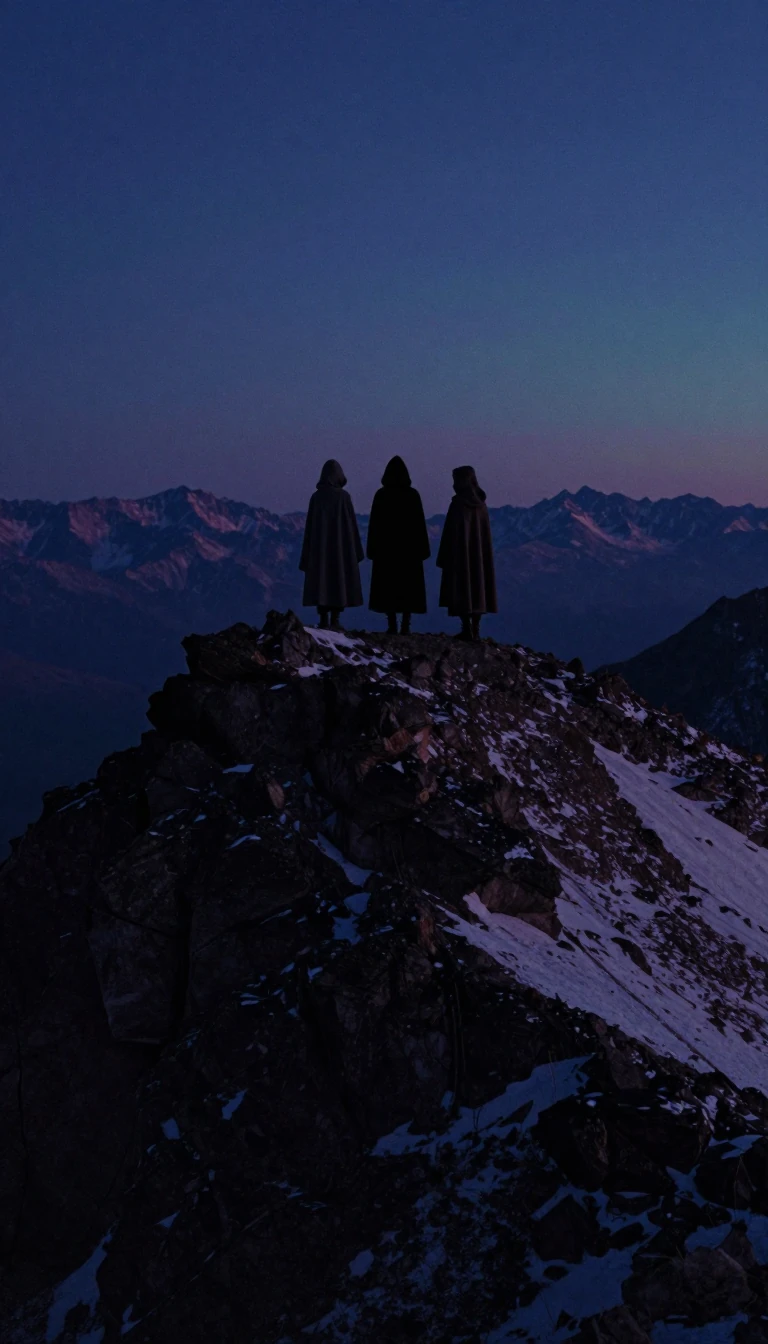
In short: A cirque is a dramatic, bowl-shaped valley carved into a mountainside. While most are sculpted by the slow, grinding power of ancient glaciers, some are formed by rivers cutting through limestone. These geological landmarks serve as natural records, helping scientists map past climates and the history of our planet's ice.
Glacial cirques are iconic mountain features, typically spanning about one kilometer in length and width. They form high on slopes near the firn line, where snow accumulates and transforms into glacial ice. Protected from direct sunlight and prevailing winds—often on north-east facing slopes in the Northern Hemisphere—these hollows grow through nivation. As ice segregation and weathering disintegrate the rock, the glacier begins to abrade the bedrock like sandpaper, deepening the basin into a characteristic bowl shape.
The structure of a glacial cirque is defined by steep, cliff-like headwalls on three sides and a lower lip or threshold on the fourth. As the glacier moves, it may leave behind a tarn, a small lake trapped by a natural dam of bedrock or debris. When multiple cirques erode toward one another, they can create sharp ridges known as arêtes or, if three or more converge, a dramatic pyramidal peak like the Matterhorn. In some instances, cirques form in a sequence, creating a stepped landscape known as a cirque stairway.
While glaciers are the primary architects, the term also describes amphitheater-like features carved by fluvial erosion. These makhtesh or fluvial cirques occur in karst landscapes where intermittent rivers cut through layers of limestone and chalk. A defining characteristic of these formations is a structure where erosion-resistant upper layers sit atop more easily eroded materials. Whether glacial or fluvial, these massive basins offer a window into the forces that shape our mountains, with their locations providing vital data on historical glaciation patterns and climate change.
Opens the Intellect+ feed with this card first. Swipe up for the next one.
Sources
- Summary by Intellect · source: Cirque
To cite this card, link to https://intellectplus.co.uk/app/nature-cirque.
How we source, check and correct cards: Editorial standards.
General information, not professional advice. Spotted an error? Flag the card or see corrections and complaints.
Intellect Plus is a visual educational discovery platform for exploring fascinating facts and ideas. Brain Food, Not Brain Rot. What is Intellect Plus?
Related
More in Geomorphology · More in Nature · Latest · A–Z · All topics
