The elusive Blue Moon crayfish was hiding in plain sight within the aquarium trade
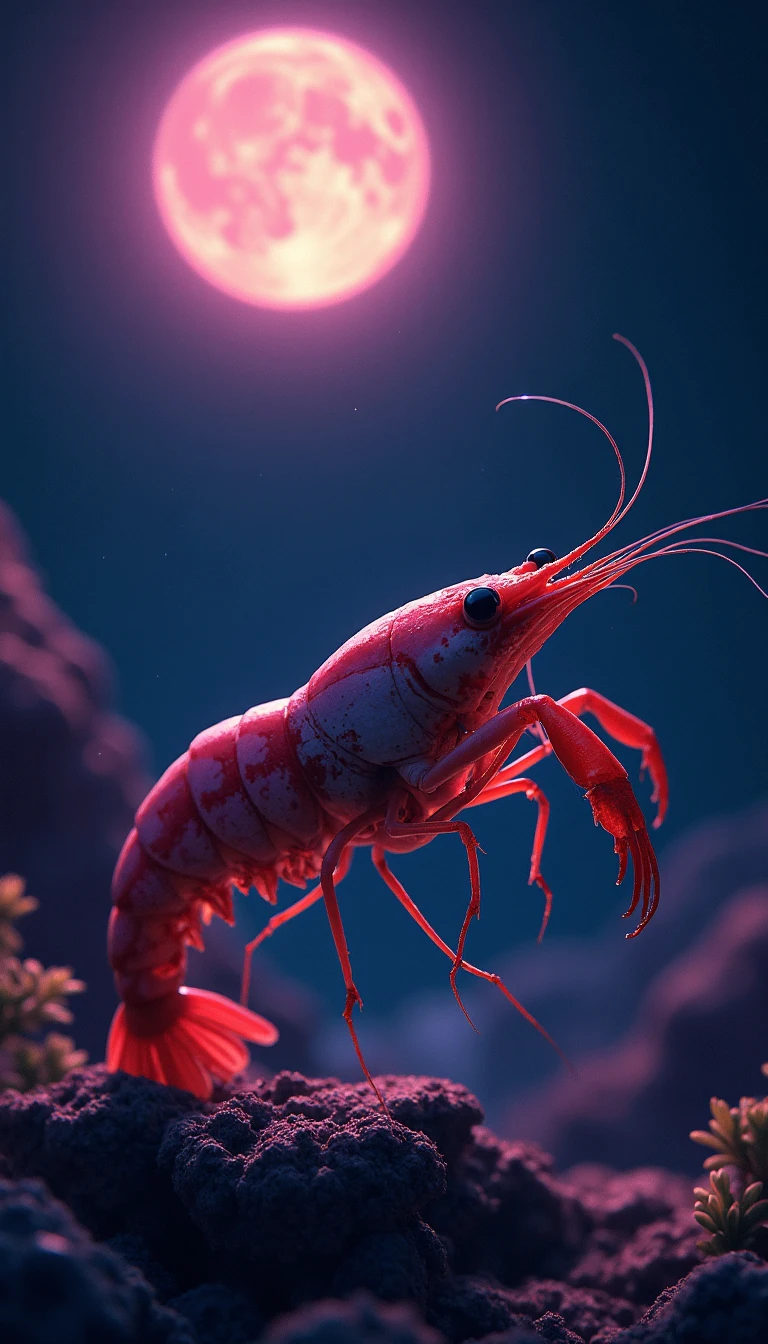
In short: Before scientists officially described Cherax pulcher, the species was already a global sensation in the aquarium trade. Known by names like Blue Moon and Irian Jaya, this vibrant crustacean was being sold worldwide long before researchers could pinpoint its remote home in the creeks of West Papua, Indonesia.
The discovery of Cherax pulcher is a rare tale of commerce preceding formal taxonomy. While the species was already circulating through aquarium markets across Asia, Europe, and North America, its exact origin remained a mystery. Dealers provided conflicting information about where the animals were collected, making it difficult for scientists to verify their natural habitat. It was only after researchers collaborated with the Maju Aquarium in Jakarta that they successfully traced the crayfish to the Bird's Head Peninsula in New Guinea.
Formally described in 2015, the species is named for the Latin word pulcher, meaning beautiful, a nod to its striking appearance. The crayfish displays a complex palette: a pink cephalothorax, greenish-blue rostrum, and a dark blue or black pleon. Its legs and chelae are vivid blue, often edged in cream or white. Males typically reach 75 to 98 millimetres in length, while females are slightly more uniform, measuring between 83 and 90 millimetres. These crustaceans possess notably large eyes and a slightly oval body shape.
As of 2015, the species was known to inhabit only Hoa Creek, near the village of Teminabuan. This environment is characterized by clear, fast-flowing water over sandy and rocky substrates. It is the nineteenth Cherax species discovered in West Papua, and it shares close morphological similarities with C. boesemani, which lives in the nearby Ajamaru Lake and River system, just 22 kilometres away. Despite its popularity, the species faces significant pressure. Local collectors report that populations are already declining due to intensive harvesting for both the international ornamental pet trade and local food consumption, highlighting the precarious balance between commercial demand and the preservation of this unique, localized species.
The rapid commercialization of such a localized species underscores the challenges of modern biodiversity conservation. Because the crayfish is harvested for export under various trade names, its wild population is vulnerable to over-exploitation before its ecological role or full geographic range is even understood. The case of Cherax pulcher serves as a reminder that the global aquarium trade can reach into the most remote corners of the world, often impacting species before they are fully documented by the scientific community.
Opens the Intellect+ feed with this card first. Swipe up for the next one.
Sources
- Summary by Intellect · source: Cherax pulcher
- Also: iNaturalist — Lightning Crayfish (Cherax pulcher) · CC BY-SA 4.0 (Wikipedia summary)
To cite this card, link to https://intellectplus.co.uk/app/nature-cherax-pulcher.
How we source, check and correct cards: Editorial standards.
General information, not professional advice. Spotted an error? Flag the card or see corrections and complaints.
Intellect Plus is a visual educational discovery platform for exploring fascinating facts and ideas. Brain Food, Not Brain Rot. What is Intellect Plus?
Related
More in Arthropods · More in Nature · Latest · A–Z · All topics
