Water fleas are ancient, resilient crustaceans that have mastered the art of survival.
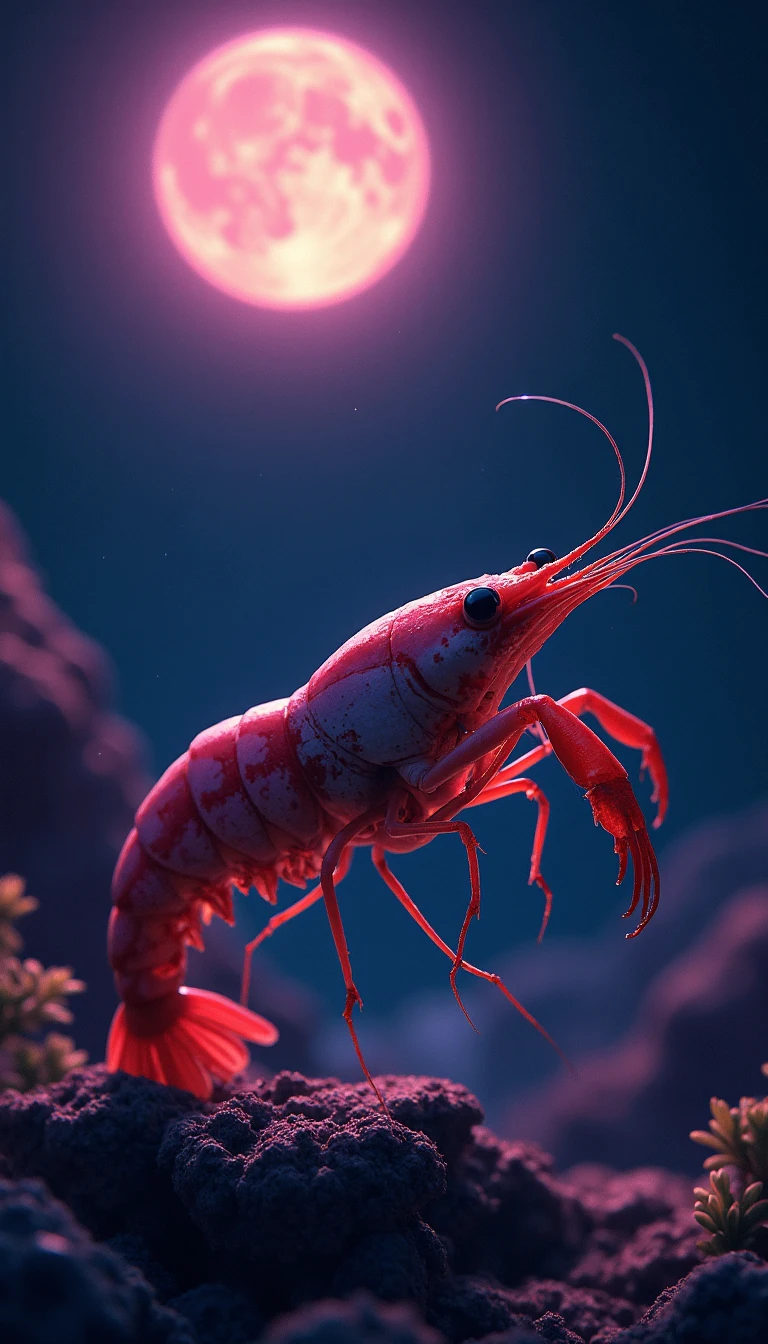
In short: Commonly known as water fleas, Cladocera are tiny, aquatic crustaceans that thrive in freshwater environments. Despite their small size, these organisms possess a remarkable survival strategy involving cyclical parthenogenesis, allowing them to clone themselves when conditions are ideal and produce dormant, wind-dispersed eggs when the environment turns harsh or unpredictable.
Cladocera, whose name derives from the Greek for branch and horn, are a diverse group of crustaceans typically measuring between 0.2 and 6.0 mm. While most of the 1,000-plus recognized species inhabit freshwater, they are unique among Branchiopoda for their ability to colonize oceanic environments. Their anatomy is distinct, characterized by a folded carapace that shields their thorax and abdomen, and a single, median compound eye. They navigate their world using powerful, branched second antennae, while their leaf-like thoracic appendages facilitate both respiration and feeding on bacteria and organic detritus.
The evolutionary history of these creatures is deep, though often obscured by the fossil record. While the oldest confirmed fossils date to the Early Jurassic, their modern morphology suggests they likely radiated during the late Paleozoic. Taxonomically, they are nested within the broader group Diplostraca. While traditional systems separated them from clam shrimp, modern molecular and morphological analysis indicates that the old classification of Conchostraca is paraphyletic, leading some authorities to treat Cladocera as a synonym for the superorder Diplostraca, which encompasses over 11,000 species.
Their reproductive cycle is a masterclass in adaptation. During favorable periods, females reproduce via parthenogenesis, creating clones to rapidly populate an area. As environmental conditions deteriorate, the population shifts to sexual reproduction, resulting in ephippial eggs. These dormant structures are highly resistant to harsh conditions and can be transported across land by wind, enabling these tiny organisms to achieve cosmopolitan distributions. This resilience, combined with their ability to inhabit diverse niches—from inland lakes to leaf litter—ensures their continued success across the globe.
Opens the Intellect+ feed with this card first. Swipe up for the next one.
Sources
- Summary by Intellect · source: Cladocera
To cite this card, link to https://intellectplus.co.uk/app/nature-cladocera.
How we source, check and correct cards: Editorial standards.
General information, not professional advice. Spotted an error? Flag the card or see corrections and complaints.
Intellect Plus is a visual educational discovery platform for exploring fascinating facts and ideas. Brain Food, Not Brain Rot. What is Intellect Plus?
Related
More in Arthropods · More in Nature · Latest · A–Z · All topics
