Branchiopods are ancient survivors that can turn frozen or dried eggs into life
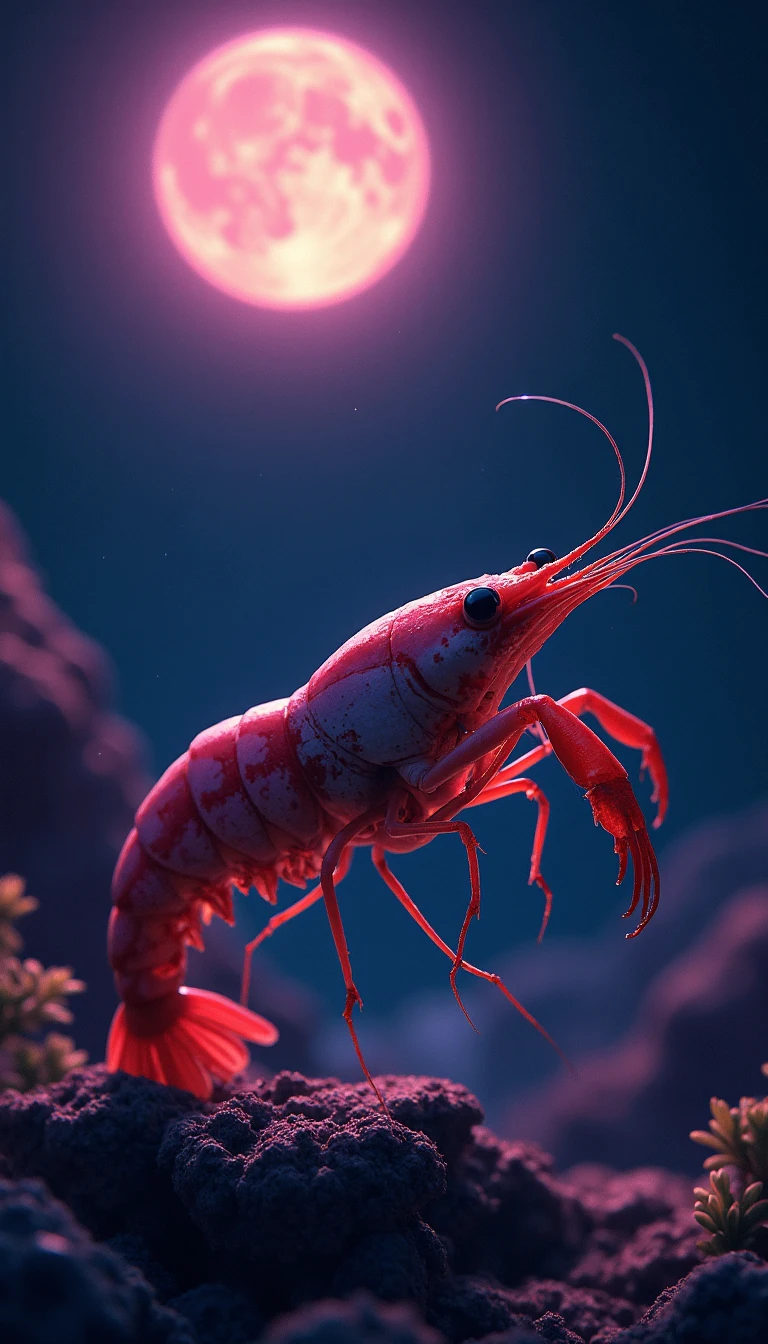
In short: These primitive crustaceans, including water fleas and fairy shrimp, have thrived since the Devonian period. By mastering the art of dormancy, they survive extreme environments that would kill most creatures. Some species can even bypass males entirely, cloning themselves until harsh conditions force a shift in their reproductive strategy.
Branchiopoda comprises roughly 800 species of aquatic crustaceans, ranging from the microscopic water flea to the 10-centimetre fairy shrimp Branchinecta gigas. Their evolutionary history is remarkably deep, with a fossil record stretching back to the Devonian period, between 416 million and 359.2 million years ago. Despite their diversity, they are unified by flattened, paddle-like trunk limbs often used for filter feeding.
These animals are masters of temporary habitats. Many species inhabit ephemeral pools that freeze solid in winter or dry up completely in summer. To survive, they produce resistant, dormant eggs capable of enduring years of desiccation or freezing. When environmental conditions improve, these eggs hatch into nauplius larvae or miniature adults, allowing the population to explode rapidly. In some desert pools, a cladoceran can mature and lay eggs in as little as two days.
Reproduction in branchiopods is highly flexible. Many species utilize parthenogenesis, where females produce offspring without fertilization. This allows for rapid colonization of favourable environments. However, when food becomes scarce or temperatures shift, some branchiopods switch to sexual reproduction. This produces fertilized, highly resilient eggs that serve as a biological insurance policy, ensuring the species persists through drought or winter until the next cycle of favourable conditions begins.
While most branchiopods are freshwater dwellers, their ecological impact is significant. They feed on bacteria and algae, serving as a vital food source for fish and birds. Their success is so profound that few freshwater bodies globally lack at least one species of anomopod. Whether in Arctic tundra pools or inland saline waters, these crustaceans demonstrate an extraordinary capacity to adapt to the most challenging aquatic niches on Earth.
Opens the Intellect+ feed with this card first. Swipe up for the next one.
Sources
- Summary by Intellect · source: Branchiopod | Anatomy, Habitat & Adaptations | Britannica
- Also: Branchiopoda
To cite this card, link to https://intellectplus.co.uk/app/nature-branchiopoda.
How we source, check and correct cards: Editorial standards.
General information, not professional advice. Spotted an error? Flag the card or see corrections and complaints.
Intellect Plus is a visual educational discovery platform for exploring fascinating facts and ideas. Brain Food, Not Brain Rot. What is Intellect Plus?
Related
More in Arthropods · More in Nature · Latest · A–Z · All topics
