Cuckoo bees are nature's master thieves, stealing nests and resources to raise their young.
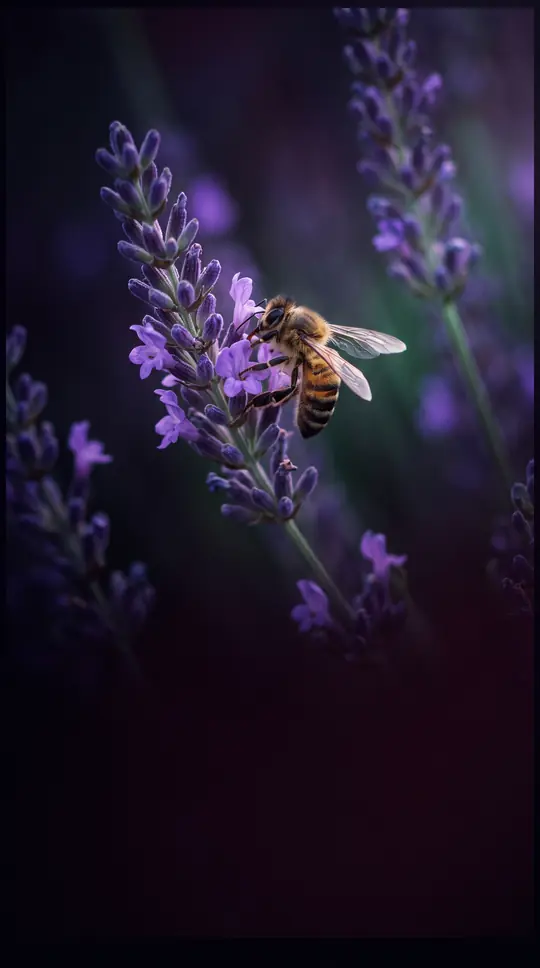
In short: Named for the bird that lays eggs in others' nests, cuckoo bees are solitary insects that practice brood parasitism. They do not build their own homes or collect pollen. Instead, they infiltrate the nests of other bees, ensuring their offspring are fed and raised by unsuspecting foster parents.
The term cuckoo bee describes more than 3,000 species that have evolved to rely on kleptoparasitism, a strategy where one animal steals resources or labor from another. Unlike typical bees, cuckoo bees lack the specialized structures needed to collect pollen, known as the scopa. Because they do not construct their own nests, they must rely on the hard work of host species to provide the sustenance and shelter required for their larvae to survive.
The mechanism of this parasitism is often ruthless. A female cuckoo bee enters a nest provisioned by a host bee and deposits her eggs. Once the cuckoo bee larva hatches, it consumes the pollen ball intended for the host's offspring. In many cases, the cuckoo larva will also kill and eat the host larva. This behavior is a classic example of Emery’s Rule, established in 1909 by entomologist Carlo Emery, which posits that kleptoparasitism most frequently occurs between closely related species.
While many cuckoo bees are solitary, some species exhibit more complex social parasitism. For instance, certain parasitic bumblebees in the subgenus Psithyrus infiltrate the nests of non-parasitic bumblebees. In these instances, the parasite may remain in the host nest, laying numerous eggs and occasionally killing the host queen to replace her. This evolutionary strategy has emerged independently across many lineages, particularly within the Apidae family, representing a significant portion of overall bee diversity.
The evolutionary pressure to steal rather than forage is a widespread phenomenon across the animal kingdom, from sperm whales stealing fish from commercial lines to hyenas raiding the kills of lions. For the cuckoo bee, however, this theft is a specialized, obligate lifestyle. By bypassing the energy-intensive processes of nest building and foraging, these bees have carved out a successful, albeit parasitic, niche in the natural world.
Opens the Intellect+ feed with this card first. Swipe up for the next one.
Sources
- Summary by Intellect · source: Cuckoo bee | Description, Parasitism, Life Cycle, Examples, & Facts | Britannica
- Also: Cuckoo bee
To cite this card, link to https://intellectplus.co.uk/app/nature-cuckoo-bee.
How we source, check and correct cards: Editorial standards.
General information, not professional advice. Spotted an error? Flag the card or see corrections and complaints.
Intellect Plus is a visual educational discovery platform for exploring fascinating facts and ideas. Brain Food, Not Brain Rot. What is Intellect Plus?
Related
More in Arthropods · More in Nature · Latest · A–Z · All topics
