The terrible beast with downward tusks that once roamed the ancient world
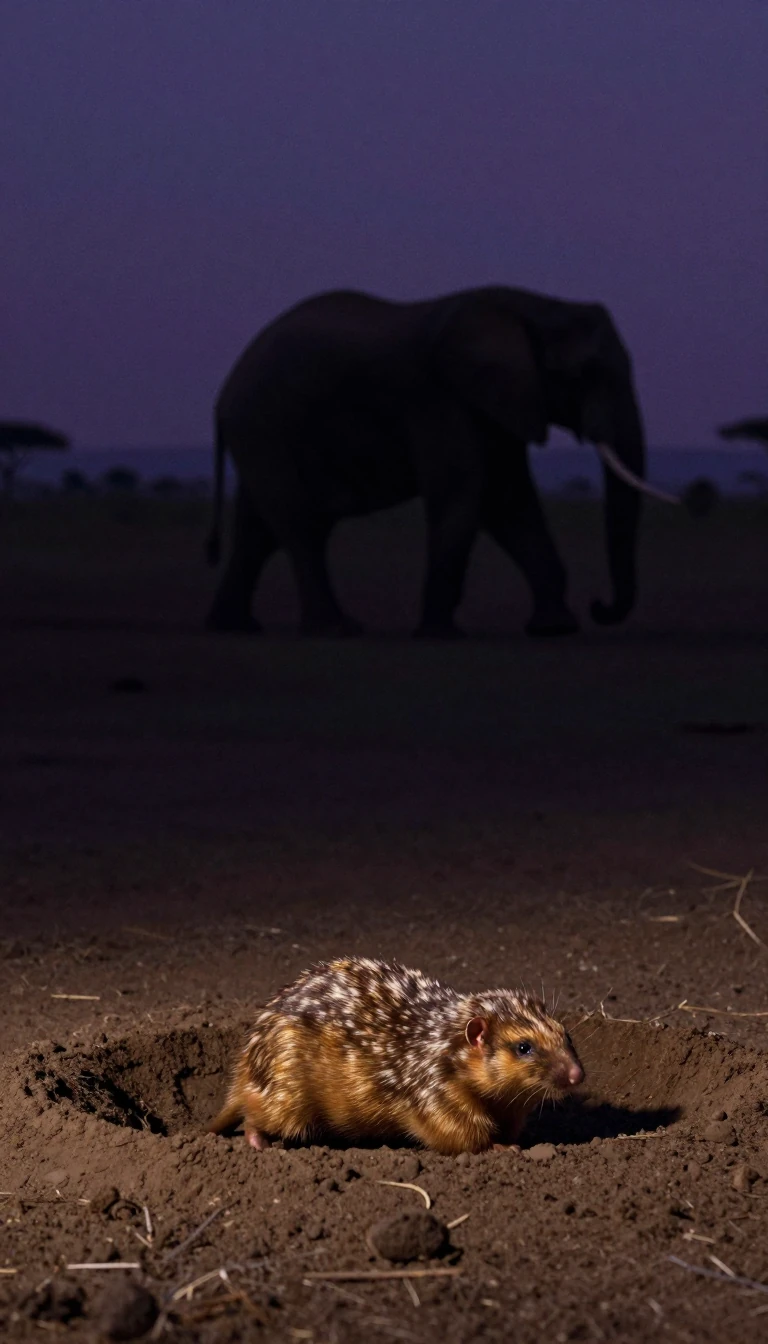
In short: Deinotheres were among the largest land mammals to ever walk the Earth, yet they remain overshadowed by their elephant cousins. Defined by a bizarre, downward-curving pair of tusks on their lower jaw, these giants dominated prehistoric landscapes for millions of years before vanishing during the early Pleistocene.
The Deinotheriidae family, whose name derives from the Greek for 'terrible beast,' represents a distinct evolutionary path within the order Proboscidea. Diverging from the ancestors of modern elephants over 40 million years ago, these creatures were characterized by a conservative body plan that changed little over time, save for a steady increase in sheer physical scale. Unlike true elephants, they lacked upper tusks entirely, relying instead on a unique lower jaw structure that curved downward and backward like a massive hook, which they used to strip vegetation from trees rather than to dig.
Their evolutionary history is marked by a clear succession of three genera: Chilgatherium, Prodeinotherium, and Deinotherium. The earliest known member, Chilgatherium harrisi, appeared in Ethiopia around 27 to 28 million years ago during the late Oligocene. By the early Miocene, their descendants had migrated into Eurasia, where they eventually evolved into the massive forms that defined the late Miocene. At their peak, these animals were the largest creatures on land, with some species reaching shoulder heights of over 4 metres and body masses of approximately 12 tonnes, significantly outweighing modern African bush elephants.
Deinotheres were specialized 'shearing browsers' that fed on soft forest vegetation. Their chewing mechanism, which involved vertical shearing rather than the lateral grinding seen in other proboscideans, suggests they were well-adapted to specific ecological niches. Despite their success, their numbers dwindled as climate patterns shifted. While the Asian species D. indicum went extinct about 7 million years ago, the African D. bozasi persisted until approximately 1 million years ago. Their eventual disappearance remains a mystery, marking the end of a lineage that had stood as the Earth's largest land animals for much of the Cenozoic era.
Opens the Intellect+ feed with this card first. Swipe up for the next one.
Sources
- Summary by Intellect · source: Deinotheriidae
To cite this card, link to https://intellectplus.co.uk/app/nature-deinotheriidae.
How we source, check and correct cards: Editorial standards.
General information, not professional advice. Spotted an error? Flag the card or see corrections and complaints.
Intellect Plus is a visual educational discovery platform for exploring fascinating facts and ideas. Brain Food, Not Brain Rot. What is Intellect Plus?
Related
More in Vertebrates · More in Nature · Latest · A–Z · All topics
