Were these massive, tusked prehistoric beasts actually the ancestors of modern pigs?
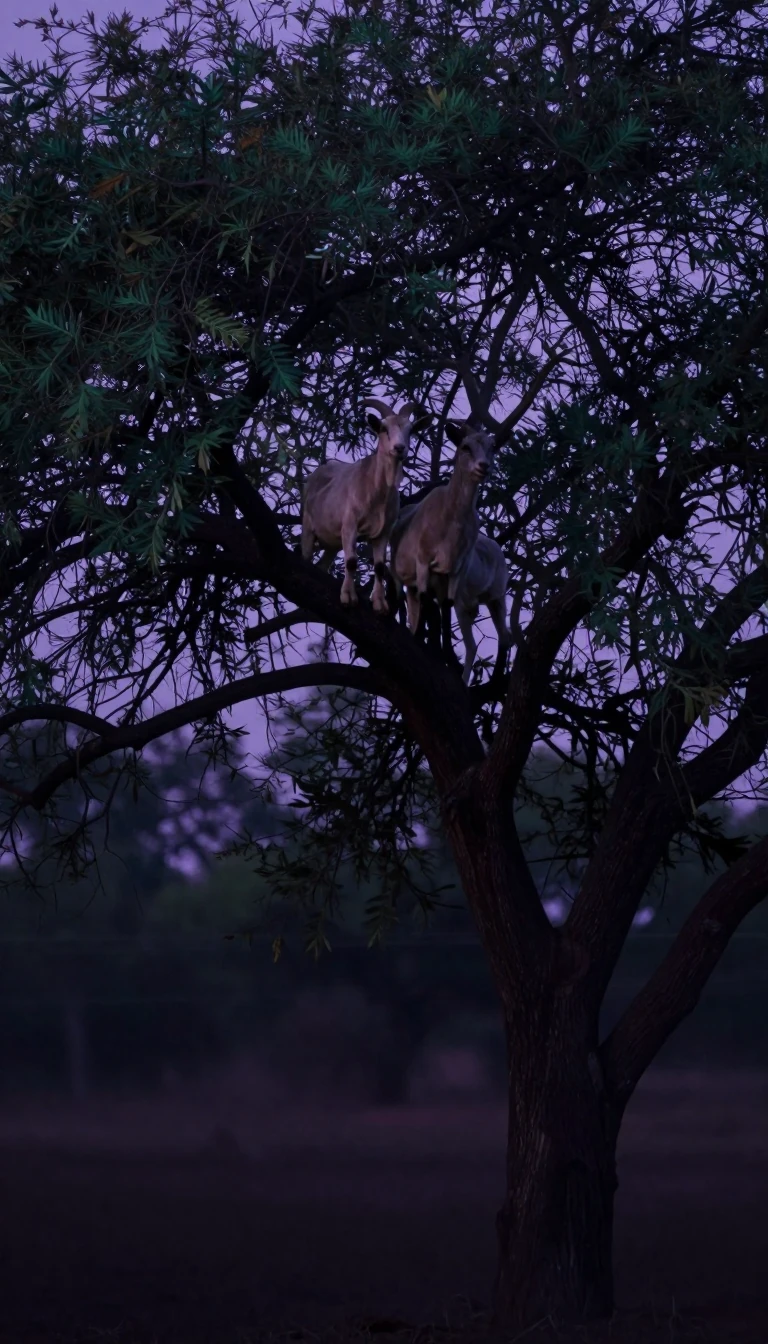
In short: Entelodonts were once dismissed as primitive, pig-like monsters roaming the Northern Hemisphere. While their terrifying skulls and massive frames suggest a carnivorous nightmare, the truth is more nuanced. Recent genetic evidence has upended their family tree, revealing they are far more closely related to hippos and whales than to swine.
Emerging in the Middle Eocene, roughly 49 to 37 million years ago, the Entelodontidae family dominated landscapes across Asia, Europe, and North America. These creatures ranged from the size of a large deer at 150 kg to the massive Dinohyus, which reached 900 kg—comparable to a Clydesdale horse. Their most striking features were the bony, tusklike projections on their skulls, which likely served to protect sensitive areas or anchor the powerful muscles required for a heavy-duty diet.
For decades, paleontologists classified entelodonts as close relatives of pigs, or suids, based on their superficial appearance and omnivorous habits. Their jaw structure, which allowed for crushing tough food and potentially bone, reinforced this pig-like comparison. However, modern molecular and morphological studies have challenged this traditional view. Researchers now suggest that entelodonts are actually cetancodontamorphs, placing them on an evolutionary lineage that links them to hippos and cetaceans rather than the ancestors of modern farm pigs.
The history of their discovery is marked by taxonomic confusion. In the 1840s, early fossils were described under conflicting names like Entelodon and Elotherium. While Entelodon eventually became the preferred term, the debate over priority persisted for years. By the time they went extinct during the early Miocene, between 19 and 16 million years ago, these animals had left behind a complex fossil record that continues to reshape our understanding of artiodactyl evolution. Today, they remain a fascinating example of how specialized, terrestrial runners can occupy an ecological niche that defies simple categorization.
Opens the Intellect+ feed with this card first. Swipe up for the next one.
Sources
- Summary by Intellect · source: Entelodont | Oligocene, Artiodactyls & Carnivorous | Britannica
- Also: Entelodontidae
To cite this card, link to https://intellectplus.co.uk/app/nature-entelodontidae.
How we source, check and correct cards: Editorial standards.
General information, not professional advice. Spotted an error? Flag the card or see corrections and complaints.
Intellect Plus is a visual educational discovery platform for exploring fascinating facts and ideas. Brain Food, Not Brain Rot. What is Intellect Plus?
Related
More in Vertebrates · More in Nature · Latest · A–Z · All topics
