The narrow neck of land that shapes global trade and biological migration
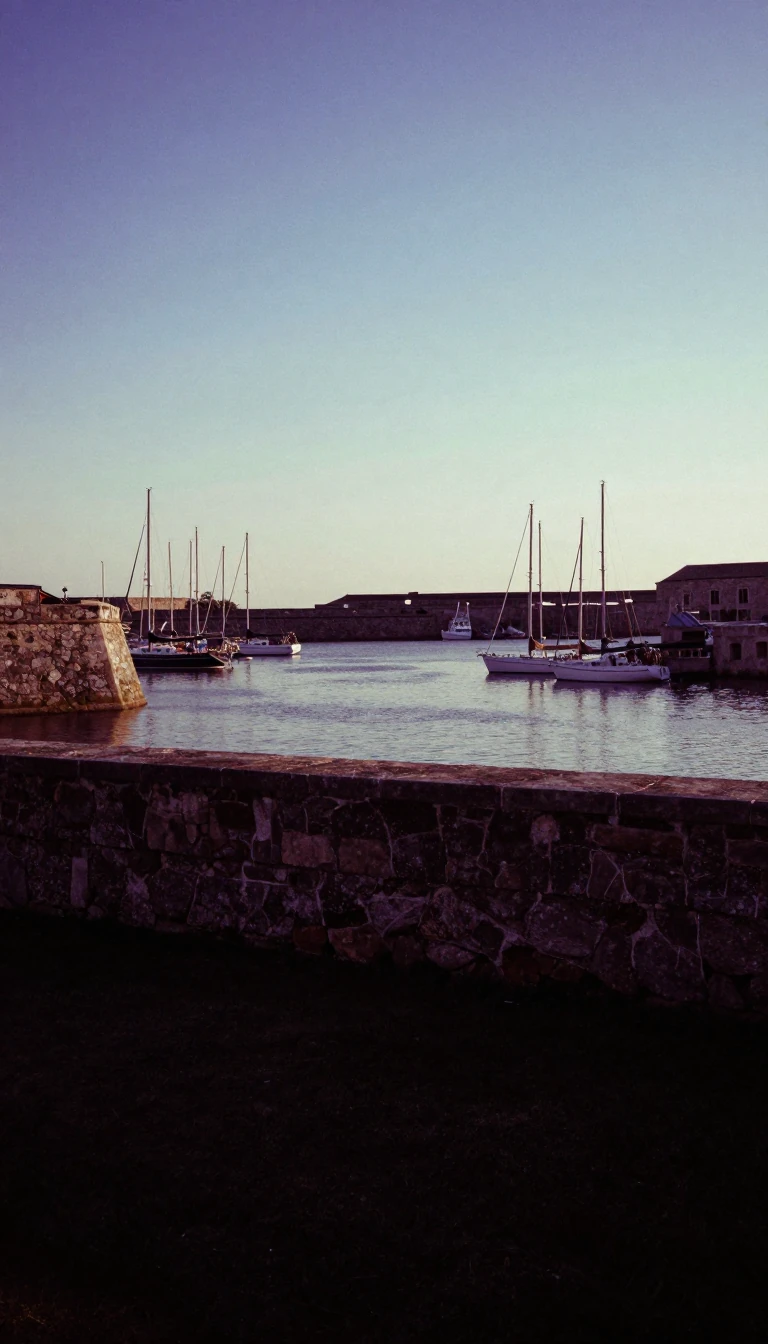
In short: An isthmus is a slender bridge of earth separating two vast bodies of water while linking two larger landmasses. These geographic bottlenecks have served as critical corridors for species migration throughout history and remain the most strategic locations for human-engineered shortcuts, fundamentally altering the flow of global maritime commerce.
Derived from the Ancient Greek word for neck, an isthmus acts as a terrestrial connector. While often confused with peninsulas, the distinction is clear: a peninsula is a protrusion attached to a larger landmass on only one side, whereas an isthmus serves as a link between two distinct, larger land areas. When these connections occur between major continental landmasses, they are frequently termed land bridges. These features have played a pivotal role in biogeology, providing essential pathways for the migration of humans, animals, and plants, with historical examples including Beringia and Doggerland.
The strategic value of an isthmus is perhaps best realized through human intervention. Because they represent the narrowest point between two oceans or seas, they are prime locations for the construction of canals. These artificial waterways, such as the Panama Canal or the Suez Canal, transform the isthmus into a vital shortcut for marine transport, effectively connecting bodies of water that would otherwise require long, arduous voyages to navigate around. Other notable examples include the Corinth Canal, which links the Ionian and Aegean Seas, and the Welland Canal, which bridges Lake Ontario and Lake Erie.
Beyond their role in trade, isthmuses support unique ecological niches. The narrow geography can isolate or concentrate populations, leading to the evolution of specialized species. For instance, the Tehuantepec Isthmus in Mexico is home to the venomous rattlesnake Crotalus ehecatl, while the Isthmus Caecilian, Caecilia isthmica, inhabits the moist forests of Colombia and Panama. Furthermore, these landforms are significant enough to host major urban centers; cities such as Auckland, Manila, Seattle, Madison, and Tampere are all situated on isthmuses, demonstrating how these narrow strips of land have shaped human settlement patterns as much as they have influenced global navigation.
While the term isthmus is broad, specific variations exist. A tombolo, for example, is a specialized type of isthmus formed by a spit or bar. Conversely, a strait serves as the marine counterpart, acting as a narrow passage of water between two landmasses. Understanding these geomorphological features is essential for grasping the physical constraints and opportunities that have defined both natural migration and the development of modern global infrastructure.
Opens the Intellect+ feed with this card first. Swipe up for the next one.
Sources
- Summary by Intellect · source: Isthmus
- Also: Tehuantepec Isthmus Neotropical Rattlesnake (Crotalus ehecatl)
To cite this card, link to https://intellectplus.co.uk/app/nature-isthmus.
How we source, check and correct cards: Editorial standards.
General information, not professional advice. Spotted an error? Flag the card or see corrections and complaints.
Intellect Plus is a visual educational discovery platform for exploring fascinating facts and ideas. Brain Food, Not Brain Rot. What is Intellect Plus?
Related
More in Geomorphology · More in Nature · Latest · A–Z · All topics
