The term minnow is a catch-all label for a vast, diverse group of fish.
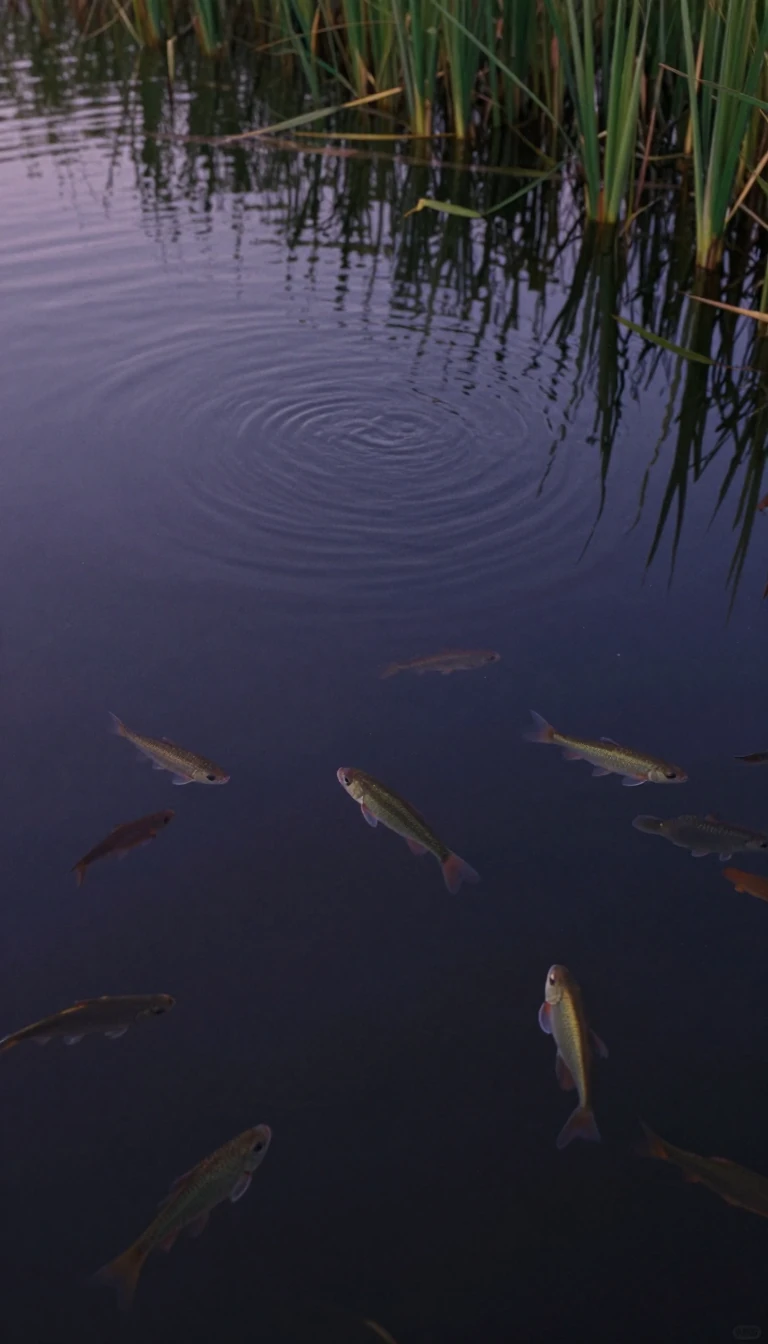
In short: While often dismissed as mere bait, minnows are a complex biological category. From the resilient bluntnose of North American streams to bioluminescent species in the deep ocean, these small fish demonstrate remarkable adaptability. Understanding them requires looking past the common name to the diverse genera that actually define them.
The label minnow is not a precise scientific classification but a common name applied to a wide array of small freshwater fish, primarily within the family Cyprinidae and the subfamily Leuciscinae. Anglers often reserve the term true minnow for smaller members of this subfamily, yet the name is used globally for species as varied as the Eurasian Phoxinus, the Anatolian Ladigesocypris, and the Maluti minnow of Lesotho. This linguistic flexibility means that even unrelated fish, such as the bioluminescent Cyclothone of the deep sea or the brackish-water mummichog, are frequently grouped under the same colloquial umbrella.
Adaptability is a hallmark of many species labeled as minnows. The bluntnose minnow, for instance, thrives across diverse North American regions due to its high tolerance for variable water quality. Similarly, the common emerald shiner is prized by fishermen in the Lake Erie region for its abundance. These fish are not merely passive inhabitants of their ecosystems; they exhibit sophisticated reproductive strategies. Research suggests that minnows are remarkably resilient to climatic shifts, often breeding with minimal rainfall and across broad temperature ranges. Their ability to maintain pre-spawning fitness allows them to avoid the reproductive failures that might otherwise occur during periods of environmental variability.
Beyond their ecological roles, minnows have long intersected with human activity. While they are most famously utilized as bait fish—with the common shiner and bluntnose minnow serving as staples for anglers—they have also historically served as a food source for some Native American cultures. Because of their small stature, they can be consumed whole. Whether they are being studied for their evolutionary resilience or harvested for sport and sustenance, minnows remain a vital, if often overlooked, component of aquatic biodiversity. Their capacity to survive in challenging, polluted, or fluctuating environments highlights a biological toughness that defies their modest reputation as simple, disposable bait.
Opens the Intellect+ feed with this card first. Swipe up for the next one.
Sources
- Summary by Intellect · source: Minnow
To cite this card, link to https://intellectplus.co.uk/app/nature-minnow.
How we source, check and correct cards: Editorial standards.
General information, not professional advice. Spotted an error? Flag the card or see corrections and complaints.
Intellect Plus is a visual educational discovery platform for exploring fascinating facts and ideas. Brain Food, Not Brain Rot. What is Intellect Plus?
Related
More in Vertebrates · More in Nature · Latest · A–Z · All topics
