The mysterious microsaurs were never actually reptiles, despite their name meaning small reptile.
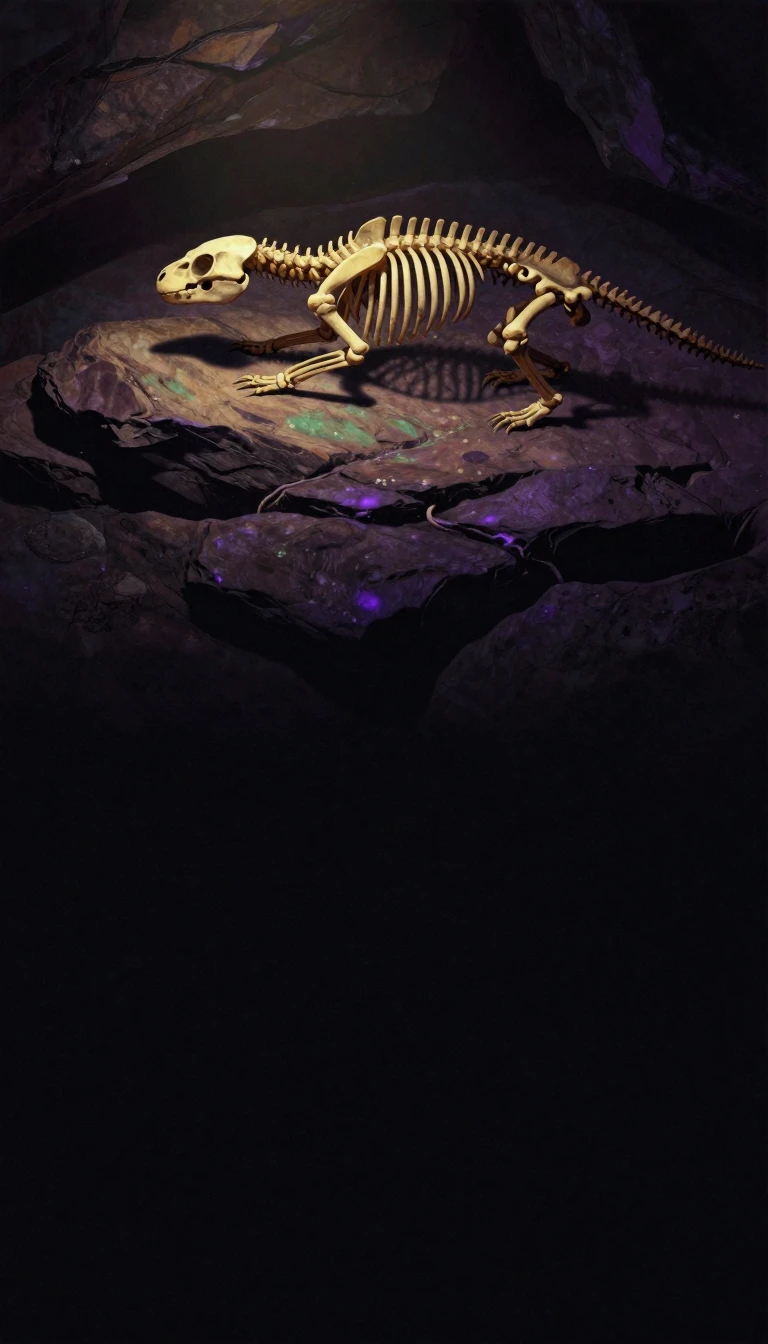
In short: Microsaurs were a diverse group of Paleozoic tetrapods that thrived across North America and Europe. Though once classified as reptiles due to their appearance, they are now understood as a complex, potentially non-monophyletic group of anamniotes. These creatures ranged from lizard-like terrestrial dwellers to specialized burrowers and aquatic specialists.
Microsaurs, whose name translates to 'small reptile,' were a diverse assemblage of Carboniferous and Permian tetrapods. Between the 1860s and 1950s, scientists grouped them with reptiles because of their morphology. However, modern analysis has shifted this view, recognizing them as anamniotes—a term used to avoid the assumptions associated with 'amphibian' classification. Some recent research even suggests that certain microsaur groups, specifically the recumbirostrans, may actually belong within the amniote lineage.
These animals were generally small, with most measuring under 30 centimeters in length, and some reaching adulthood at less than 12 centimeters. They lacked the otic notches found in other groups and typically possessed four fingers, though some aquatic species had only three. Unlike modern amphibians, there is no clear evidence that microsaurs underwent metamorphosis; their skeletal development appears to have been gradual, with limbs and pelvic girdles ossifying early in life.
The group’s ecology was remarkably varied. Some, like the long-bodied microbrachids, were aquatic, featuring lateral line canals and deep tail fins. Others, such as the recumbirostrans, were specialized for head-first burrowing, exhibiting adaptations that some researchers have compared to modern caecilians. Their diet likely consisted of insects and other small animals, with stouter-toothed varieties potentially consuming molluscs. While the group is traditionally associated with the Carboniferous and Permian periods, their exact evolutionary relationships remain a subject of active debate, with some experts questioning whether 'Microsauria' represents a single natural group at all.
Opens the Intellect+ feed with this card first. Swipe up for the next one.
Sources
- Summary by Intellect · source: The Microsaurs of Yore
- Also: Microsauria
To cite this card, link to https://intellectplus.co.uk/app/nature-microsauria.
How we source, check and correct cards: Editorial standards.
General information, not professional advice. Spotted an error? Flag the card or see corrections and complaints.
Intellect Plus is a visual educational discovery platform for exploring fascinating facts and ideas. Brain Food, Not Brain Rot. What is Intellect Plus?
Related
More in Vertebrates · More in Nature · Latest · A–Z · All topics
