Beneath the twilight: exploring the vast, dark, and pressurized world of the aphotic zone
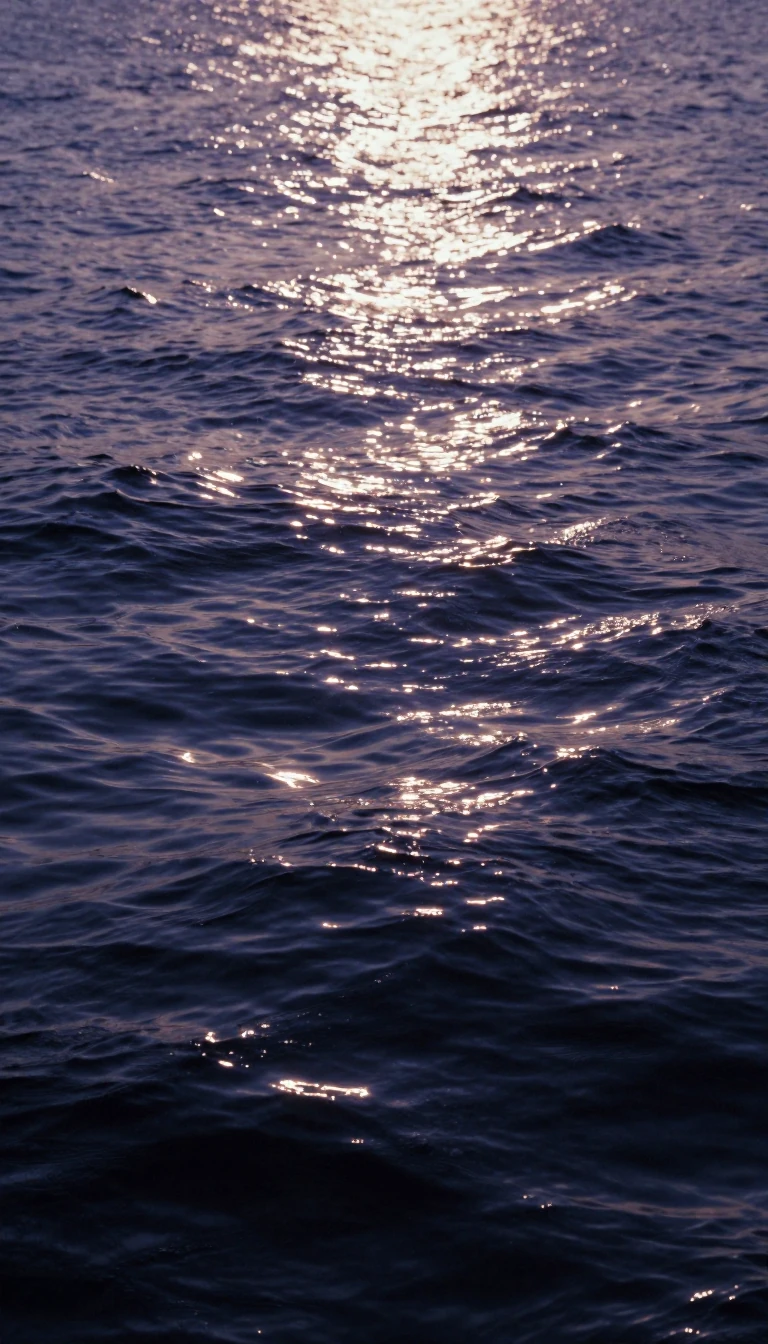
In short: The ocean is not just the surface we see. Below 1,000 meters lies the aphotic zone, a realm of perpetual darkness where sunlight never reaches. Despite the absence of photosynthesis, this massive, high-pressure environment sustains unique life forms, from giant squid to specialized microorganisms, all thriving in the deep.
The ocean is categorized by light penetration, with the euphotic zone extending to 200 meters and the dysphotic, or twilight, zone reaching down to 1,000 meters. Beyond this threshold, the aphotic zone begins. In this region, light is entirely absent, rendering photosynthesis impossible. Because primary production cannot occur, the ecosystem relies heavily on organic material—dead organisms—sinking from the sunlit layers above. This region is sometimes called the tropholytic zone, as the consumption of energy consistently exceeds its production.
The aphotic zone is vast, encompassing the majority of the ocean's total volume. It is further subdivided based on depth: the bathypelagic zone (1,000 to 4,000 meters), the abyssopelagic zone (4,000 to 6,000 meters), and the hadopelagic zone, which includes everything deeper than 6,000 meters. Creatures inhabiting these depths have evolved remarkable adaptations to survive in extreme conditions, including high hydrostatic pressure, near-freezing temperatures, and total darkness. Many species utilize bioluminescence to navigate or attract prey in the void.
While the aphotic zone is defined by its lack of light, it is not entirely isolated from the surface. Some marine animals, such as sperm whales and southern elephant seals, dive into these depths to hunt. Furthermore, a massive daily migration occurs where organisms like copepods and invertebrate larvae move upward to the surface at night to feed, representing the largest routine migration on Earth. This constant exchange highlights that the deep ocean is a dynamic, interconnected environment rather than a static, lifeless abyss.
Opens the Intellect+ feed with this card first. Swipe up for the next one.
Sources
- Summary by Intellect · source: How far does light travel in the ocean?
- Also: Aphotic zone | oceanography | Britannica
- Also: Aphotic zone
To cite this card, link to https://intellectplus.co.uk/app/nature-aphotic-zone.
How we source, check and correct cards: Editorial standards.
General information, not professional advice. Spotted an error? Flag the card or see corrections and complaints.
Intellect Plus is a visual educational discovery platform for exploring fascinating facts and ideas. Brain Food, Not Brain Rot. What is Intellect Plus?
Related
More in Water · More in Nature · Latest · A–Z · All topics
