The robust cousins of early humans were built for a life of heavy chewing
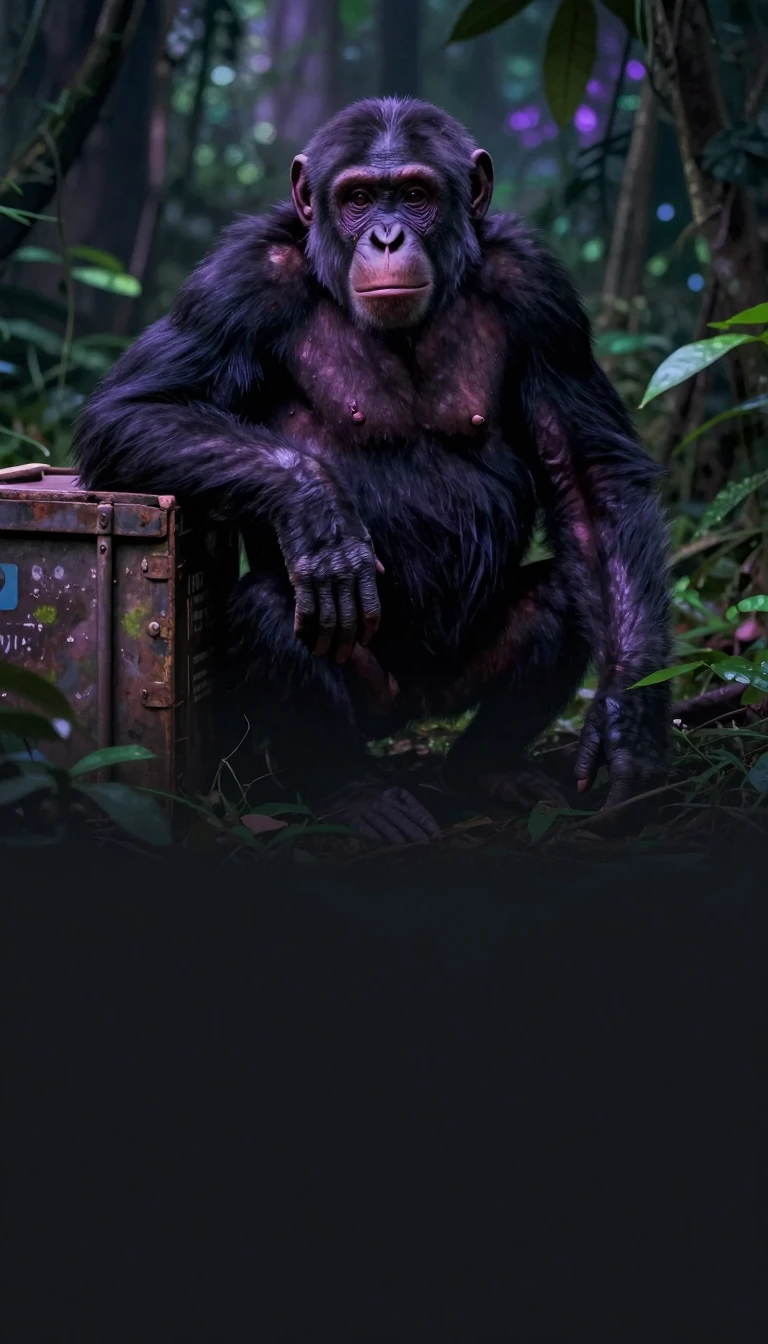
In short: Known as the robust australopithecines, Paranthropus robustus thrived in southern Africa millions of years ago. With their massive jaws, flaring cheekbones, and prominent sagittal crests, these hominins were specialized for powerful mastication. While they share our family tree, they were not our direct ancestors, but rather distant evolutionary cousins.
First discovered in 1938 by a schoolboy at the Kromdraai site in South Africa, Paranthropus robustus was formally described by paleontologist Robert Broom. The genus name, derived from Greek, signifies being beside or near man, reflecting the species' status as a distinct branch of the hominin lineage. While some researchers group them within the genus Australopithecus, others maintain that their unique physical adaptations warrant a separate genus, Paranthropus.
The defining features of P. robustus include a heavily built skull, a broad face with flaring cheekbones, and exceptionally large molar and premolar teeth. These adaptations supported a powerful chewing apparatus, likely used to process tough, fibrous foods like roots, tubers, and savanna plants. Males were significantly larger than females, exhibiting marked sexual dimorphism in both body size and cranial structure, such as the presence of a sagittal crest for muscle attachment.
Living between approximately 1.0 and 2.3 million years ago, these hominins inhabited a landscape shared with other early species. Their remains have been excavated from several South African cave sites, most notably Swartkrans and Kromdraai. Because these fossils are often found in cave layers disturbed by erosion and sediment, establishing precise dates has historically proven difficult for researchers. Their eventual extinction remains a subject of scientific inquiry, potentially linked to shifting environmental conditions.
Whether Paranthropus represents a valid, monophyletic group or is simply a collection of similar-looking hominins resulting from convergent evolution remains a point of debate. Regardless, P. robustus offers a vital perspective on the diversity of early hominins. They were not direct human ancestors but lived alongside them, representing a specialized evolutionary experiment in survival that lasted for over a million years.
Opens the Intellect+ feed with this card first. Swipe up for the next one.
Sources
- Summary by Intellect · source: Paranthropus genus
- Also: Paranthropus robustus | fossil primate | Britannica
- Also: Paranthropus robustus
To cite this card, link to https://intellectplus.co.uk/app/nature-paranthropus-robustus.
How we source, check and correct cards: Editorial standards.
General information, not professional advice. Spotted an error? Flag the card or see corrections and complaints.
Intellect Plus is a visual educational discovery platform for exploring fascinating facts and ideas. Brain Food, Not Brain Rot. What is Intellect Plus?
Related
More in Vertebrates · More in Nature · Latest · A–Z · All topics
