The mysterious extinct arachnids that once thrived in ancient coal-forming forests
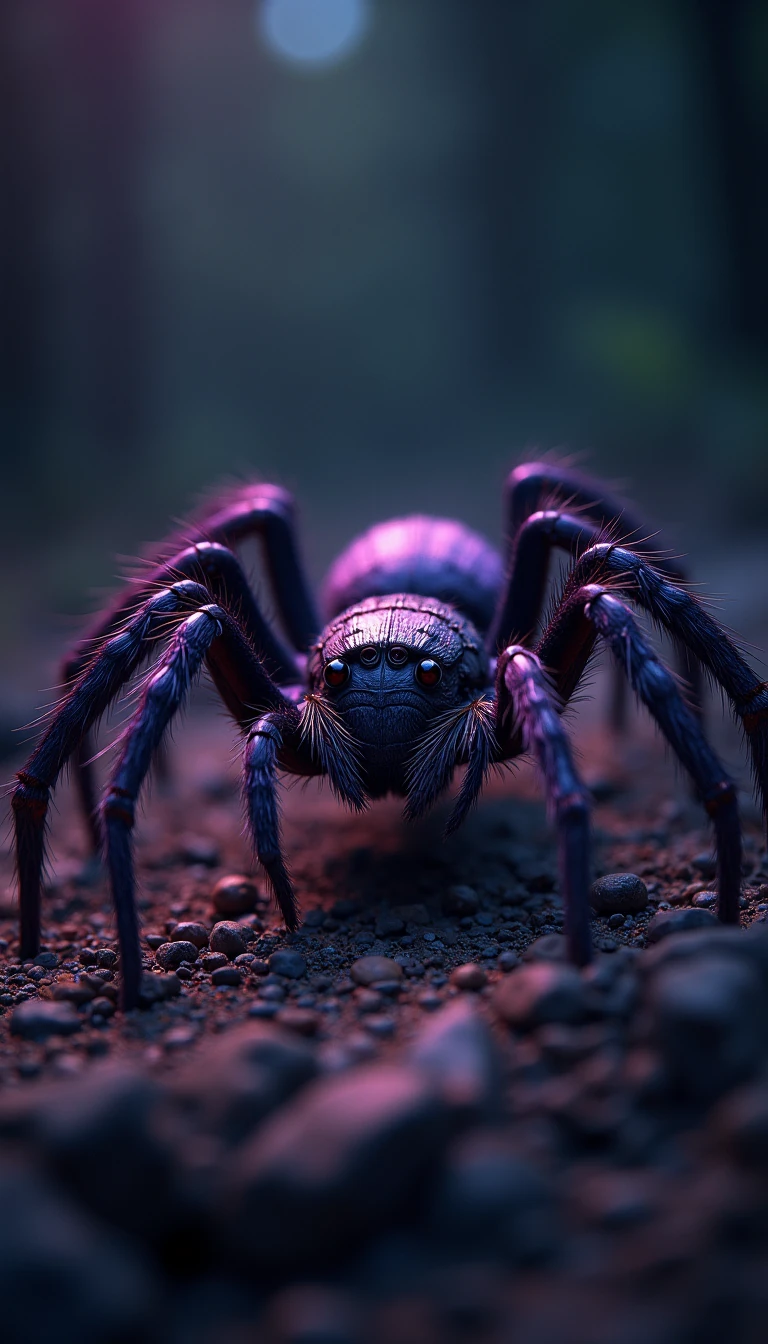
In short: Phalangiotarbida were a successful order of arachnids that vanished millions of years ago. Though they left behind a rich fossil record in coal measures across Europe and North America, their exact place on the evolutionary tree remains a subject of intense scientific debate among researchers today.
First appearing in the Early Devonian of Germany, the Phalangiotarbida order reached its peak distribution during the Upper Carboniferous period. These creatures were particularly common in the coal measures of Europe and North America, environments that preserved their remains for modern study. Their existence persisted until the early Permian, with the final known species appearing in the Rotliegend deposits of Germany.
Determining the precise evolutionary relationships of these arachnids has proven difficult. Historically, many researchers suggested they were closely related to harvestmen or mites and ticks. However, the classification remains obscure. A more recent proposal, put forward in 2004, suggests that Phalangiotarbida might actually be a sister group to the combined lineage of Palpigradi and Tetrapulmonata, a grouping known as Megoperculata.
The study of these fossils is further complicated by past misidentifications. For instance, Nemastomoides depressus was originally described as a member of the harvestman family Nemastomoididae, but it has since been identified as a poorly preserved phalangiotarbid. This correction highlights the challenges paleontologists face when interpreting ancient arachnid specimens, as the morphological features required for accurate classification are often difficult to discern in the fossilized remains.
The taxonomy of the order is extensive, with various families and genera identified over the last century, including Anthracotarbidae, Heterotarbidae, and Opiliotarbidae. Researchers like Alexander I. Petrunkevitch and others have contributed significantly to cataloging these species, such as Architarbus rotundatus and Ootarbus pulcher. Despite this detailed documentation, the true nature of their biological connections continues to be a puzzle, illustrating the complex and often shifting landscape of arachnid evolutionary history.
Opens the Intellect+ feed with this card first. Swipe up for the next one.
Sources
- Summary by Intellect · source: Phalangiotarbida
To cite this card, link to https://intellectplus.co.uk/app/nature-phalangiotarbida.
How we source, check and correct cards: Editorial standards.
General information, not professional advice. Spotted an error? Flag the card or see corrections and complaints.
Intellect Plus is a visual educational discovery platform for exploring fascinating facts and ideas. Brain Food, Not Brain Rot. What is Intellect Plus?
Related
More in Arthropods · More in Nature · Latest · A–Z · All topics
