Why the boxer shrimp is not actually a shrimp in the traditional sense
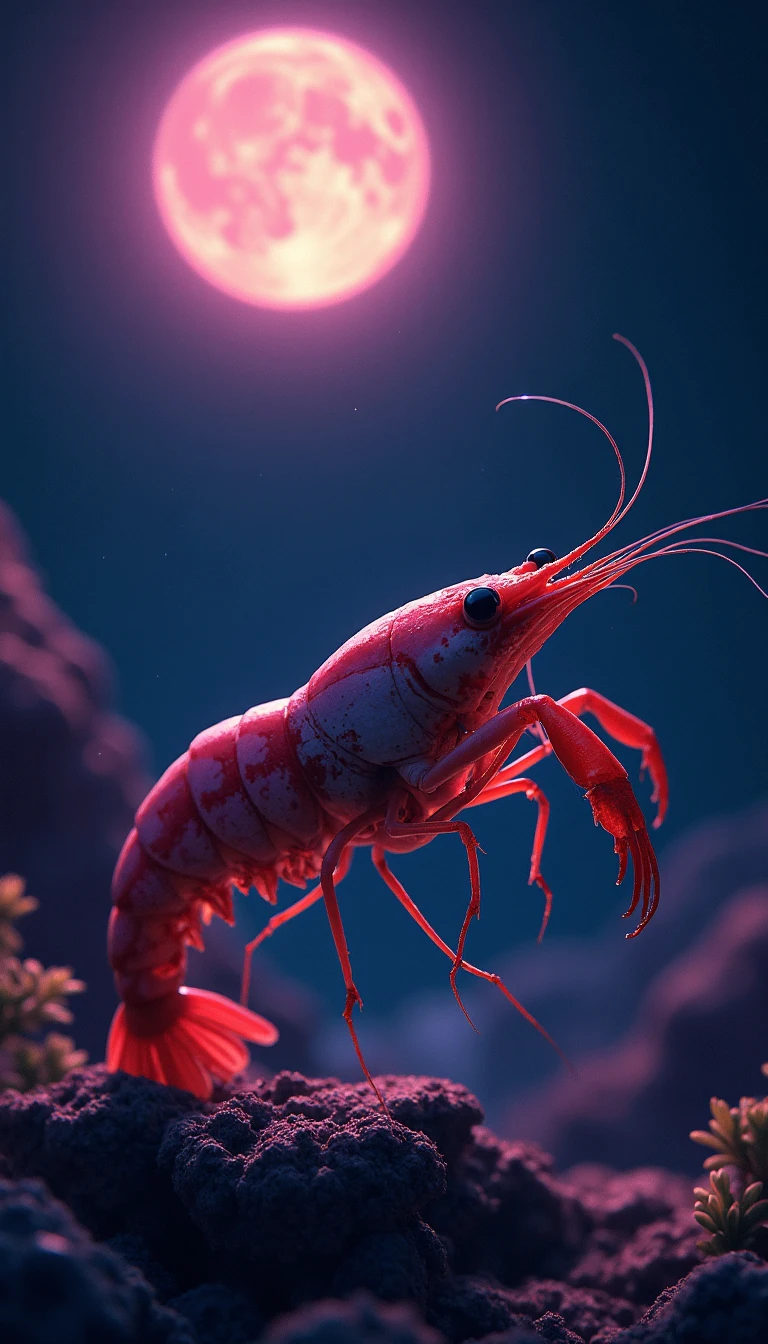
In short: Often mistaken for common prawns or shrimp, the boxer shrimp belongs to a distinct group known as Stenopodidea. While they share the order Decapoda with their lookalikes, these crustaceans possess unique physical traits and reproductive habits that set them apart from other shrimp-like creatures found in our oceans today.
The Stenopodidea, commonly referred to as boxer shrimps, represent a specialized infraorder within the decapod crustaceans. Although they are frequently confused with Caridea shrimp or Dendrobranchiata prawns, they occupy a separate evolutionary branch. Their classification is confirmed by specific anatomical differences; for instance, unlike Dendrobranchiata prawns, Stenopodidea lack branching gills. Furthermore, they exhibit a distinct reproductive strategy by brooding their eggs rather than releasing them directly into the water column, a behavior that highlights their unique biological niche.
Physical identification of these creatures is often centered on their third pair of legs, which are significantly enlarged compared to those of Caridea shrimp. This morphological feature serves as a primary diagnostic tool for researchers. Genetic and phylogenetic studies, such as the 2019 analysis by Wolfe et al., place Stenopodidea within the order Decapoda, identifying their closest relatives as the infraorders Caridea and Procarididea. This lineage reveals a complex evolutionary history that spans millions of years, distinguishing them from the more common shrimp varieties encountered in marine environments.
The current diversity of the group includes 71 recognized extant species distributed across 12 genera. The fossil record provides further insight into their ancient origins, with three fossil species currently documented. The earliest known member, Devonostenopus pennsylvaniensis, dates back to the Devonian period, marking a significant discovery that predates the previously held oldest record, Jilinicaris chinensis from the Late Cretaceous. These findings underscore the long-standing presence of Stenopodidea in the fossil record, even as researchers continue to refine the classification of families like Macromaxillocarididae, established by Alvarez, Iliffe, and Villalobos in 2006, and genera such as Paraspongicola, described by De Saint Laurent and Cléva in 1981.
Opens the Intellect+ feed with this card first. Swipe up for the next one.
Sources
- Summary by Intellect · source: Stenopodidea
To cite this card, link to https://intellectplus.co.uk/app/nature-stenopodidea.
How we source, check and correct cards: Editorial standards.
General information, not professional advice. Spotted an error? Flag the card or see corrections and complaints.
Intellect Plus is a visual educational discovery platform for exploring fascinating facts and ideas. Brain Food, Not Brain Rot. What is Intellect Plus?
Related
More in Arthropods · More in Nature · Latest · A–Z · All topics
