How rainwater and acid slowly carve the world's most expansive underground labyrinths
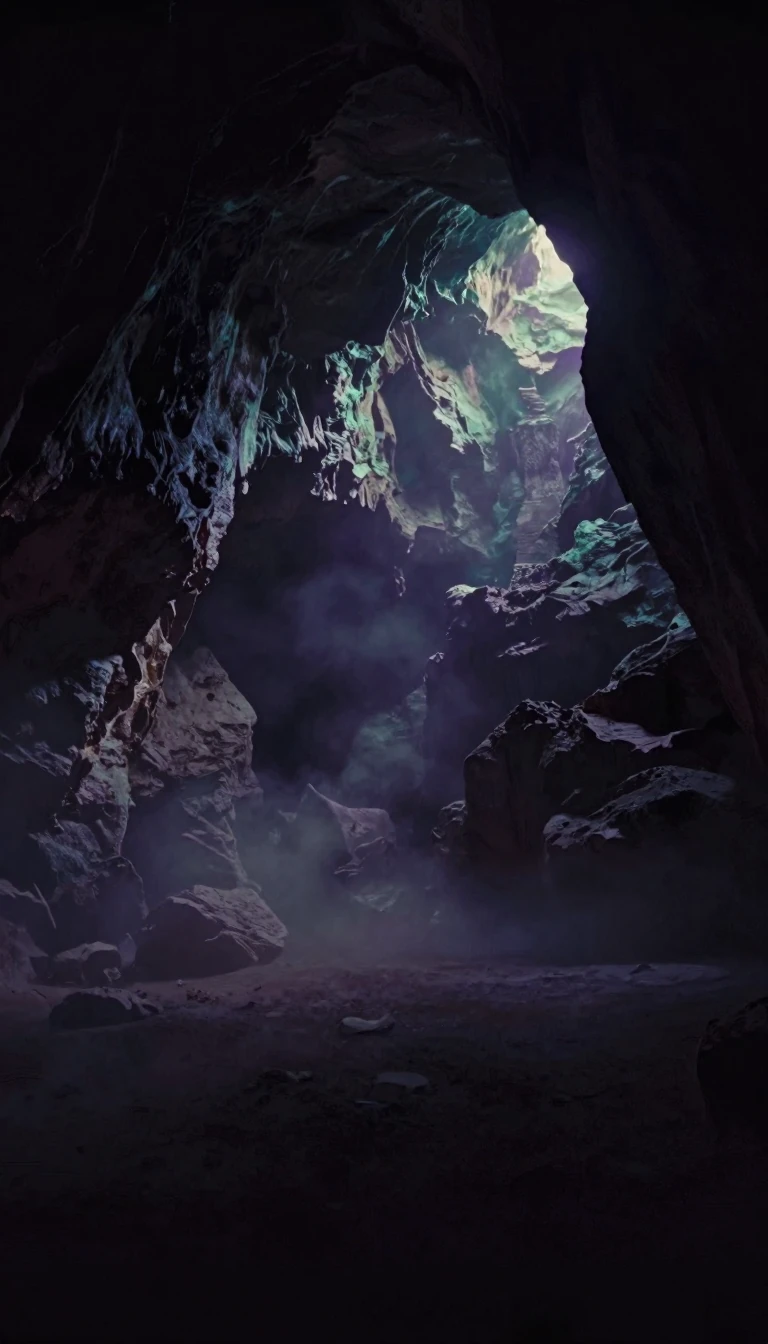
In short: Most of the world's caves are not hollowed out by rushing rivers, but by the slow, chemical dissolution of rock. Rainwater and groundwater, charged with weak acids, seep through bedrock to create vast, intricate systems. These solutional caves evolve over millions of years, turning solid stone into complex subterranean landscapes.
The formation of a solutional cave begins when water, enriched with carbonic acid from decaying vegetation or atmospheric carbon dioxide, percolates through fractures in soluble rock. While limestone—composed primarily of calcium carbonate—is the most common host for these caves, they can also emerge in dolomite, marble, gypsum, and salt. As this acidic water travels through bedding planes and joints, it chemically dissolves the surrounding bedrock, gradually widening narrow fissures into expansive passages and caverns.
This process creates a distinctive topography known as karst, marked by sinkholes and underground drainage systems. Over geological timescales, these caves undergo a lifecycle of initiation, enlargement, and eventual decay. In many limestone systems, the dissolution process leaves behind secondary mineral deposits called speleothems, such as stalactites and flowstones, which form through slow precipitation. When these cave roofs lose structural integrity, they may collapse, creating large surface depressions known as dolines.
While most solutional caves are shaped by water percolating from the surface, some form through a more aggressive mechanism. In sites like Lechuguilla Cave and Carlsbad Caverns, hydrogen sulfide gas rising from deep petroleum reservoirs mixes with groundwater to create sulfuric acid. This acid attacks the limestone from below, creating unique cave structures. Other rare variations include gypsum karst, such as the Optymistychna Cave in Ukraine, which stretches 232 km. These environments, whether carved by carbonic or sulfuric acid, remain transient features of the Earth's crust, constantly evolving through chemical action.
Opens the Intellect+ feed with this card first. Swipe up for the next one.
Sources
- Summary by Intellect · source: Solutional cave
- Also: Solution cave | geology | Britannica
To cite this card, link to https://intellectplus.co.uk/app/nature-solutional-cave.
How we source, check and correct cards: Editorial standards.
General information, not professional advice. Spotted an error? Flag the card or see corrections and complaints.
Intellect Plus is a visual educational discovery platform for exploring fascinating facts and ideas. Brain Food, Not Brain Rot. What is Intellect Plus?
Related
More in Geomorphology · More in Nature · Latest · A–Z · All topics
