Why rivers are changing: how warming and urbanization rewrite the flow of water
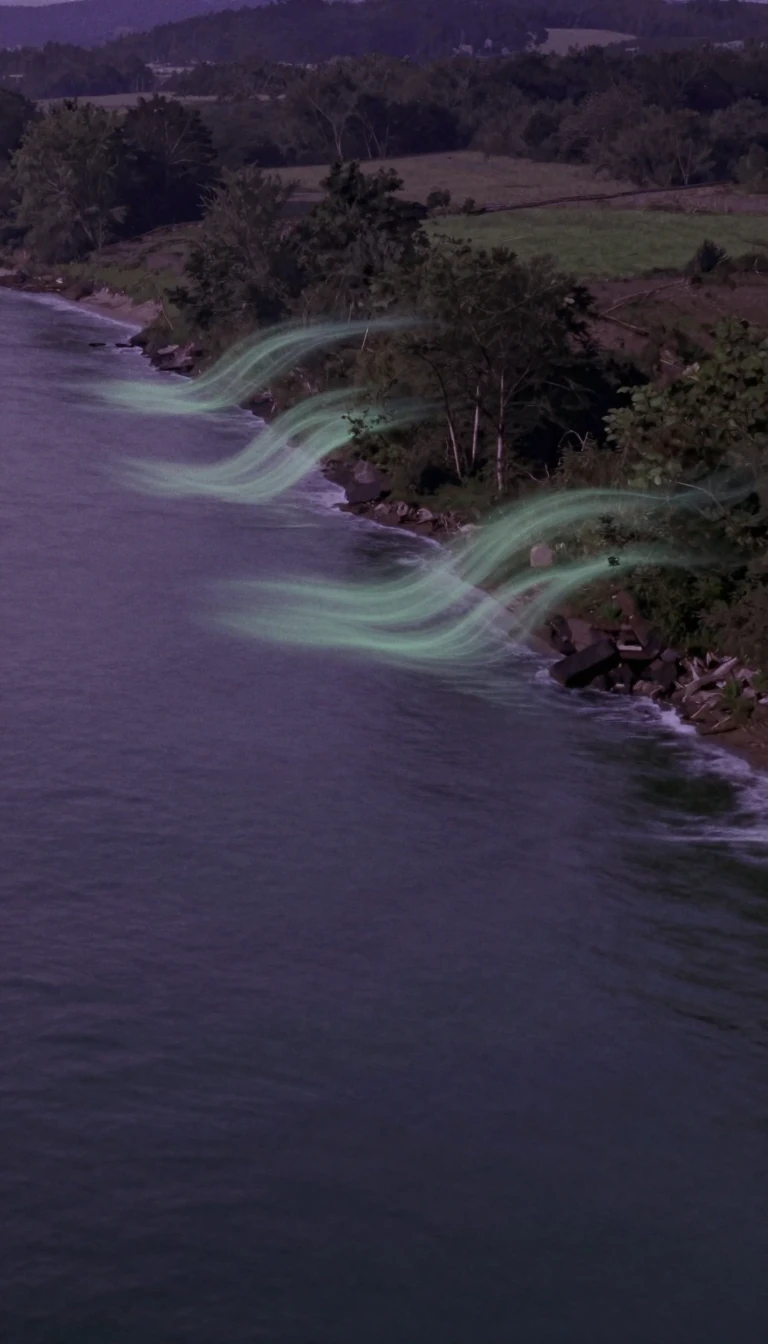
In short: Streamflow is the lifeblood of our planet, moving water from land to oceans. Yet, this vital process is shifting under the weight of human activity and a warming climate. From urban concrete to advanced AI forecasting, understanding how rivers move is essential for managing our most precious, volatile resource.
Streamflow, or channel runoff, is the movement of water through streams, serving as a primary mechanism for transporting water from land to oceans or interior basins. This flow is derived from four distinct sources: channel precipitation, overland flow, interflow, and groundwater. While channel precipitation—moisture falling directly onto the water surface—adds little to total discharge, groundwater provides a steady baseflow that sustains streams during dry periods. In forested regions, interflow, where water moves laterally through soil horizons above the water table, is a critical contributor to discharge.
Human intervention and environmental changes are fundamentally altering these patterns. Urbanization, for instance, replaces absorbent soil and vegetation with impermeable surfaces like street gutters and storm sewers, which route overland flow into channels almost instantly. This rapid response time can lead to sudden, dangerous discharge spikes. Simultaneously, climate change is disrupting historical norms. Research from the DRI, covering over 500 watersheds in the USA, indicates that rising winter temperatures are causing more extreme fluctuations in streamflow. Watersheds that historically relied on slow-melting snowpack are now receiving more precipitation as rain, leading to quick, intense surges rather than sustained seasonal flows.
Managing these dynamics requires sophisticated tools. While traditional methods like the unit hydrograph help forecast discharge based on specific rainstorms, they struggle in large, complex basins where rainfall is uneven. Today, artificial intelligence, particularly Long Short-Term Memory (LSTM) networks, is proving superior to conventional physics-based models for daily and long-term flow predictions. These models excel at processing complex, nonlinear time-series data, offering a more accurate way to anticipate flooding events like the record-breaking 1993 Mississippi River flood. As we face increasing environmental instability, these technological advancements are becoming as vital as the rivers themselves in protecting our communities and ecosystems.
Opens the Intellect+ feed with this card first. Swipe up for the next one.
Sources
- Summary by Intellect · source: Streamflow
To cite this card, link to https://intellectplus.co.uk/app/nature-streamflow.
How we source, check and correct cards: Editorial standards.
General information, not professional advice. Spotted an error? Flag the card or see corrections and complaints.
Intellect Plus is a visual educational discovery platform for exploring fascinating facts and ideas. Brain Food, Not Brain Rot. What is Intellect Plus?
Related
More in Water · More in Nature · Latest · A–Z · All topics
