Why are underground lakes so rare compared to surface bodies of water?
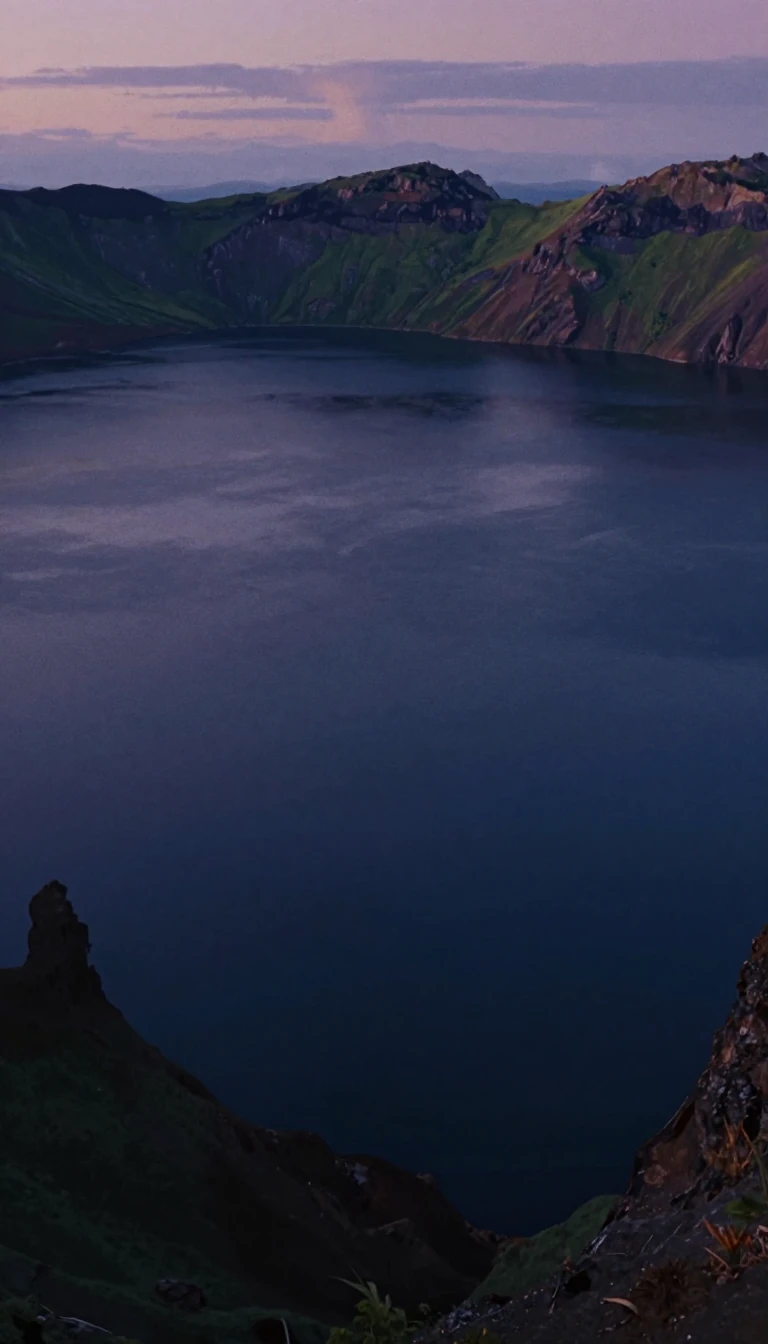
In short: Most of the water beneath our feet is trapped in aquifers, not open pools. Underground lakes are uncommon hydrogeological features that require specific conditions to exist. They form primarily in karst landscapes where soluble rock has weathered away, creating the cavernous voids necessary to hold a body of water.
The scarcity of underground lakes is largely a matter of physics and pressure. Near the surface, gravity pulls water into low points, allowing it to pool into lakes. However, as water descends deeper into the Earth, the pressure increases significantly. Once water crosses the boundary known as the water table, it enters the saturated zone. In this environment, the pressure is sufficient to force water into the surrounding soil and rock, forming aquifers rather than open, standing bodies of water.
For a true underground lake to exist, the geological environment must be unique. Karst topography is the most common setting, where limestone or other soluble rocks have been eroded to create large, open caverns. These voids act as containers that can catch and hold surface water that finds its way underground through natural openings. Because the scientific definition of what constitutes a 'lake' versus a 'pond' remains imprecise, these subterranean features are categorized based on their depth and exposed surface area.
While natural processes create these hidden reservoirs, human activity can also produce them. The flooding of abandoned mines, such as the slate mines at Blaenau Ffestiniog in Wales or the salt mine in Hallein, Austria, has resulted in the creation of artificial underground lakes. These man-made sites contrast with natural wonders like Dragon's Breath Cave in Namibia, which holds the title for the world's largest underground lake at nearly 2 hectares, or The Lost Sea in Tennessee, which spans 1.8 hectares.
Understanding these formations is essential for grasping how groundwater behaves. Whether they are natural karst caverns or flooded industrial sites, these lakes represent a rare departure from the standard behavior of subterranean water. They offer a glimpse into the complex, often hidden, hydrogeological systems that exist beneath the Earth's surface, far removed from the sunlight and atmospheric conditions that define our typical experience of water bodies.
Opens the Intellect+ feed with this card first. Swipe up for the next one.
Sources
- Summary by Intellect · source: Underground lake
To cite this card, link to https://intellectplus.co.uk/app/nature-underground-lake.
How we source, check and correct cards: Editorial standards.
General information, not professional advice. Spotted an error? Flag the card or see corrections and complaints.
Intellect Plus is a visual educational discovery platform for exploring fascinating facts and ideas. Brain Food, Not Brain Rot. What is Intellect Plus?
Related
More in Water · More in Nature · Latest · A–Z · All topics
