Why rivers are never just one stream but a complex, branching family tree
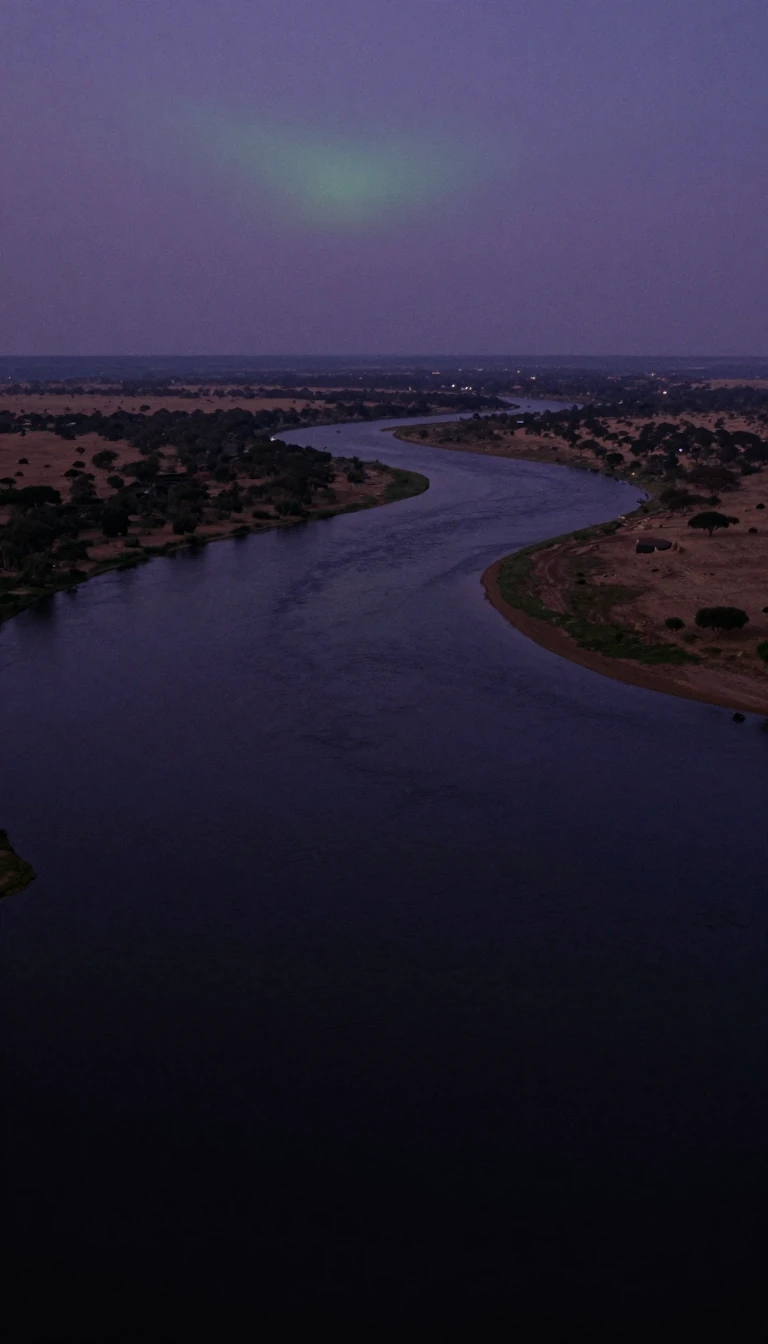
In short: A tributary is more than just a side stream; it is a vital component of a drainage basin, feeding water into a main stem. From the massive volume of the Madeira to the navigational logic of left and right banks, these rivers define how we chart and understand our landscapes.
At its simplest, a tributary is a stream that flows into a larger body of water, such as a main stem river or a lake, rather than directly into the ocean. Together, these tributaries and their parent rivers form a drainage basin, collecting surface and groundwater to transport it toward an endorheic basin or the sea. While a tributary adds volume to a river, its opposite, a distributary, branches away from the main stream, a phenomenon most commonly observed in river deltas.
The scale of these systems can be immense. The Irtysh holds the record for the longest tributary in the world, stretching 4,248 kilometers, while the Madeira River claims the title for the greatest volume, with an average discharge of 31,200 cubic meters per second. To navigate these systems, geographers use specific terminology: tributaries are classified as early or late depending on whether they join the main stem before or after its midpoint. Furthermore, their orientation is determined by looking downstream; a right-bank tributary enters from the right side as one faces the direction of the current.
Naming conventions often reveal the history of human exploration. In the United States, tributaries sharing a name with the main river are called forks, often distinguished by compass direction or relative size. This reflects how explorers encountered rivers: those arriving from the sea named streams as they moved upstream, treating each junction as a fork. Conversely, those living along the banks named rivers as they encountered them while traveling downstream. Today, scientists use hierarchical methods like the Strahler stream order to categorize these networks, organizing them from first-order streams up to complex, higher-order systems that define the architecture of our planet's water cycle.
Opens the Intellect+ feed with this card first. Swipe up for the next one.
Sources
- Summary by Intellect · source: Tributary
To cite this card, link to https://intellectplus.co.uk/app/nature-tributary.
How we source, check and correct cards: Editorial standards.
General information, not professional advice. Spotted an error? Flag the card or see corrections and complaints.
Intellect Plus is a visual educational discovery platform for exploring fascinating facts and ideas. Brain Food, Not Brain Rot. What is Intellect Plus?
Related
More in Water · More in Nature · Latest · A–Z · All topics
