Typhoon Mangkhut was a catastrophic force that reshaped the landscape of the Pacific in 2018.
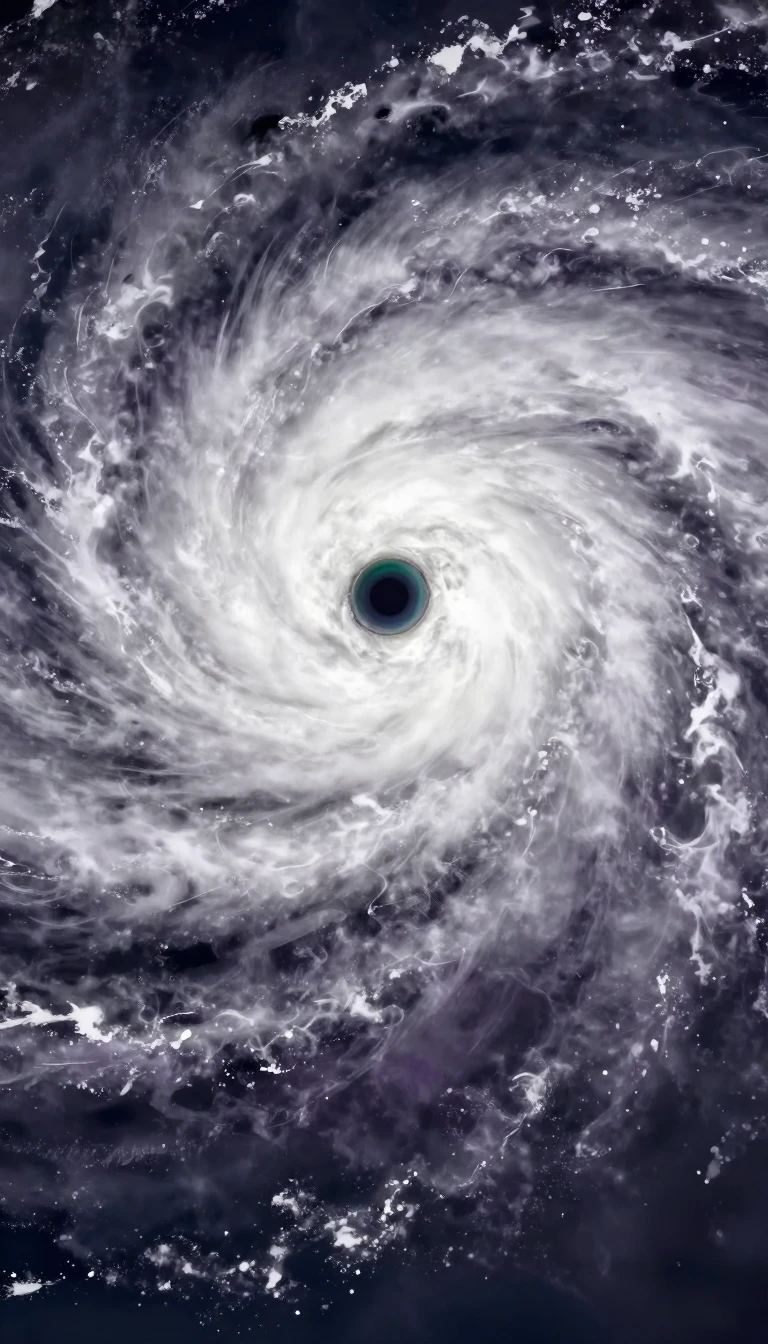
In short: In September 2018, Typhoon Mangkhut tore through the Philippines, Hong Kong, and southern China. As a Category 5-equivalent super typhoon, it caused billions in damages and forced millions to evacuate. The storm’s sheer power was so immense that its name was permanently retired from international tropical cyclone naming lists.
Originating as a tropical disturbance near the International Date Line on September 5, 2018, Mangkhut rapidly intensified into a super typhoon. By September 14, it made landfall in Baggao, Cagayan, as a Category 5-equivalent system. The storm’s path across Luzon—the strongest to strike the island since Typhoon Megi in 2010—left a trail of destruction, including landslides in Benguet that buried homes and caused eighty deaths. Nationwide, the Philippines suffered at least 127 fatalities and over PHP33.9 billion in damages, affecting an estimated 5.7 million people.
As the typhoon moved toward the Pearl River Estuary, Hong Kong braced for impact. The Hong Kong Observatory issued its highest warning, Hurricane Signal No. 10, which remained in place for ten hours—the second-longest duration on record. Wind gusts reached 220 km/h at Waglan Island, shattering skyscraper windows and causing massive storm surges of up to 3.38 metres. While Hong Kong reported no fatalities, the city faced widespread infrastructure disruption, including halted rail services and over 800 cancelled flights. Across the border in mainland China, the storm triggered red alerts, forced the closure of all Macau casinos for the first time in history, and resulted in six deaths and nearly $2 billion in damages.
The legacy of Mangkhut is marked by its unprecedented scale and the subsequent administrative response. Beyond the physical destruction, the storm prompted massive preemptive evacuations of over 2.45 million people across the affected regions. Due to the catastrophic nature of the event, the Philippine Atmospheric, Geophysical and Astronomical Services Administration retired the local name 'Ompong,' while the ESCAP/WMO Typhoon Committee officially retired 'Mangkhut' in February 2019. These measures ensure that the name will never again be used for a tropical cyclone, serving as a permanent reminder of the storm's devastating impact on the Pacific nations in 2018.
Opens the Intellect+ feed with this card first. Swipe up for the next one.
Sources
- Summary by Intellect · source: Typhoon Mangkhut
To cite this card, link to https://intellectplus.co.uk/app/nature-typhoon-mangkhut.
How we source, check and correct cards: Editorial standards.
General information, not professional advice. Spotted an error? Flag the card or see corrections and complaints.
Intellect Plus is a visual educational discovery platform for exploring fascinating facts and ideas. Brain Food, Not Brain Rot. What is Intellect Plus?
Related
More in Air · More in Nature · Latest · A–Z · All topics
