These subterranean mineral sculptures are actually precise, ancient archives of our planet's climate history.
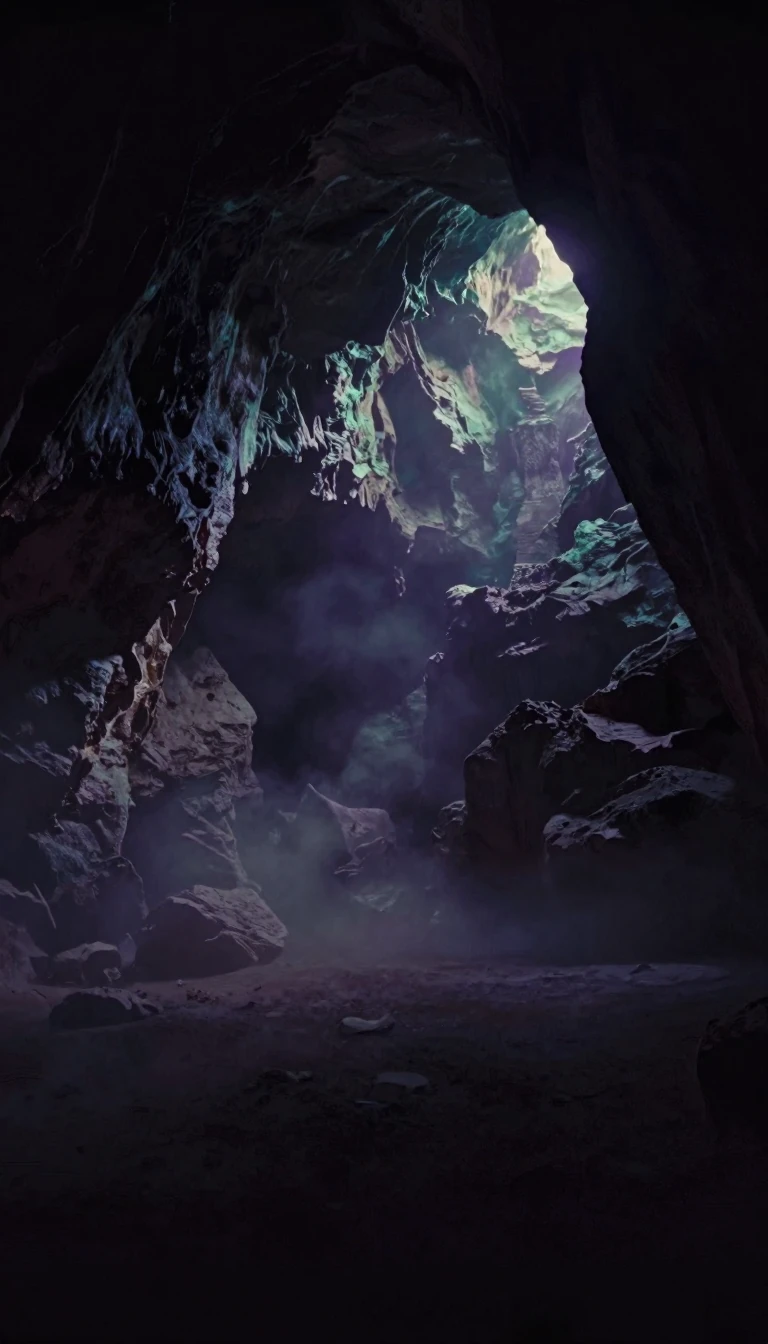
In short: Speleothems are more than just cave decorations. These geological formations, ranging from delicate soda straws to massive flowstones, act as natural data loggers. By trapping isotopes and radioactive elements over millennia, they provide scientists with a high-resolution record of rainfall, temperature, and vegetation shifts spanning hundreds of thousands of years.
Speleothems form primarily in calcareous caves through a delicate chemical dance. Rainwater absorbs carbon dioxide from the soil, becoming weakly acidic. As this water percolates through limestone or dolomite bedrock, it dissolves the calcium carbonate. Upon reaching the cave environment, the lower concentration of carbon dioxide causes the mineral to precipitate, slowly building structures like stalactites and stalagmites over time.
The diversity of these formations is staggering, with over 300 identified variations. Factors such as water seepage rates, air currents, cave humidity, and the chemical composition of the surrounding rock dictate their final shape and color. While pure calcium carbonate is colorless, impurities like iron oxide can turn them reddish-brown, while manganese oxide creates dark, moody hues. Some, like helictites, defy gravity entirely, growing in twisted, non-vertical patterns driven by surface tension and hydrostatic pressure rather than simple drips.
Beyond their aesthetic value, speleothems are vital paleoclimatic proxies. Because they grow slowly and incorporate radioactive elements, researchers use uranium-thorium and radiocarbon dating to establish precise chronologies. By analyzing oxygen and carbon stable isotopes, scientists reconstruct environmental conditions from the past 500,000 years. In rare instances, such as at the Richards Spur locality in Oklahoma, researchers have even retrieved climate data from the early Permian period, dating back 289 million years. These stone archives offer a window into Earth's past, helping us understand long-term climate cycles and short-term events like the El Niño–Southern Oscillation.
The reliability of these records depends on the cave remaining a closed system, free from recrystallization. While proxies like the Mg/Ca ratio serve as moisture indicators, they require careful interpretation, as cave ventilation can sometimes skew the results. Ultimately, these mineral deposits serve as one of the most accurate geological timekeepers available, turning the dark, quiet corners of the earth into essential libraries of our planetary history.
Opens the Intellect+ feed with this card first. Swipe up for the next one.
Sources
- Summary by Intellect · source: Speleothem
To cite this card, link to https://intellectplus.co.uk/app/nature-speleothem.
How we source, check and correct cards: Editorial standards.
General information, not professional advice. Spotted an error? Flag the card or see corrections and complaints.
Intellect Plus is a visual educational discovery platform for exploring fascinating facts and ideas. Brain Food, Not Brain Rot. What is Intellect Plus?
Related
More in Geomorphology · More in Nature · Latest · A–Z · All topics
