How a prehistoric climate refuge survived the ice ages to become a modern sanctuary
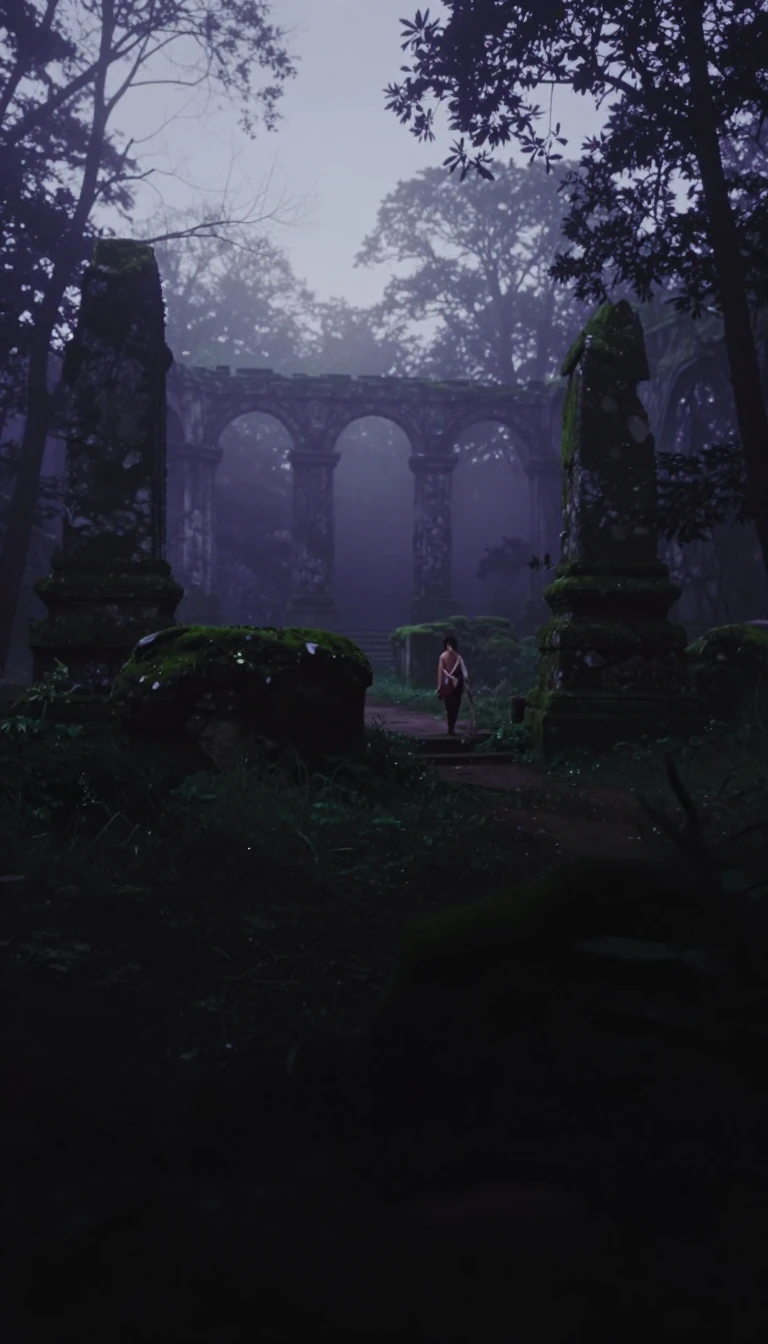
In short: Stretching across Georgia's Black Sea coast, the Colchic Rainforests and Wetlands are a rare biological time capsule. These ancient deciduous forests served as a critical refuge during the Quaternary ice ages, allowing unique species to evolve uninterrupted. Today, this UNESCO site remains one of western Eurasia's most diverse ecological treasures.
Inscribed as a UNESCO World Heritage Site on 26 July 2021, the Colchic Rainforests and Wetlands represent Georgia's first natural site to receive this designation. The area spans 31,253 hectares of diverse ecosystems, ranging from sea level to altitudes exceeding 2,500 metres. These landscapes, which include percolation bogs, mires, and deciduous rainforests, are managed through a network of protected areas, including the Kolkheti National Park and the Kintrishi Strict Nature Reserve.
The region's unique climate is defined by extreme humidity, with annual precipitation in some areas surpassing four metres. This moisture is trapped by a natural funnel formed by the Greater Caucasus, Lesser Caucasus, and Likhi Range. Geologically, the Colchis Lowland is a subsiding basin that likely formed during the Late Eocene or the Oligocene-Miocene Boundary. Fed by the Rioni River, this environment provided a stable sanctuary during the Pliocene, allowing flora and fauna to persist through the glacial cycles of the Quaternary period.
This evolutionary continuity has resulted in a high density of endemic and relict species. The site hosts nearly 1,100 plant species, such as the Caucasian walnut and the endangered Pontine oak. The vertebrate population is equally significant, comprising nearly 500 species, including 300 types of birds and 67 mammal species. The area is a vital stopover for migrating raptors like the booted eagle and provides a critical habitat for critically endangered aquatic life, including the beluga sturgeon and the Colchic sturgeon.
The site's ecological importance is underscored by the presence of 44 threatened plant species and various vulnerable amphibians, such as the Caucasian salamander and the Caucasian parsley frog. By preserving these ancient, broad-leafed forests, the site maintains a biological legacy that has survived for millions of years, offering scientists an invaluable window into the evolutionary history of western Eurasia's natural world.
Opens the Intellect+ feed with this card first. Swipe up for the next one.
Sources
- Summary by Intellect · source: Colchic Rainforests and Wetlands
To cite this card, link to https://intellectplus.co.uk/app/places-colchic-rainforests-and-wetlands.
How we source, check and correct cards: Editorial standards.
General information, not professional advice. Spotted an error? Flag the card or see corrections and complaints.
Intellect Plus is a visual educational discovery platform for exploring fascinating facts and ideas. Brain Food, Not Brain Rot. What is Intellect Plus?
Related
More in World Heritage Sites · More in Countries & Cities · Latest · A–Z · All topics
