Why German audiences refuse to call Gounod’s most famous opera by its name
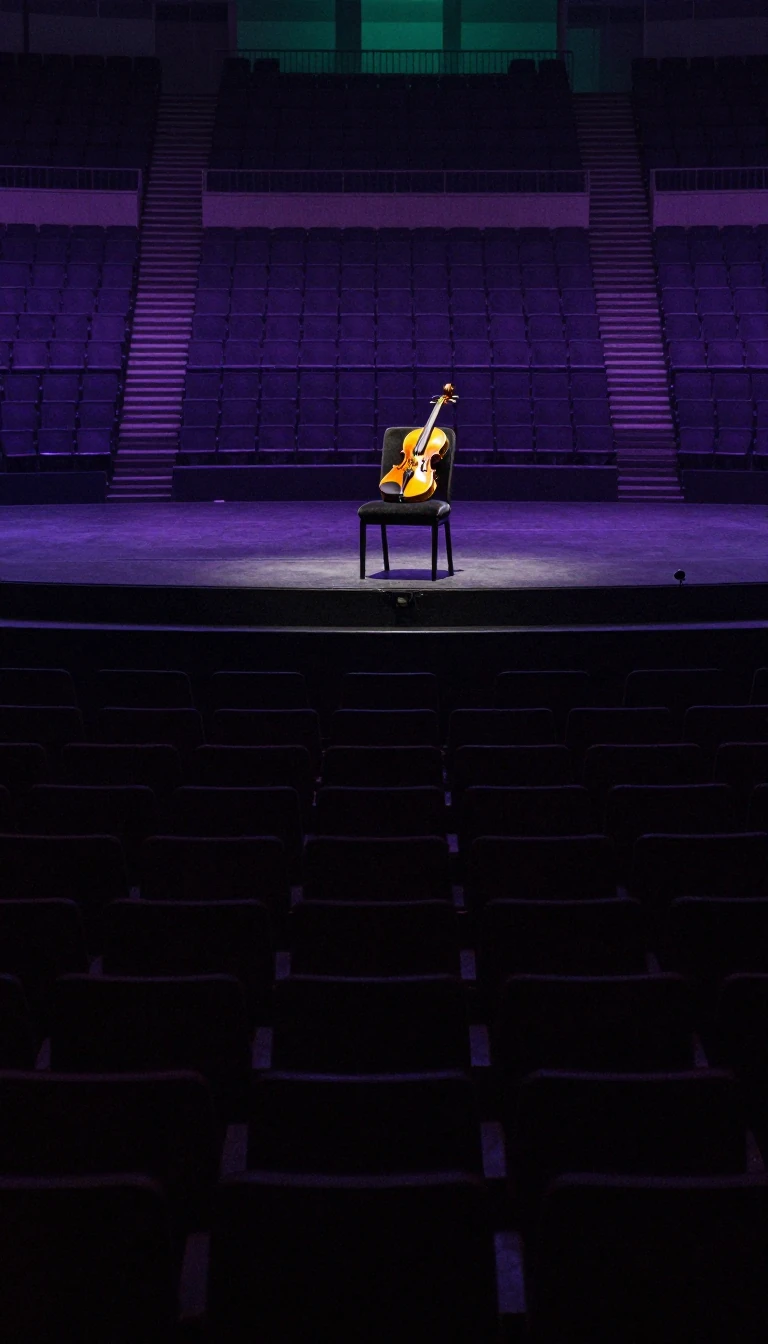
In short: Charles Gounod’s 1859 masterpiece turned a legendary German tale into a French romantic tragedy. While it became an international sensation, the work sparked lasting outrage in Germany. To this day, German theaters often rename the production to distance the composer’s vision from the original literary source by Goethe.
Premiering in Paris on March 19, 1859, Gounod’s opera was originally structured with spoken dialogue, a hallmark of the opéra comique tradition. The composer later adapted the work into a grand opera format, replacing spoken lines with sung recitative and adding extensive ballet sequences at the specific request of the Paris Opéra for its 1869 revival. These structural shifts reflect the work's evolution from a modest production into a sprawling theatrical spectacle.
The opera centers on the aging philosopher Doctor Faust, who, disillusioned with his life’s work, strikes a bargain with the devil, Méphistophélès. In exchange for his soul, Faust is granted youth and pursues the young Marguerite. Unlike Goethe’s original play, which explores deep philosophical and thematic questions, Gounod’s adaptation focuses primarily on the tragic romantic entanglement between the two leads. This shift in focus is precisely why many German critics and audiences have historically rejected the opera’s title, often billing it as 'Margarethe' or 'Gretchen' to emphasize that the work is a departure from their national literary treasure.
The opera’s influence on global culture remains significant. It served as the inaugural production for the Metropolitan Opera in New York City on October 22, 1883, and was so frequently staged there that the venue earned the nickname 'Faustspielhaus'. Despite the controversy surrounding its adaptation, the work remains a staple of the repertoire, celebrated for its diverse musical moods—ranging from the sardonic 'Le veau d’or' to the lyrical beauty of Marguerite’s arias. It stands as a testament to Gounod’s ability to craft compelling theater, even when his interpretation of a classic legend remains a point of contention.
Opens the Intellect+ feed with this card first. Swipe up for the next one.
Sources
- Summary by Intellect · source: Faust | Gounod’s Masterpiece, Romantic Tragedy | Britannica
- Also: Faust (opera)
To cite this card, link to https://intellectplus.co.uk/app/places-faust-opera.
How we source, check and correct cards: Editorial standards.
General information, not professional advice. Spotted an error? Flag the card or see corrections and complaints.
Intellect Plus is a visual educational discovery platform for exploring fascinating facts and ideas. Brain Food, Not Brain Rot. What is Intellect Plus?
Related
More in Cities · More in Countries & Cities · Latest · A–Z · All topics
