Why this New Zealand glacier defies global trends by crashing into temperate rainforest
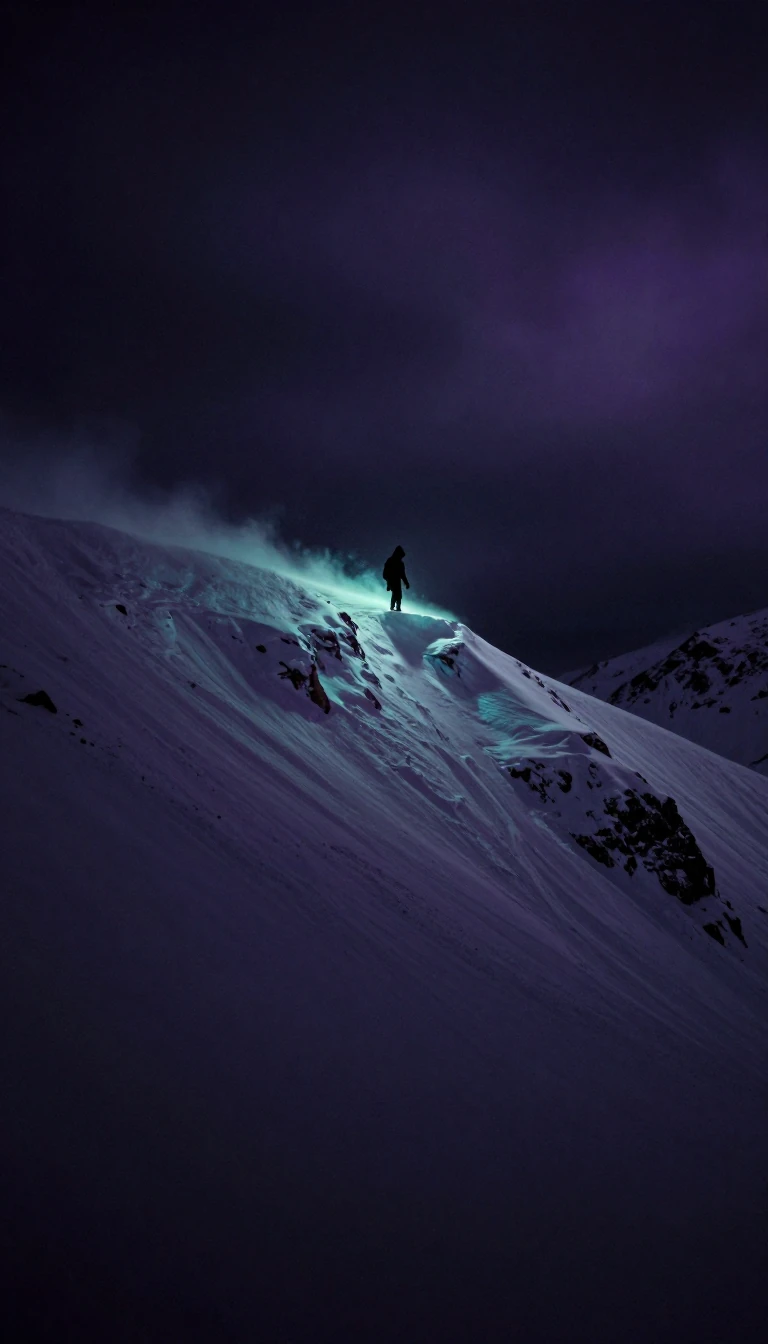
In short: Franz Josef Glacier is a geological anomaly. While most of the world's glaciers are in retreat, this steep, fast-moving river of ice descends from the Southern Alps directly into subtropical bush. It is a place where ancient ice meets modern tourism, shaped by both heavy precipitation and rapid, dangerous instability.
Known in Māori as Kā Roimata o Hine Hukatere, or 'The tears of Hine Hukatere,' the glacier is a 12-kilometre-long marvel of the Westland Tai Poutini National Park. Its unique survival in a temperate zone is due to its geography: a massive, 20-square-kilometre snowfield sits at over 2,500 metres, feeding a steep valley that drops to just 300 metres above sea level. This rapid descent allows the glacier to persist alongside native forest, though it remains highly sensitive to the balance between snowfall and rain.
The glacier’s history is defined by a cyclic pattern of advance and retreat. While global warming caused significant shrinkage toward the end of the 20th century, Franz Josef experienced anomalous growth between 1983 and 2008, regaining nearly half its lost ice due to cooler temperatures and increased southerly air flow. However, this trend reversed sharply after 2008. Between 2008 and 2017, the glacier retreated by 1.5 kilometres, and projections suggest it could lose 38% of its mass by 2100.
This instability has transformed how visitors interact with the landscape. Once easily accessible by foot, the terminal face became too dangerous following a collapse in March 2012. Today, the valley walk ends 3,000 metres from the ice, and most exploration now requires helicopter transport. The area is also prone to jökulhlaups—outbreak floods from ice tunnels—which have repeatedly destroyed local infrastructure, including the Waiho River bridge. Despite these hazards, the glacier remains a major draw, with visitor numbers surging from 250,000 in 2008 to 700,000 by 2017.
Opens the Intellect+ feed with this card first. Swipe up for the next one.
Sources
- Summary by Intellect · source: Franz Josef Glacier
- Also: Wikidata — Franz Josef Glacier · CC0
- Also: Wikidata — Franz Josef Glacier School · CC0
To cite this card, link to https://intellectplus.co.uk/app/places-franz-josef-glacier.
How we source, check and correct cards: Editorial standards.
General information, not professional advice. Spotted an error? Flag the card or see corrections and complaints.
Intellect Plus is a visual educational discovery platform for exploring fascinating facts and ideas. Brain Food, Not Brain Rot. What is Intellect Plus?
Related
More in Other hydrological features · More in Countries & Cities · Latest · A–Z · All topics
