How Japan’s first international capital city was built without a single defensive wall
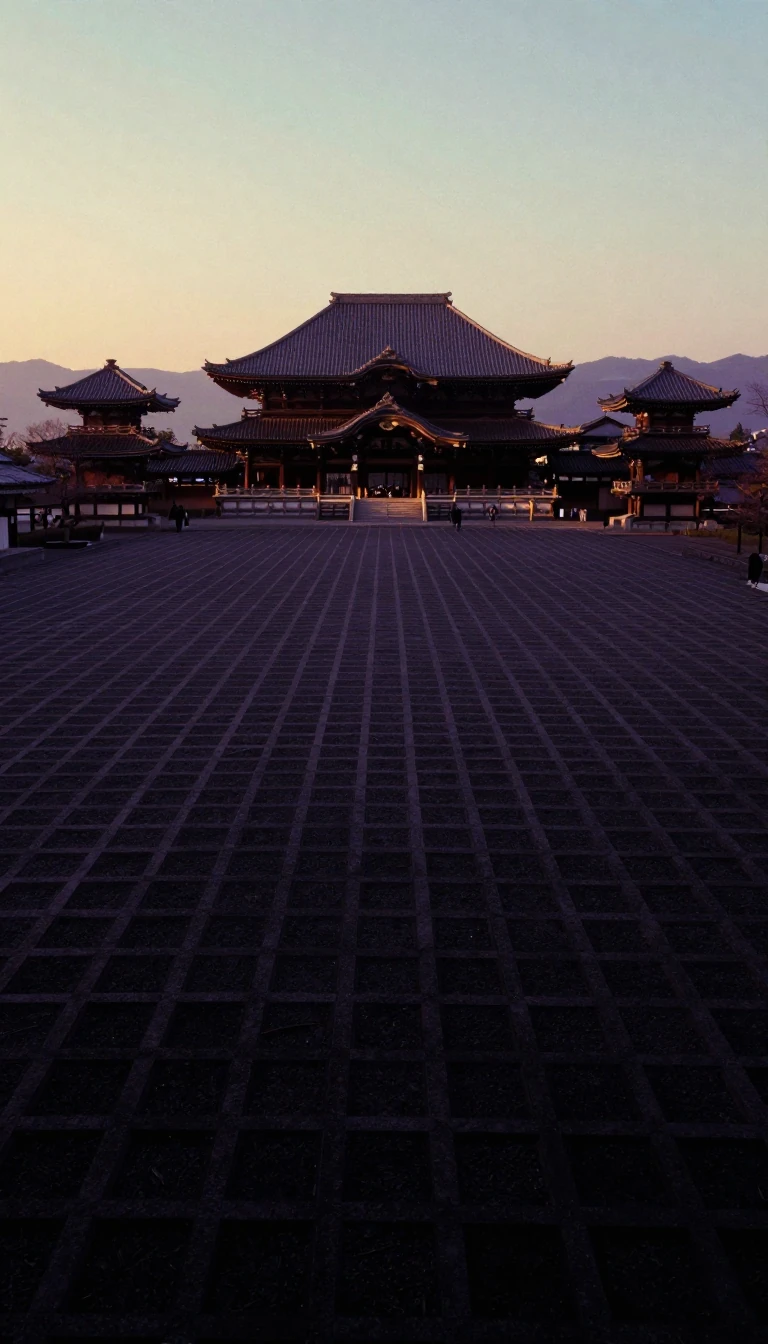
In short: Established in 710, Heijō-kyō served as the political heart of Japan for most of the Nara period. Modeled after the Chinese capital of Chang'an, this sprawling urban center flourished as a Silk Road hub, hosting a diverse population of up to 100,000 people before eventually fading into history.
Heijō-kyō functioned as Japan’s primary capital across two distinct intervals: from 710 until 740, and again between 745 and 784. Empress Genmei initiated the transition from the previous capital, Fujiwara-kyō, in 708, with the relocation finalized just two years later. Spanning an area exceeding 25 square kilometers, the city was designed with an irregular rectangular layout. Unlike many contemporary capitals of the era, Heijō-kyō was notably absent of defensive walls, reflecting a unique approach to urban planning.
The city’s architecture and cultural life were heavily influenced by Tang-dynasty China. Merchants arriving via the Silk Road from Korea, China, and India brought foreign customs and goods, cementing the city's status as Japan’s inaugural international capital. At its height, the population reached between 50,000 and 100,000 residents. Central to its design was the Suzaku-ōji, a grand avenue stretching 3.7 kilometers from the Rajōmon Gate in the south to the palace’s Suzakumon Gate, intended to impress visiting foreign envoys.
Modern archaeological efforts, particularly excavations beginning in 1974, have provided significant insights into the city’s infrastructure. Researchers discovered that the main avenue was roughly 74 meters wide, with evidence of an even older, 23-meter-wide road buried beneath it. In 2010, a section of this historic street was reconstructed to commemorate the 1,300th anniversary of the capital's founding. Today, the site remains a protected landmark, with the imperial palace and various ancient Buddhist temples recognized as part of a UNESCO World Heritage designation.
The legacy of Heijō-kyō persists through these preserved ruins and the ongoing study of its sophisticated urban design. While the capital eventually moved, the site serves as a vital window into the Nara period, illustrating how Japan integrated continental influences to forge its own distinct political and cultural identity during the 8th century.
Opens the Intellect+ feed with this card first. Swipe up for the next one.
Sources
- Summary by Intellect · source: Heijō-kyō
- Also: Heijō-kyō
- Also: Wikidata — Heijō-kyō History Museum · CC0
To cite this card, link to https://intellectplus.co.uk/app/places-heij-ky.
How we source, check and correct cards: Editorial standards.
General information, not professional advice. Spotted an error? Flag the card or see corrections and complaints.
Intellect Plus is a visual educational discovery platform for exploring fascinating facts and ideas. Brain Food, Not Brain Rot. What is Intellect Plus?
Related
More in Historical cities, towns and archaeological sites · More in Countries & Cities · Latest · A–Z · All topics
