The Omo River: A Cradle of Humanity and a Modern Hydroelectric Battleground
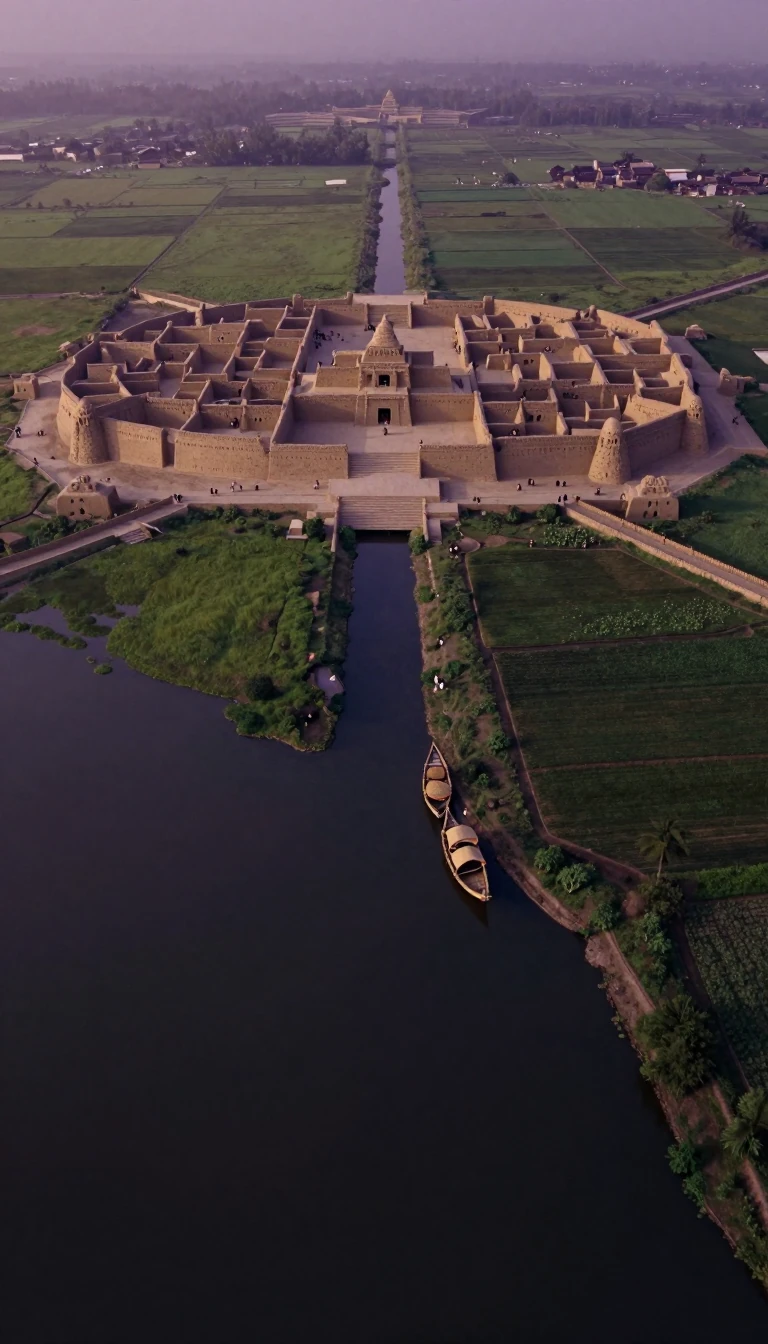
In short: Flowing entirely within Ethiopia, the Omo River is both a geological treasure trove and a site of intense modern development. While its valley holds some of the oldest hominid fossils ever discovered, the river is now the focus of massive hydroelectric projects that have sparked significant international controversy and debate.
The Omo River, stretching 760 kilometres, is the largest Ethiopian river outside the Nile Basin. It empties into Lake Turkana, providing about 90 percent of the lake's water. The river's basin is globally significant for its archaeological wealth, having yielded over 50,000 fossils, including 230 hominid specimens from the Pliocene and Pleistocene eras. These findings, which include tools dating back 2.4 million years, led to the Lower Valley of the Omo being designated a UNESCO World Heritage site in 1980.
Beyond its ancient history, the river is a vital resource for diverse indigenous groups, such as the Mursi, Hamer, and Nyangatom, who rely on flood-retreat cultivation. However, the river's character is changing. The construction of the Gibe III dam, a 246-metre-high structure, has transformed the region's power landscape. With a capacity of 1,870 megawatts, it more than doubled Ethiopia's total installed power capacity from its 2007 level of 814 megawatts.
This development has triggered fierce opposition. Critics, including various NGOs, argue the project threatens the food security of half a million people and labels it one of the most destructive infrastructure projects in Africa. Conversely, government officials maintain that the dam is essential for national development, noting that a large portion of the local population currently relies on food aid and that only 25 percent of the country has access to electricity. The tension between preserving traditional livelihoods and pursuing large-scale modernization remains a defining feature of the Omo Valley today.
Opens the Intellect+ feed with this card first. Swipe up for the next one.
Sources
- Summary by Intellect · source: Omo River
- Also: Wikidata — Omo River · CC0
- Also: Wikidata — Omo River · CC0
To cite this card, link to https://intellectplus.co.uk/app/places-omo-river.
How we source, check and correct cards: Editorial standards.
General information, not professional advice. Spotted an error? Flag the card or see corrections and complaints.
Intellect Plus is a visual educational discovery platform for exploring fascinating facts and ideas. Brain Food, Not Brain Rot. What is Intellect Plus?
Related
More in World Heritage Sites · More in Countries & Cities · Latest · A–Z · All topics
