Why the birthplace of the Olympic Games was buried under eight meters of sediment
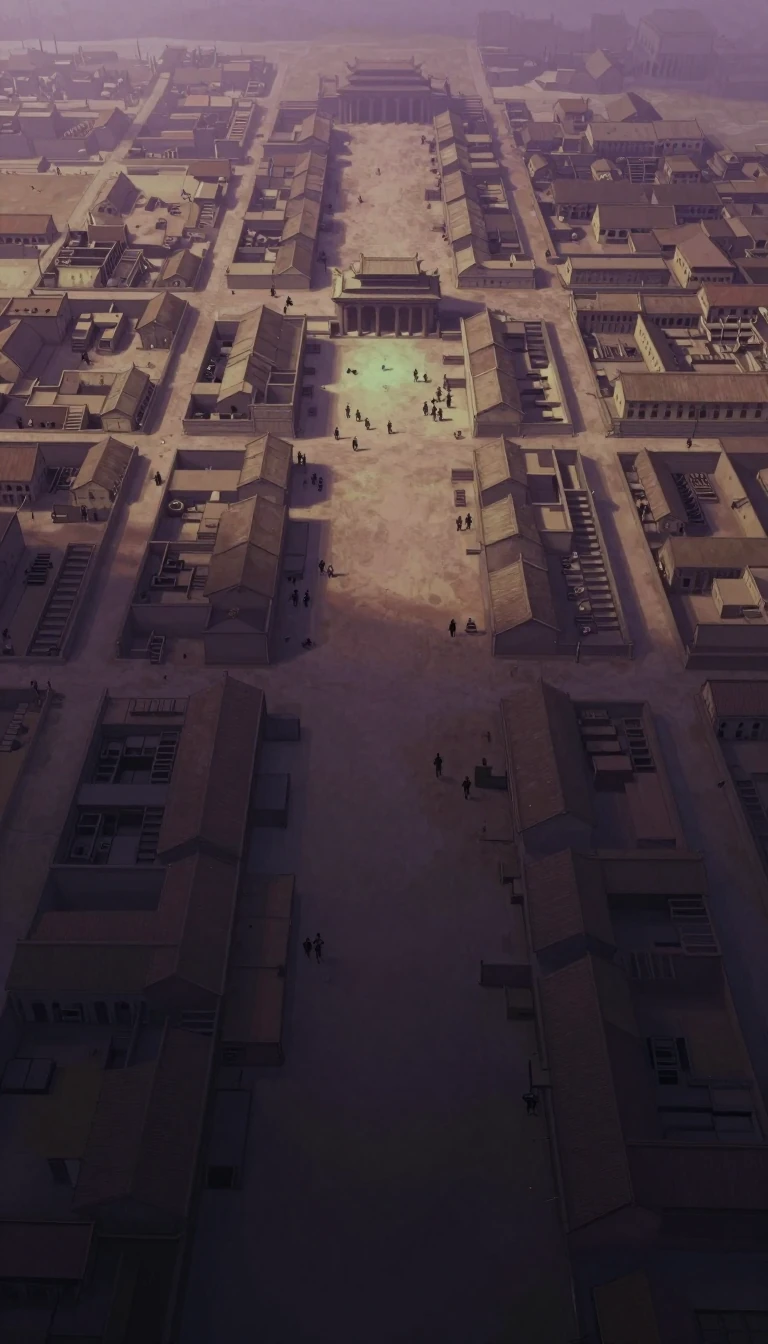
In short: Olympia is famous as the sacred sanctuary where ancient Greeks gathered every four years to compete. While long attributed to river flooding, modern research suggests the site was actually buried by repeated tsunamis. Today, this sprawling archaeological wonder remains a testament to a civilization that defined the spirit of excellence.
Located in the Peloponnese valley of the Alfeiós River, Olympia served as a Panhellenic religious center dedicated primarily to Zeus. Far from Mount Olympus, the site functioned as a neutral ground where city-states built treasuries and competed in games that helped forge a collective Greek identity. The sanctuary was not merely a collection of ruins but a living, evolving space that expanded over centuries, eventually housing over 70 temples and the legendary chryselephantine statue of Zeus created by Pheidias.
The site reached its peak between the 5th and 4th centuries BC, a golden era that saw the construction of major secular and religious structures, including the Leonidaion and the Echo Stoa. The games themselves were managed by the nearby state of Elis, which often faced political contention from neighboring villages like Pisa. Despite the famous Olympic truce, which guaranteed safe passage for visitors, the sanctuary was not immune to the shifting power dynamics of the ancient world, eventually falling under Roman influence before being banned by Christian emperors in the late 4th century AD.
Following the final games in 393 AD, the site suffered through earthquakes, invasions, and religious persecution. By the early 7th century, the area was abandoned and eventually hidden beneath eight meters of alluvial deposits. While early antiquarians assumed the Alfeiós River was responsible, recent analysis of mollusc shells and foraminifera points to a more dramatic history of tsunamis. Since its rediscovery in 1766, systematic excavations—most notably by the German Archaeological Institute starting in 1875—have unearthed thousands of artifacts, including bronze figurines and sculptures, that continue to reshape our understanding of this ancient landscape.
Opens the Intellect+ feed with this card first. Swipe up for the next one.
Sources
- Summary by Intellect · source: Olympia, Greece
- Also: Wikidata — Olympia · CC0
To cite this card, link to https://intellectplus.co.uk/app/places-olympia-greece.
How we source, check and correct cards: Editorial standards.
General information, not professional advice. Spotted an error? Flag the card or see corrections and complaints.
Intellect Plus is a visual educational discovery platform for exploring fascinating facts and ideas. Brain Food, Not Brain Rot. What is Intellect Plus?
Related
More in World Heritage Sites · More in Countries & Cities · Latest · A–Z · All topics
