The concrete dome holding a massive legacy of nuclear waste
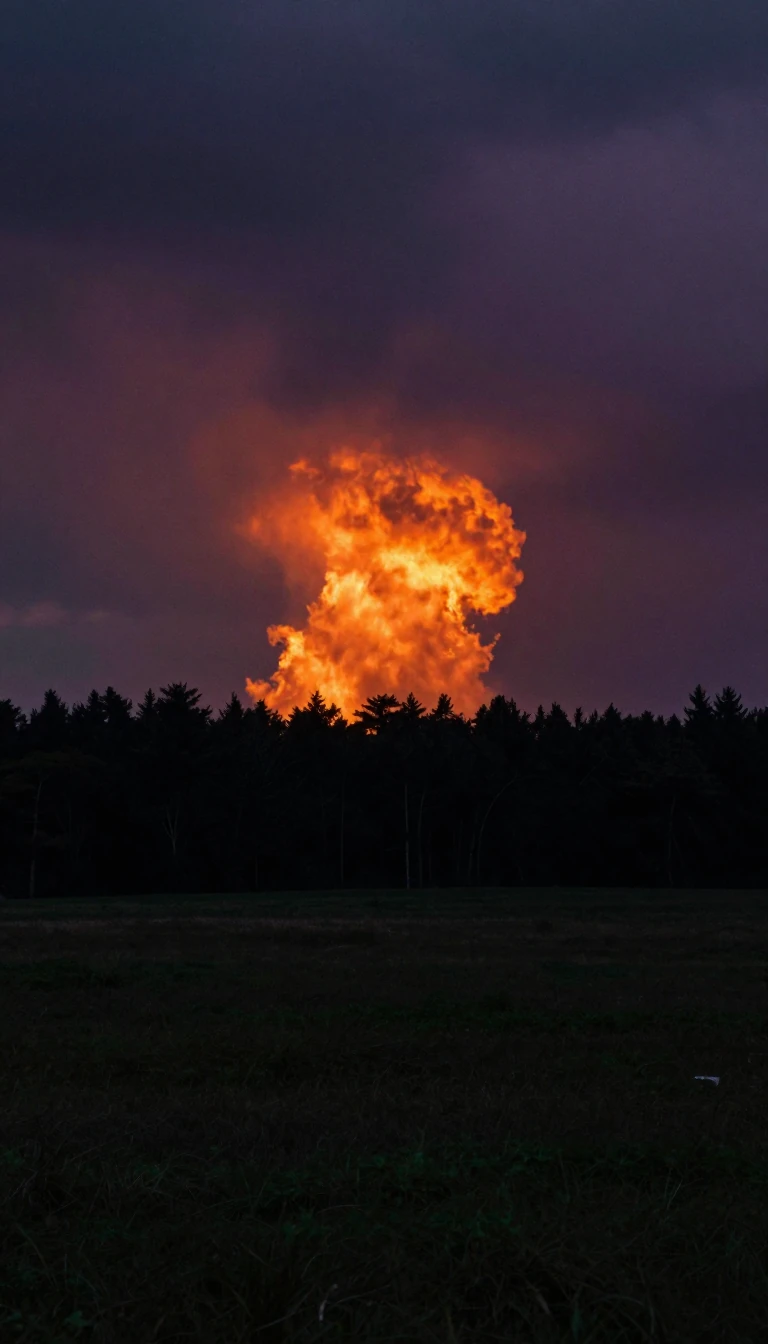
In short: On Runit Island, a massive concrete structure known as the "Tomb" encapsulates thousands of cubic meters of radioactive debris. Built to seal a nuclear blast crater, the dome now faces scrutiny over weathering and the potential for a radioactive spill into the surrounding ocean.
The Runit Dome, also called Cactus Dome, is a concrete structure 115 meters in diameter and 46 centimeters thick. It was constructed between 1977 and 1980 to entomb the crater left by the Cactus nuclear test. Roughly 4,000 US troops participated in a three-year decontamination project, blending topsoil and loose debris from six Enewetak Atoll islands with concrete to finish the seal. This massive decontamination effort involved thousands of US servicemen working to secure the site. The project aimed to seal the crater created during the Cactus test.
Estimates of the debris volume vary slightly: the site contains an estimated 73,000 cubic meters of radioactive debris, including plutonium-239, while the US Department of Energy reports approximately 76,000 cubic meters of contaminated soil and debris. A significant concern is that the original plan to line the porous crater bottom with concrete was abandoned to save costs. Because the crater bottom consists of permeable soil, seawater has entered the dome. This vulnerability is linked to the rapid tidal response of the water beneath the debris. Consequently, radionuclides could potentially contaminate the local groundwater supply.
While the Department of Energy reported in June 2020 that the dome is not in immediate danger and should not affect the environment for twenty years, fears persist. In 2013, the structure showed minor cracking, and a 2019 investigation reignited concerns about leaks. However, because the surrounding soil and lagoon water are already more contaminated than the dome's contents, experts suggest a breach might not significantly change local radiation levels, though it could disperse plutonium, which is both radioactive and a toxic heavy metal. Following an investigative report in 2019, Congress ordered the Department of Energy to assess the structure and create a repair strategy. This assessment was completed during the first half of 2020.
Opens the Intellect+ feed with this card first. Swipe up for the next one.
Sources
- Summary by Intellect · source: Runit Island
- Also: Wikidata — Runit · CC0
To cite this card, link to https://intellectplus.co.uk/app/places-runit-island.
How we source, check and correct cards: Editorial standards.
General information, not professional advice. Spotted an error? Flag the card or see corrections and complaints.
Intellect Plus is a visual educational discovery platform for exploring fascinating facts and ideas. Brain Food, Not Brain Rot. What is Intellect Plus?
Related
More in Islands · More in Countries & Cities · Latest · A–Z · All topics
