The tiny biological engines that power life by spinning at the molecular level
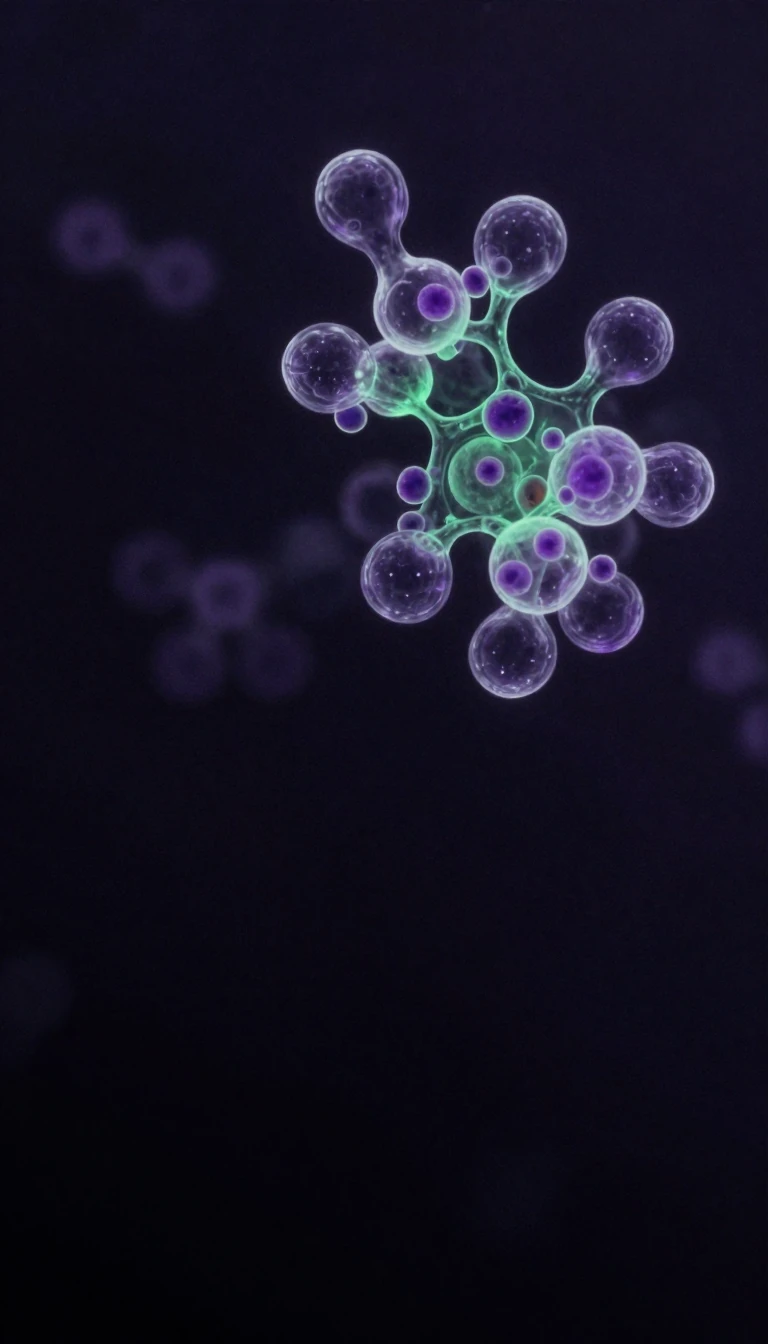
In short: Every living cell relies on a class of enzymes called ATPases to manage its energy currency. These remarkable proteins act as both chemical pumps and rotary motors, driving essential processes like ion transport and ATP synthesis. By converting energy into mechanical work, they sustain the fundamental conditions required for life.
ATPases are enzymes that facilitate the breakdown of adenosine triphosphate (ATP) into adenosine diphosphate (ADP) and a phosphate ion. This reaction releases energy that the cell harnesses to fuel otherwise impossible chemical processes. Some of these enzymes are embedded within biological membranes, where they function as transmembrane transporters. By moving solutes against their natural concentration gradients, they maintain vital cellular conditions, such as the membrane potential or the acidity levels within organelles.
The most complex of these are the rotary ATPases, which operate like sophisticated molecular motors. These complexes consist of two primary domains, often labeled Fo and F1, connected by a central stalk. In mitochondria and chloroplasts, these machines function in reverse to synthesize ATP. As protons flow down their electrochemical gradient, the enzyme undergoes a unique spinning motion. This rotation forces the catalytic domain to change shape, bonding ADP and phosphate together to generate new ATP molecules.
These enzymes are categorized by their structure and specific roles. F-ATPases are the primary producers of ATP, while V-ATPases are typically found in vacuoles, where they hydrolyze ATP to pump protons and lower internal pH. P-ATPases, named for the temporary attachment of phosphate to an aspartate residue during activation, transport various ions and phospholipids. Beyond natural biology, researchers have even designed synthetic versions that lack the beta-sheet structures found in all naturally occurring ATPases, proving that this essential function can be achieved through diverse structural arrangements.
The universality of these enzymes is underscored by the Walker motifs, a protein sequence found in nearly all natural ATPases. These motifs are thought to have evolved from small, self-organizing peptides. Because ATPase function is so deeply conserved across species, these enzymes are frequent targets for toxins; for instance, plant-derived cardenolides act as potent animal toxins by interfering with ATPase activity. Genetic variations in these enzymes are linked to a wide spectrum of human diseases, highlighting their critical role in maintaining biological stability.
Opens the Intellect+ feed with this card first. Swipe up for the next one.
Sources
- Summary by Intellect · source: ATPase
To cite this card, link to https://intellectplus.co.uk/app/science-atpase.
How we source, check and correct cards: Editorial standards.
General information, not professional advice. Spotted an error? Flag the card or see corrections and complaints.
Intellect Plus is a visual educational discovery platform for exploring fascinating facts and ideas. Brain Food, Not Brain Rot. What is Intellect Plus?
Related
More in Cell biology · More in Science · Latest · A–Z · All topics
