Water boils at 100 °C only under standard sea-level pressure
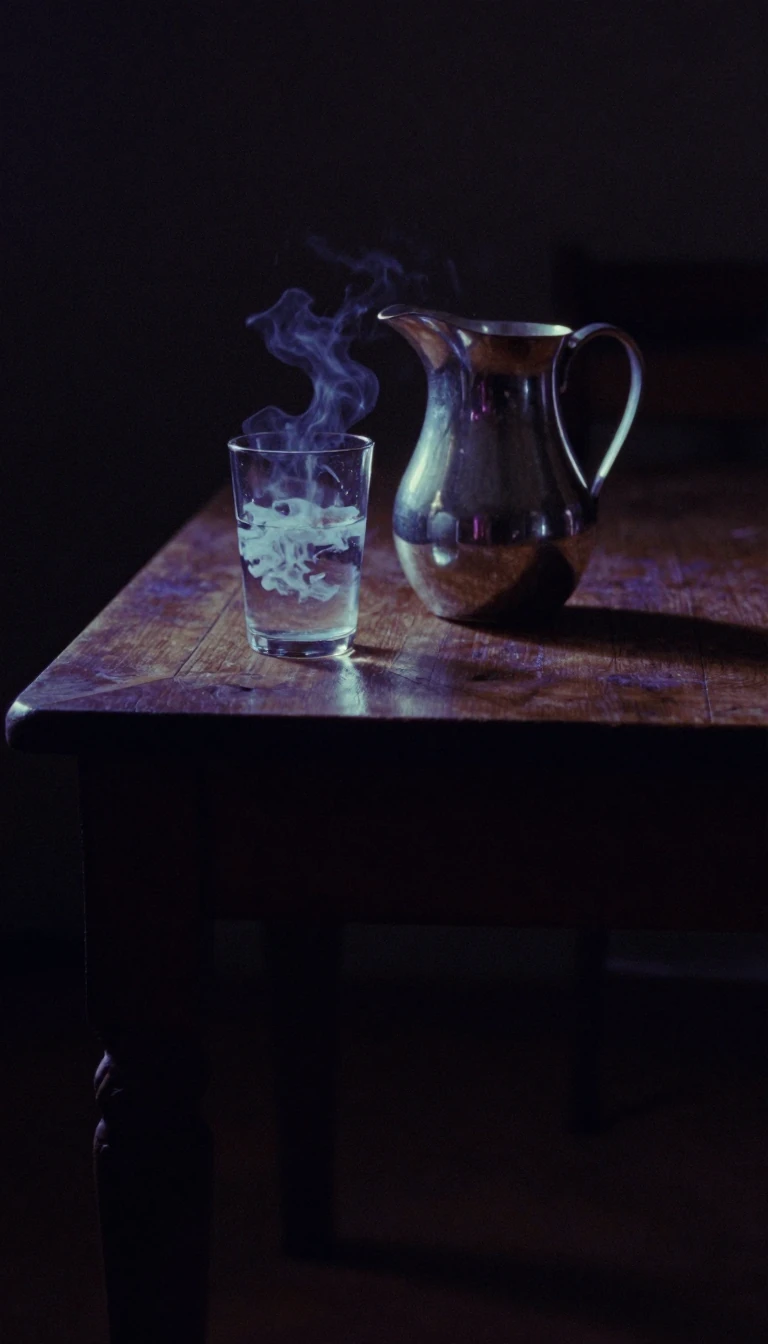
In short: Water boils at 100 °C only at sea-level pressure. On a mountain, the boiling point drops, and on Everest it falls to about 71 °C. Boiling depends on pressure, not just heat, and it can even be delayed past its boiling point.
A liquid boils when its vapor pressure equals the pressure of the air pressing on it. Vapor bubbles then form throughout the liquid, not just at the surface. This is different from evaporation, which happens at the surface at lower temperatures. Because air pressure falls with altitude, water boils at 93.4 °C at 1,905 metres, and on top of Mount Everest the boiling point drops to about 71 °C. The standard boiling point is defined at one atmosphere, and the commonly quoted figure of 100 °C is a rounded value for water's measured boiling point of 99.97 °C. The mechanism also explains why liquids differ. Liquids with higher vapor pressure at a given temperature have lower normal boiling points. Ethanol boils at 78.4 °C, well below water, which is why simple distillation can separate the two. Mixtures can behave differently again: an ethanol and water mixture of about 95.6% ethanol boils at 78.2 °C, lower than either pure component, and cannot be separated further by simple distillation.
Bubbles do not always form when expected. Surface tension resists the growth of a small bubble, so a smooth, clean container of purified water can be heated above its boiling point without boiling. This is called superheating. Once the liquid is disturbed, the bubbles can form suddenly and violently. Microwaved water in a very smooth container can therefore erupt when a spoon is put in or a cup is jostled, which is why such water can cause burns. Boiling also links to the wider water cycle. Heat absorbed during evaporation, the latent heat of vaporization, is released again when vapor condenses. The ocean supplies about 86% of global evaporation, and this energy exchange helps move heat from the tropics towards the poles.
Sources disagree on details only in precision: the normal boiling point is 99.97 °C on the thermodynamic Celsius scale, while the IUPAC standard at 1 bar is 99.61 °C. Both are quoted, and the difference comes from the pressure chosen as standard.
Opens the Intellect+ feed with this card first. Swipe up for the next one.
Sources
- Summary by Intellect · source: Water - Wikipedia
- Also: Pot still - Wikipedia
- Also: Azeotrope
- Also: Water cycle
- Also: Boiling point
- Also: Superheating
To cite this card, link to https://intellectplus.co.uk/app/science-what-happens-when-water-boils.
How we source, check and correct cards: Editorial standards.
General information, not professional advice. Spotted an error? Flag the card or see corrections and complaints.
Intellect Plus is a visual educational discovery platform for exploring fascinating facts and ideas. Brain Food, Not Brain Rot. What is Intellect Plus?
Related
More in Researched · More in Science · Latest · A–Z · All topics
