Water boils when its vapor pressure matches the pressure pressing down on it
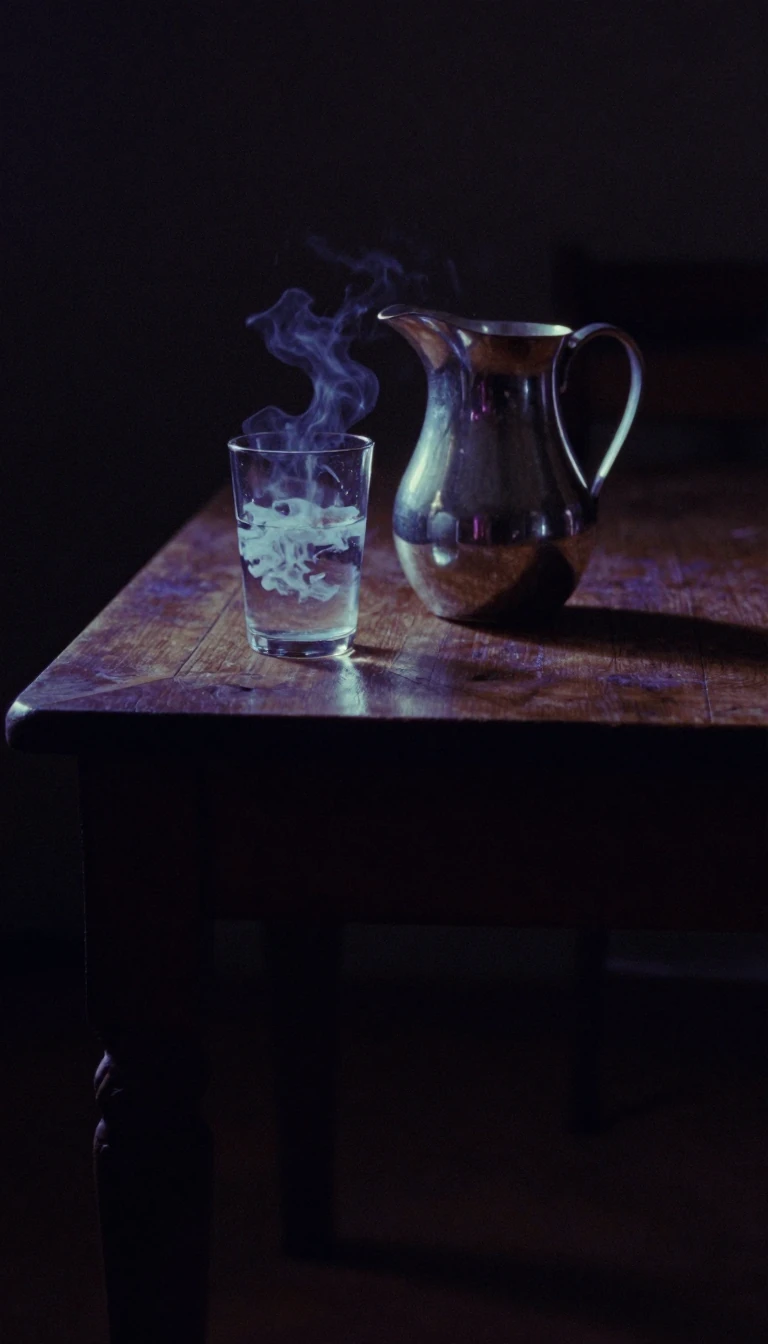
In short: Water boils when the push from its own escaping vapor equals the pressure of the air above it. Because that air pressure drops with altitude, water boils at lower temperatures on mountains, and the same idea explains why pressure cookers cook faster.
A liquid boils at the temperature where its vapor pressure equals the pressure of the gas above it. Molecules leaving a liquid create an upward push called vapor pressure. Heating a liquid makes more molecules escape, so this push rises. Once it equals the surrounding atmospheric pressure, bubbles of vapor can form throughout the liquid, and boiling begins. Evaporation is different: it happens at the surface at any temperature, while boiling involves molecules escaping from anywhere in the liquid.
Pressure sets the boiling point. Under standard sea-level pressure, water boils at about 100 °C, though the precise value is 99.97 °C. Higher up, the air is thinner, so less vapor pressure is needed and water boils sooner. One source notes that on Mount Everest, where the pressure is about 34 kPa, water boils near 71 °C. A cook on a high mountain may therefore find an egg takes longer to cook, since the water is cooler than at sea level.
A pressure cooker does the opposite. Its valve holds in steam until the pressure inside reaches about 2 atmospheres, so water there does not boil until roughly 120 °C. Because the water stays hotter before it boils, food cooks faster. The relationship runs both ways: raising pressure raises the boiling point, and lowering pressure lowers it, down to a limit set by the substance's triple point.
Different liquids boil at different temperatures because their molecules attract one another with different strengths. Liquids with higher vapor pressure at a given temperature have lower normal boiling points. Boiling is also a physical change, so the water molecules are not chemically altered. Boiling water for a minute at a rolling boil is enough to kill most disease-causing microbes, though it does not remove chemicals or heavy metals.
Opens the Intellect+ feed with this card first. Swipe up for the next one.
Sources
- Summary by Intellect · source: Boiling - Chemistry LibreTexts
- Also: Emergency Disinfection of Drinking Water | US EPA
- Also: Melting Point, Freezing Point, Boiling Point
- Also: Boil water
- Also: Boiling point
To cite this card, link to https://intellectplus.co.uk/app/science-why-does-water-boil.
How we source, check and correct cards: Editorial standards.
General information, not professional advice. Spotted an error? Flag the card or see corrections and complaints.
Intellect Plus is a visual educational discovery platform for exploring fascinating facts and ideas. Brain Food, Not Brain Rot. What is Intellect Plus?
Related
More in Researched · More in Science · Latest · A–Z · All topics
