Janssen is a scorching super-Earth where a year lasts less than one day
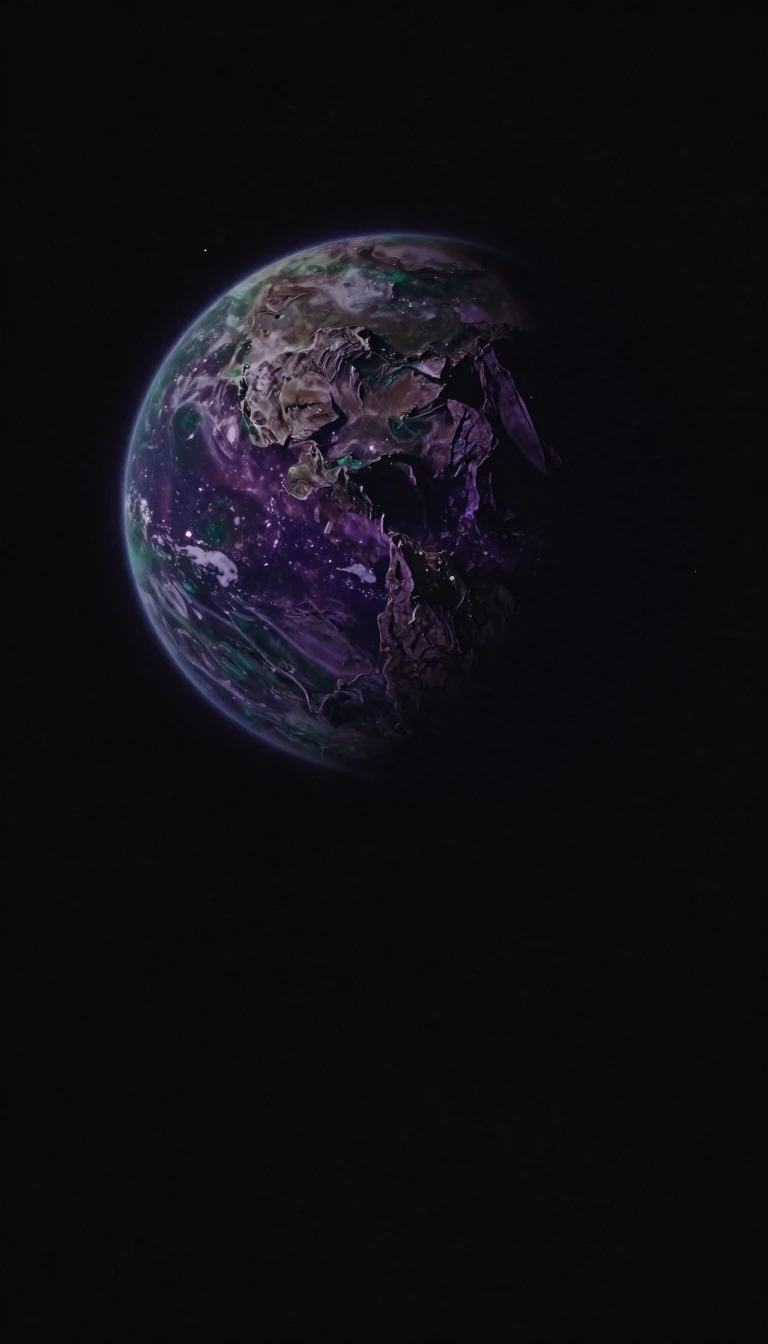
In short: Orbiting its host star in under 18 hours, 55 Cancri Ae is a blistering world of extremes. Once thought to be a simple rocky planet, recent data suggests a complex environment defined by molten surfaces, volcanic outgassing, and a thick, carbon-heavy atmosphere that defies earlier, simpler models of its composition.
Discovered in 2004, 55 Cancri Ae—officially named Janssen—was the first super-Earth identified orbiting a main sequence star. Its existence was initially debated; early radial velocity data suggested a 2.8-day orbital period, but later analysis proved this was an alias for a much tighter 0.74-day orbit. This proximity to its host star, 55 Cancri A, subjects the planet to intense radiation, likely locking it tidally so that one hemisphere remains permanently scorched while the other faces the void.
The planet's composition has remained a subject of intense scientific scrutiny. Early theories proposed it might be a water world or even a carbon-rich planet where internal pressures could forge vast quantities of diamond. Other models suggested a thin atmosphere of vaporized rock. However, observations from the James Webb Space Telescope in 2024 shifted the consensus, providing evidence for a substantial gaseous envelope dominated by carbon monoxide or carbon dioxide. Researchers believe this atmosphere is likely sustained by a global magma ocean that continuously outgasses volatile materials.
The extreme conditions on Janssen are further complicated by observed thermal variability. Scientists have noted significant fluctuations in the planet's heat emissions, which some attribute to massive volcanic events that periodically shroud the surface in dust. While earlier studies attempted to detect hydrogen or helium, more recent spectroscopic data suggests the planet lacks a primordial atmosphere, pointing instead to a secondary atmosphere formed by geological activity. As one of the most studied super-Earths, Janssen continues to challenge our understanding of how planets evolve in the intense heat of their parent stars.
Opens the Intellect+ feed with this card first. Swipe up for the next one.
Sources
- Summary by Intellect · source: 55 Cancri Ae
To cite this card, link to https://intellectplus.co.uk/app/space-55-cancri-ae.
How we source, check and correct cards: Editorial standards.
General information, not professional advice. Spotted an error? Flag the card or see corrections and complaints.
Intellect Plus is a visual educational discovery platform for exploring fascinating facts and ideas. Brain Food, Not Brain Rot. What is Intellect Plus?
Related
More in Astronomical objects · More in Space · Latest · A–Z · All topics
