Is the vast void between galaxies actually filled with invisible cosmic dust?
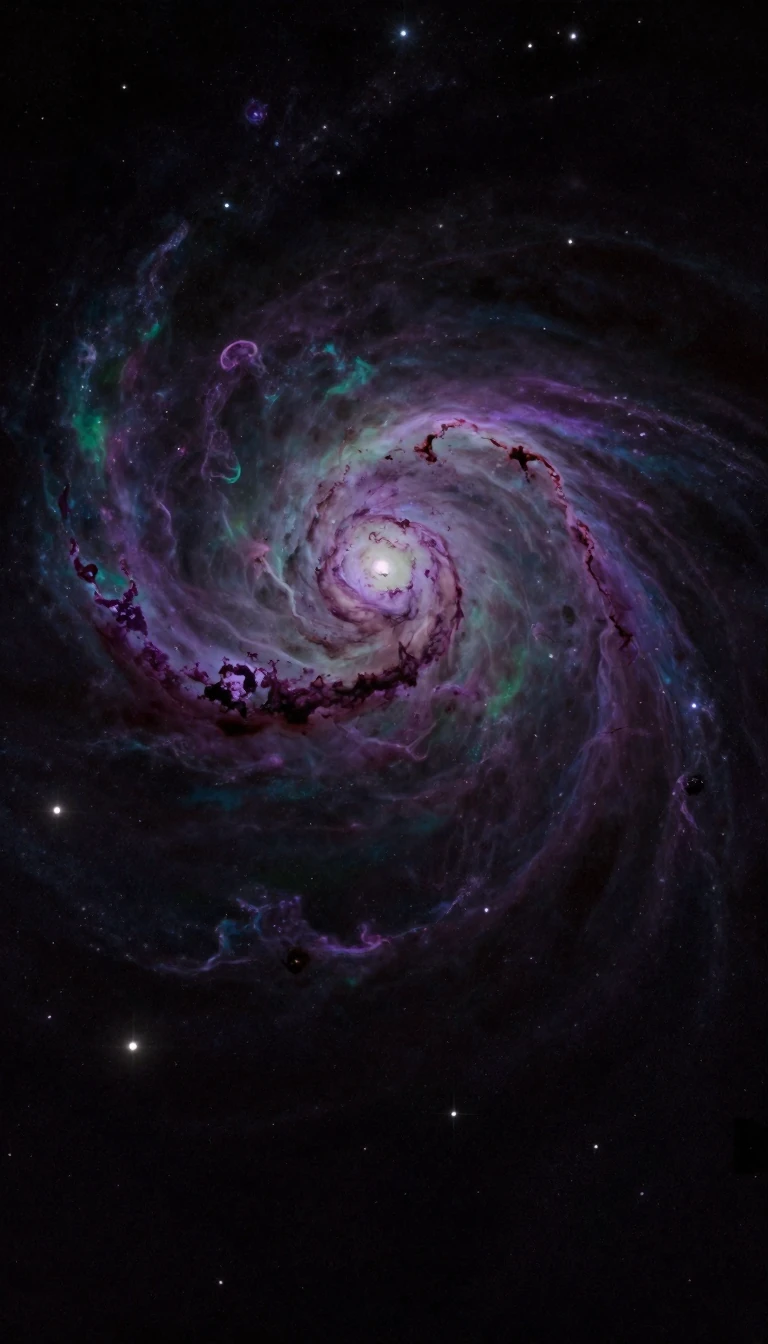
In short: Space between galaxies is not as empty as it appears. Scientists have long suspected that cosmic dust drifts through the intergalactic void, potentially distorting our view of the distant universe. This elusive material challenges how we measure cosmic distances and reveals a complex, hidden structure within the deep reaches of space.
The existence of intergalactic dust has been a subject of scientific inquiry since at least 1949, with research intensifying throughout the latter half of the 20th century. While space between galaxies is often conceptualized as a near-perfect vacuum, it is increasingly understood to contain varying distributions of matter. This dust is not uniformly spread; instead, it exists in patches and clouds that can significantly impact our observations of the cosmos.
One of the primary challenges posed by this dust is its effect on distance measurements. Because dust absorbs and re-emits visible light, it can alter the apparent magnitude of distant objects like quasars and supernovae. To compensate for this, astronomers often rely on infrared observations, which provide a clearer view by bypassing some of the interference caused by these particles. This makes understanding the density and location of intergalactic dust essential for accurate extragalactic astronomy.
Beyond general haze, researchers have identified specific intergalactic dust clouds. By the 1980s, at least four such structures had been documented within several megaparsecs of the Milky Way. A notable example is the Okroy Cloud, which serves as a primary case study for these formations. These clouds, which have been recognized since the 1960s, demonstrate that matter is not strictly confined to the boundaries of galaxies but can persist in the vast, dark spaces between them.
The study of this material sits at the intersection of several fields, including astrochemistry and cosmochemistry, which examine the molecular and chemical composition of the universe. While the warm-hot intergalactic medium—a plasma-filled state—is also thought to occupy these regions, the presence of solid dust particles adds another layer of complexity to our understanding of the intergalactic medium. As technology improves, mapping these elusive clouds remains a critical task for those seeking to map the true scale of the universe.
Opens the Intellect+ feed with this card first. Swipe up for the next one.
Sources
- Summary by Intellect · source: Intergalactic dust
To cite this card, link to https://intellectplus.co.uk/app/space-intergalactic-dust.
How we source, check and correct cards: Editorial standards.
General information, not professional advice. Spotted an error? Flag the card or see corrections and complaints.
Intellect Plus is a visual educational discovery platform for exploring fascinating facts and ideas. Brain Food, Not Brain Rot. What is Intellect Plus?
Related
More in Galactic and extragalactic astronomy · More in Space · Latest · A–Z · All topics
