Why the evening is the most scientifically productive time for amateur astronomers to observe
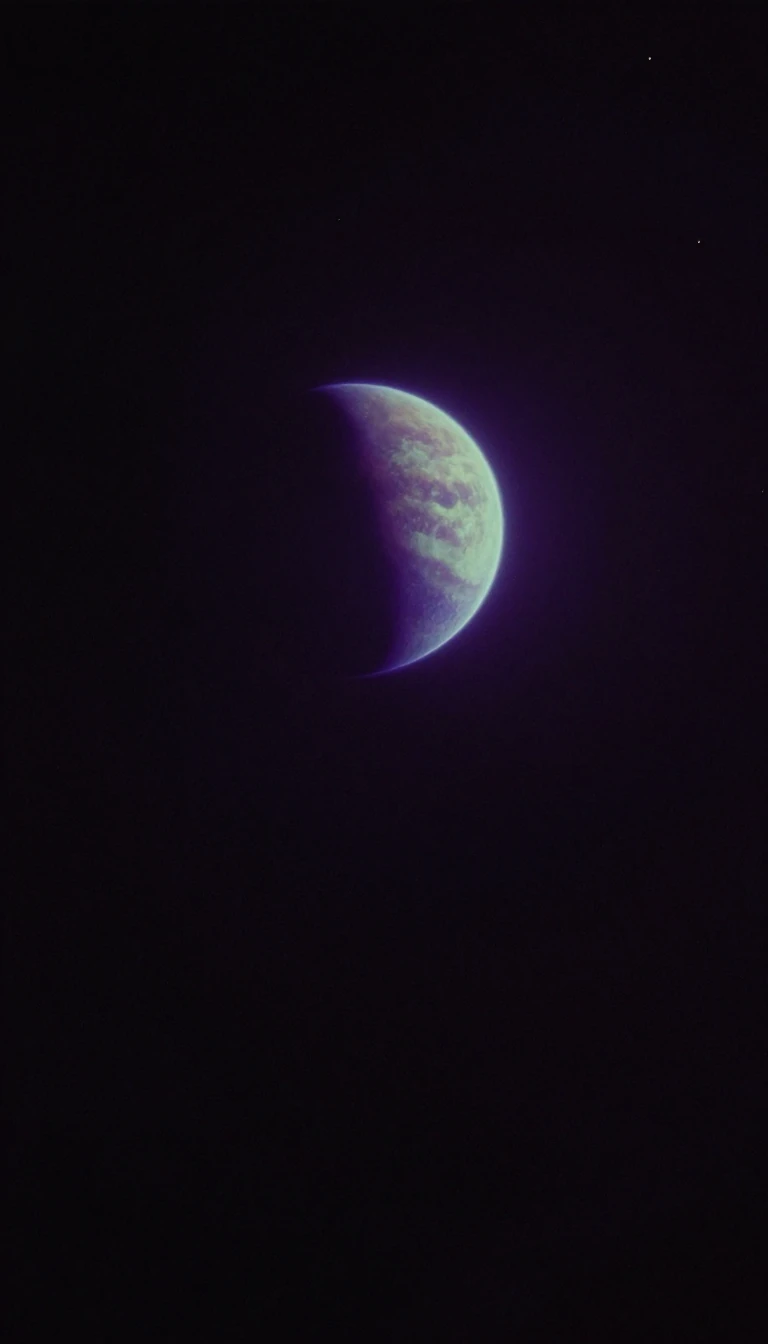
In short: While evening is often associated with winding down, it is a prime window for celestial observation. Because the Sun is near the horizon, this period offers unique opportunities to track objects orbiting close to our star, including inferior planets, elusive comets, and near-Earth asteroids that remain otherwise hidden from view.
The term evening, originating from the mid-15th century Old English word ǣfnung, is notoriously difficult to define. While social conventions often anchor it to 5 p.m. or 6 p.m., its true duration is subjective, fluctuating based on geography, seasonal daylight, and individual lifestyle. It occupies the transitional space between the end of the afternoon and the onset of night, often concluding around 9 p.m. or whenever one retires for the day.
For astronomers, this period of twilight is far from a time of rest. Despite the challenges of fading light, evening provides the optimal conditions for viewing Mercury and Venus, the inferior planets that orbit closer to the Sun than Earth. Because these bodies are perpetually near the Sun from our perspective, they are best observed when the Sun itself is obscured by the horizon, preventing its glare from washing out their presence.
Beyond the planets, evening is a critical window for hunting comets and near-Earth asteroids. As comets approach the Sun, their tails become increasingly prominent, making the evening sky an ideal hunting ground. Similarly, twilight is the preferred time to search for asteroids orbiting inside Earth's path. In mid-latitudes, observers can even witness the zodiacal light—a faint, triangular glow caused by sunlight reflecting off interplanetary dust—most clearly during spring evenings around the time of the equinox.
This temporal niche is not just for humans; it is a fundamental aspect of biological rhythm. Many species are classified as crepuscular, meaning they have evolved to be primarily active during the early morning and evening hours. Whether for the astronomer tracking a near-Earth object or the crepuscular animal navigating the transition between day and night, the evening serves as a distinct, high-activity phase of the daily cycle.
Opens the Intellect+ feed with this card first. Swipe up for the next one.
Sources
- Summary by Intellect · source: Evening
To cite this card, link to https://intellectplus.co.uk/app/space-evening.
How we source, check and correct cards: Editorial standards.
General information, not professional advice. Spotted an error? Flag the card or see corrections and complaints.
Intellect Plus is a visual educational discovery platform for exploring fascinating facts and ideas. Brain Food, Not Brain Rot. What is Intellect Plus?
Related
More in Celestial mechanics · More in Space · Latest · A–Z · All topics
