 Intellect Plus
Cultures
14,790 cards. Each one is a 40-second story with a five-minute read behind it. Page 234 of 247.
Subtopics: African cultures · Ancient peoples · Anthropology · Arab & Persian culture · Asian folklore · Australian & Pacific cultures · Calendars & new year · Celtic mythology · Chinese culture · Clothing and fashion · Communication · Culture · Culture of Korea; Culture of South Korea · Education · Egyptian mythology · Endangered languages · Ethnology · Ethnology and anthropology · Etiquette & manners · Fairy tales & folk tales · Fashion through the ages · Festivals & celebrations · Folk dance · French & Italian culture · Hairstyles & jewellery · Handicrafts · Indian culture · Indigenous cultures of the Americas · Japanese culture · Journalism and mass media · Language · Language families · Language learning · Languages · Latin American culture · Legendary creatures · Nordic culture · Norse mythology · Peoples & civilisations · Pilgrimage & sacred journeys · Proverbs & idioms · Public holidays · Russian & Eastern European culture · Sign languages · Superstitions · Traditional dress · Traditional games · Traditions & customs · UK & Irish culture · US culture · Weddings · Writing systems
 Did the first Europeans arrive in New Zealand as mythical goblins?The term Pākehā is often misunderstood as a slur, but its origins may lie in a supernatural encounter. When European sailors first rowed toward the shore, facing backward in their…
 The world’s largest tribal society is far older than modern borders suggestSpanning the rugged terrain between Afghanistan and Pakistan, the Pashtun people represent a massive, complex network of 350 to 400 tribes. From ancient Sanskrit hymns to the expa…
 Why the Canadian House of Commons slams its doors during ceremoniesIn the Canadian Parliament, a symbolic door slam serves as a powerful reminder of legislative independence. This ritual, performed by the Usher of the Black Rod, highlights the hi…
 The ancient maritime highway that shaped the Philippine archipelagoLong before modern borders, a vast sea-based trade network moved precious stones across the waves. Known as the Maritime Jade Road, this prehistoric system connected distant islan…
 From Odin’s sacred sanctuary to a global leader in roboticsLong before it became a high-tech hub for modern machinery, Odense was a site of ancient Norse worship. This Danish city has survived royal rivalries, devastating fires, and the d…
 The world's northernmost capital is a thriving hub of indigenous identityAt 64°11' N, Nuuk sits further north than Reykjavík. While many global cities struggle with cultural erasure, this Greenlandic capital maintains a profound connection to its Inuit…
 The Great Shrinking: How one Canadian territory lost half its landOnce a vast expanse covering much of modern Canada, the Northwest Territories has been steadily whittled away. From its massive 19th-century borders to its current boundaries, the…
 The world's most isolated tribe lives in a strictly enforced exclusion zoneDeep in the Bay of Bengal, North Sentinel Island remains a sovereign anomaly. Protected by the Indian Navy, this forested territory is home to the Sentinelese, a hunter-gatherer c…
 The linguistic evolution that separated the North Germanic languages from their neighborsWhile English and German share deep roots with the Nordic languages, a distinct identity emerged in Northern Europe. Understanding how these tongues diverged requires looking past…
- The nomadic empire that shaped the Eurasian steppeFrom the Golden Horde to the Ottoman Empire, the Nogai people have navigated centuries of displacement and conquest. Once a powerful force of kingmakers and cavalry, their history…
- The waters joining in the night: meeting the new Māori QueenWhen her grandmother heard of her birth, a name was chosen to reflect a midnight meeting of rivers. Now, Nga wai hono i te po has ascended the throne, representing a powerful cont…
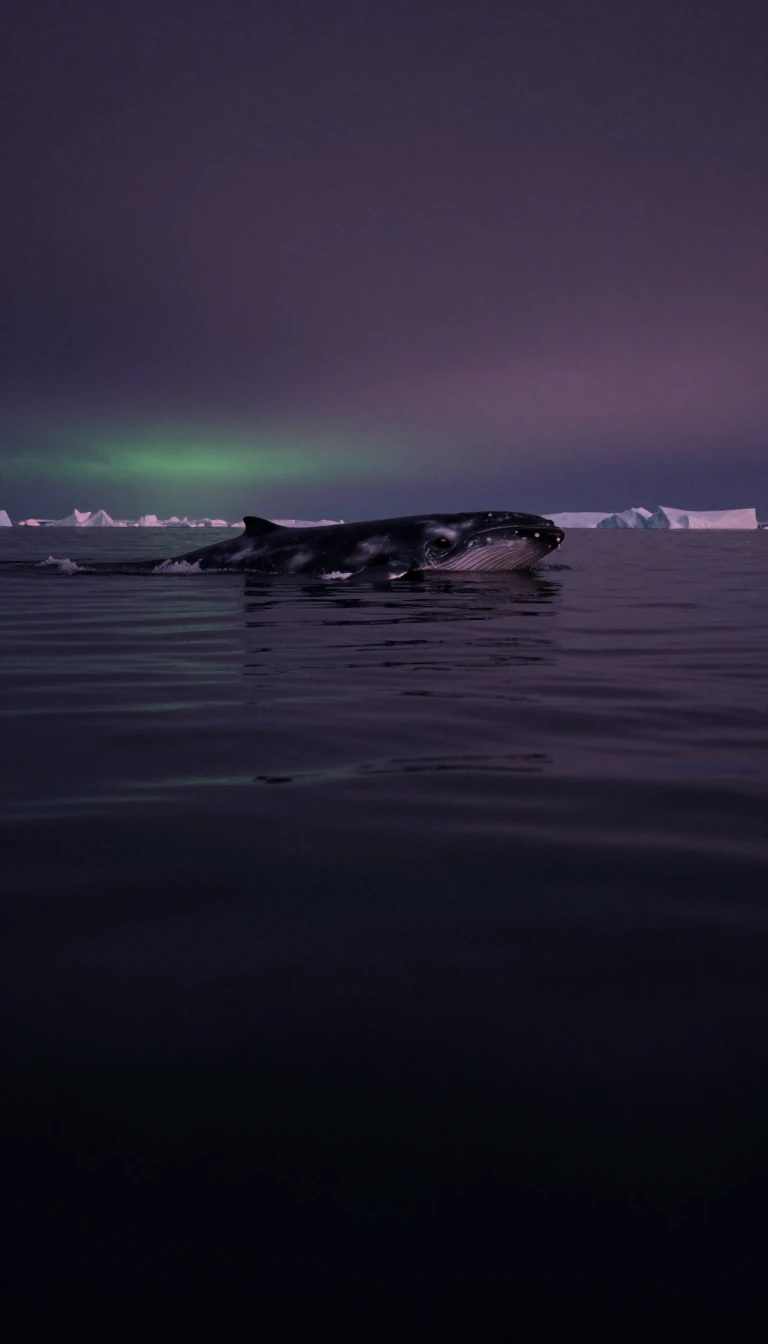 The Arctic's 'corpse-whale' uses a sensory sword to navigate the deepKnown as the 'unicorn of the sea,' the narwhal possesses a spiralled tusk that is far more than a decorative weapon. This extraordinary organ is a highly sensitive sensory tool, c…
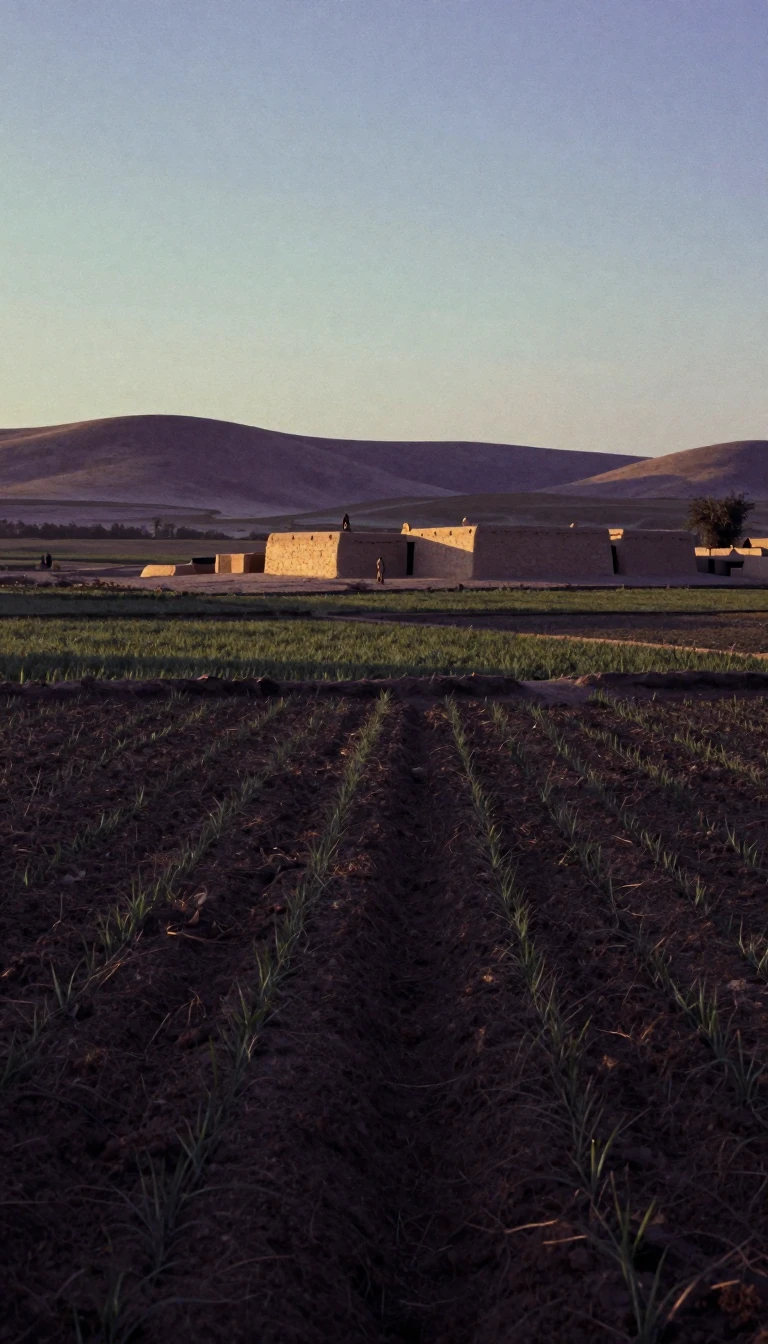 The linguistic clarity of a civilization that shaped MexicoThe Nahua are not just the people behind the Aztec Empire. From the deserts of Aridoamerica to the heart of Mesoamerica, their language—meaning 'to speak clearly'—once served as t…
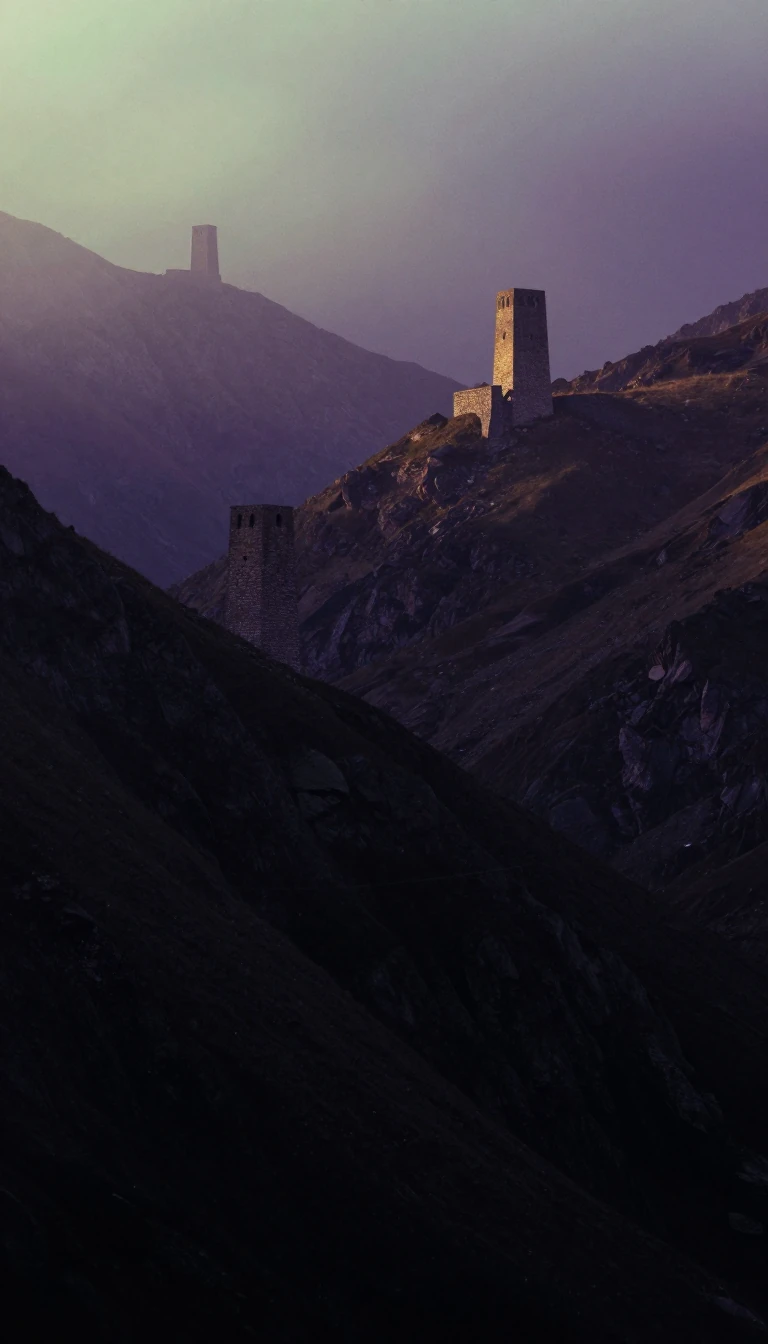 How a Persian diaspora survived the Caucasus through cavalry and clever identityTracing their roots to ancient Persia, the Mountain Jews navigated centuries of upheaval. From serving as frontier guards in the Sasanian Empire to surviving Nazi occupation throu…
 The pacifist code that led to a near-extinctionIn the 1830s, the Moriori people of the Chatham Islands faced a devastating invasion. Bound by a sacred law of non-violence known as the Law of Nunuku, they chose moral integrity …
- The survival of a language once banned in the classroomIn the early 20th century, Māori children faced corporal punishment for speaking their ancestral tongue. Today, te reo Māori is an official language of New Zealand, but the path f…
 The uniquely democratic royal family of NorwayWhile most monarchies rely on ancient bloodlines, Norway’s throne is maintained by the ballot box. From Viking chieftains to a modern constitutional system, discover how a kingdom…
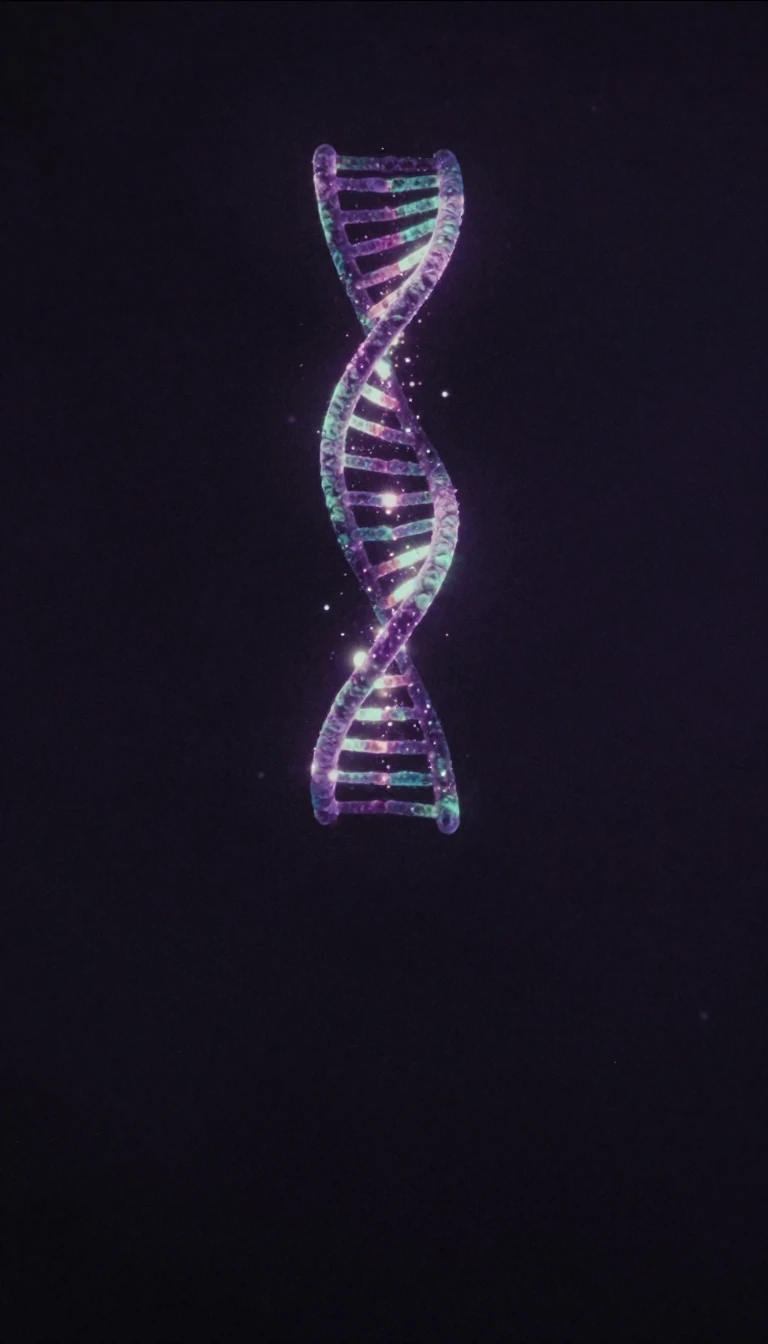 The ancient bacterial secret hidden inside your cellsMost of your genetic blueprint lives in the cell nucleus, but a tiny, circular fragment of DNA operates by its own rules. This mitochondrial genome is a relic of an ancient takeov…
 What is 'Mainland China' and why does its definition shift?The term 'Mainland China' is a geopolitical construct, not merely a map boundary. Its meaning shifts depending on whether you are referencing PRC law, historical context, or inter…
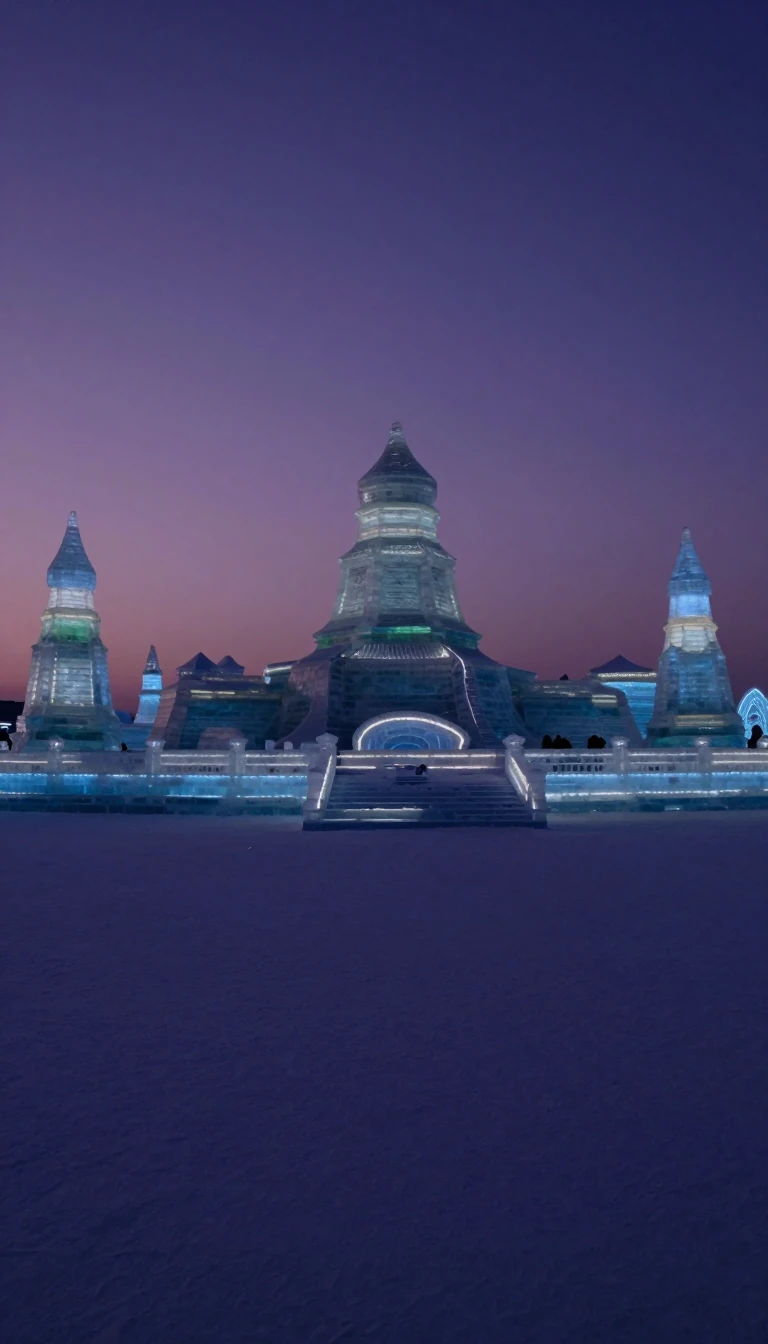 Did the Ice Sheet Sculpt Lapland's Landscape Over 10,000 Years Ago?The topography of Lapland is a complex record of immense geological forces. From the massive ice sheets of the Quaternary period to the modern-day permafrost, the land tells a sto…
 From Illiteracy to Icon: The Unlikely Ascent of Lance HenriksenBefore the acclaimed roles in sci-fi epics and genre classics, Lance Henriksen faced profound personal struggles, including illiteracy until his thirties. His journey from a troub…
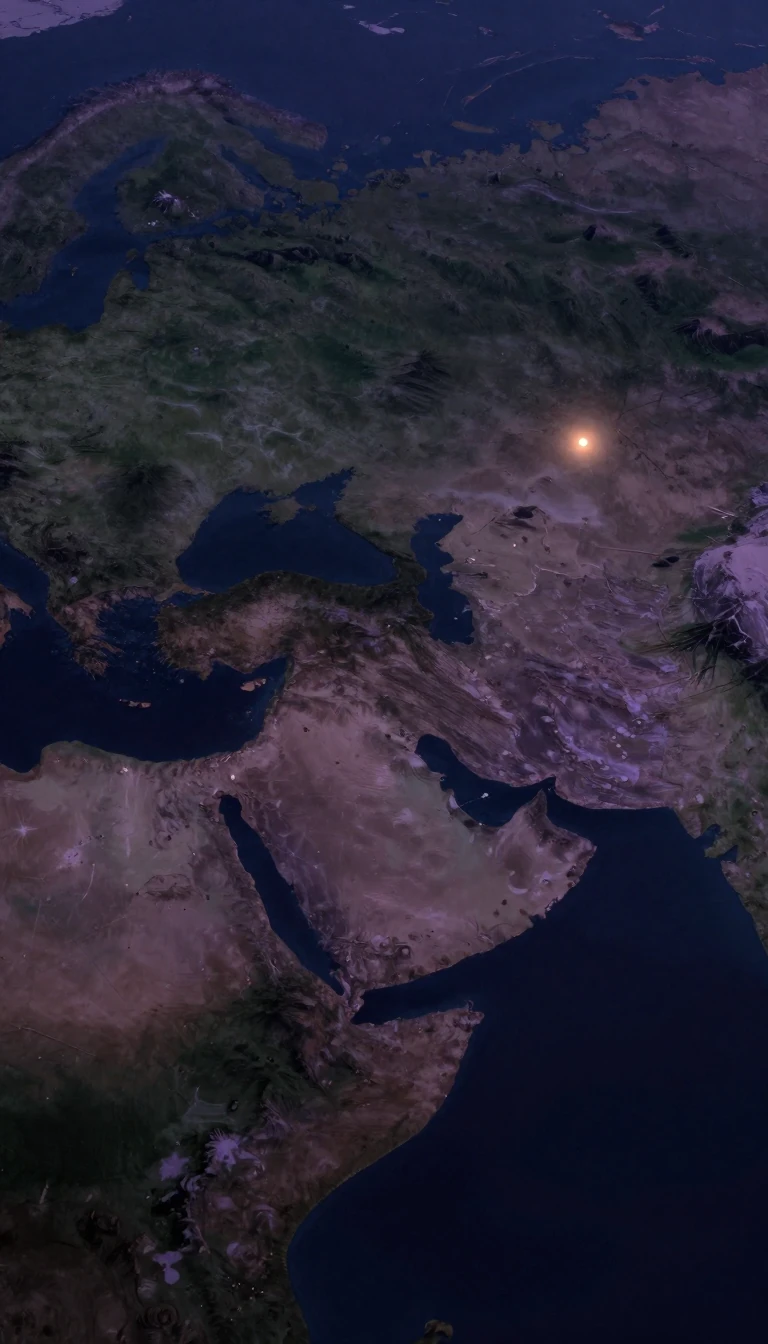 Europe’s Only Buddhist Nation: A Journey Across ContinentsHow did a nomadic people, once rooted in Central Asia, establish a distinct Buddhist culture on the edge of Europe? The Kalmyks' journey involved migrations spanning thousands of …
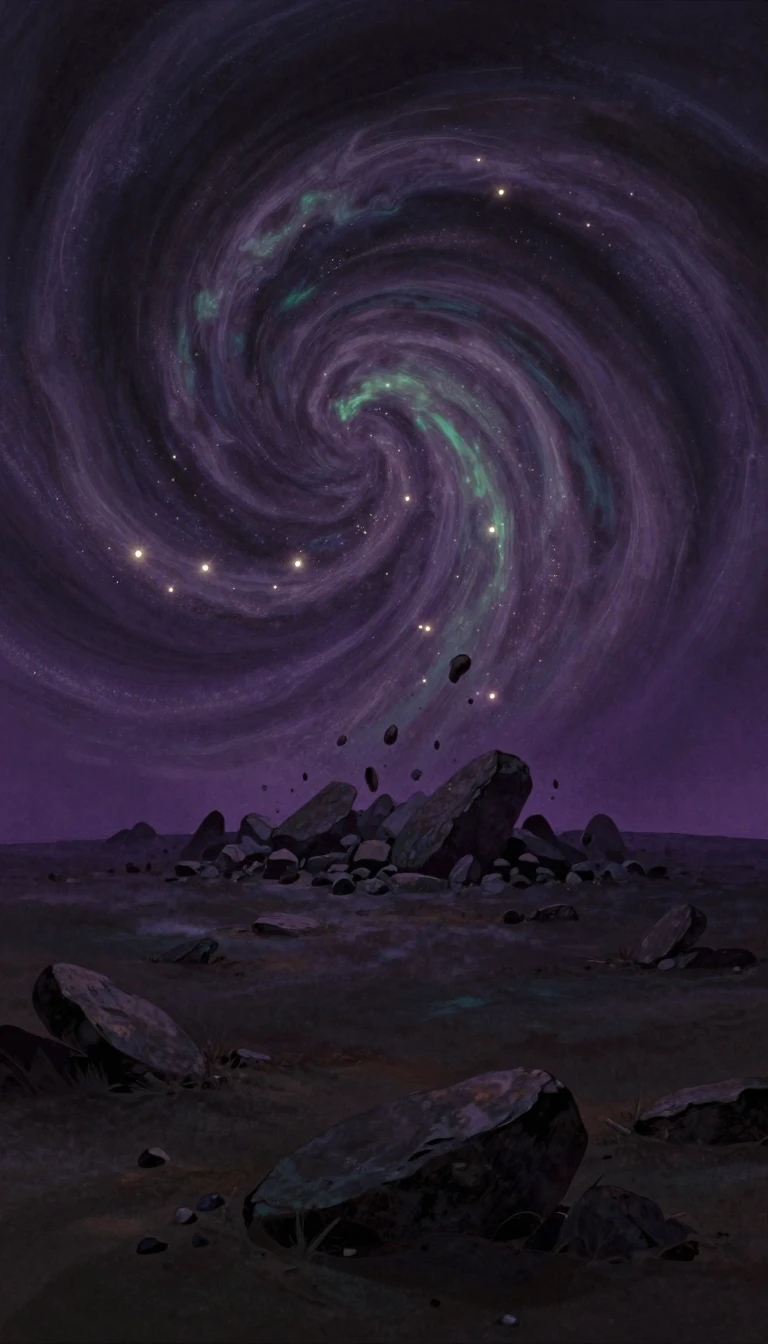 How Did One Culture Maintain Its Faith Amidst Empires and Conversion?The Kalash people maintain a unique cultural identity in Pakistan's mountainous regions. Their blend of animism and Indo-Iranian elements sets them apart from surrounding groups. …
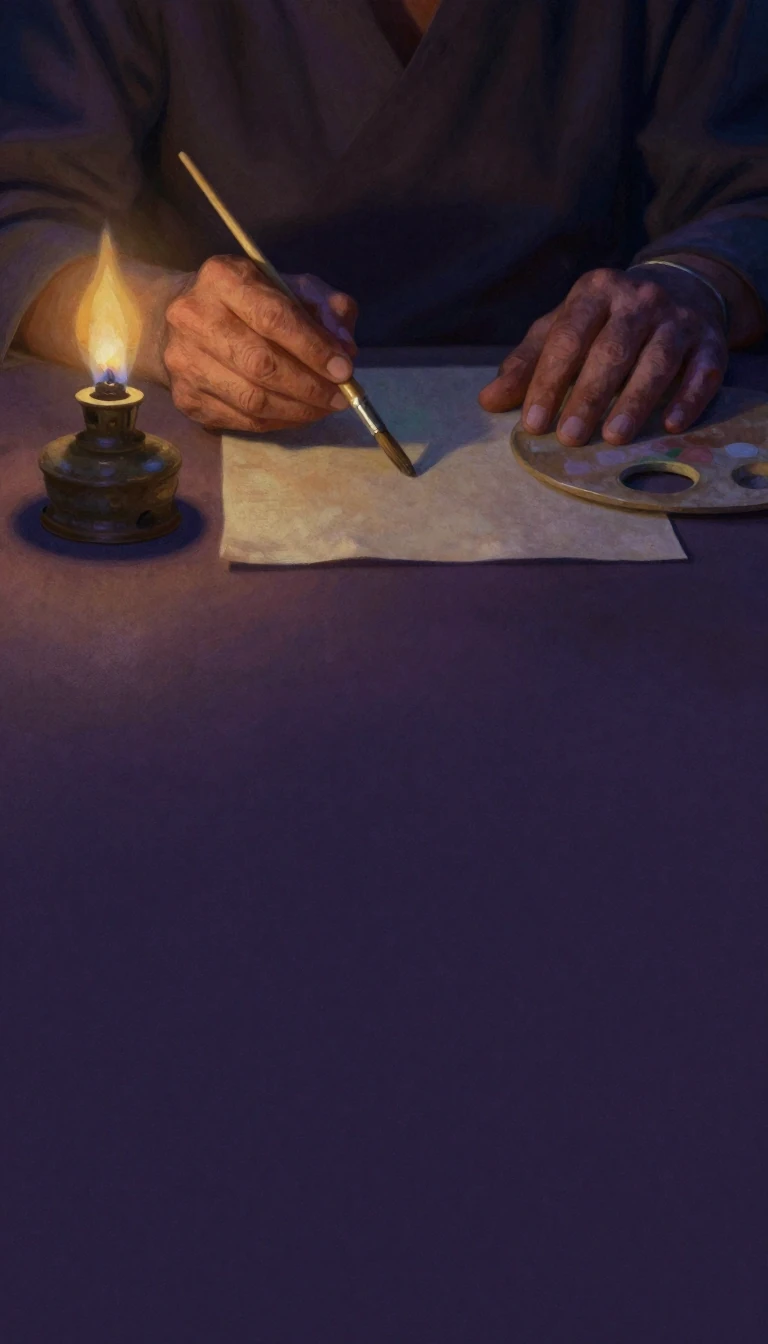 The ancient roots of the Iranian identity lie in the Eurasian steppeLong before the modern borders of Iran were drawn, a diverse collection of Indo-European tribes expanded across the vast Eurasian Steppe. From the invention of the chariot to the …
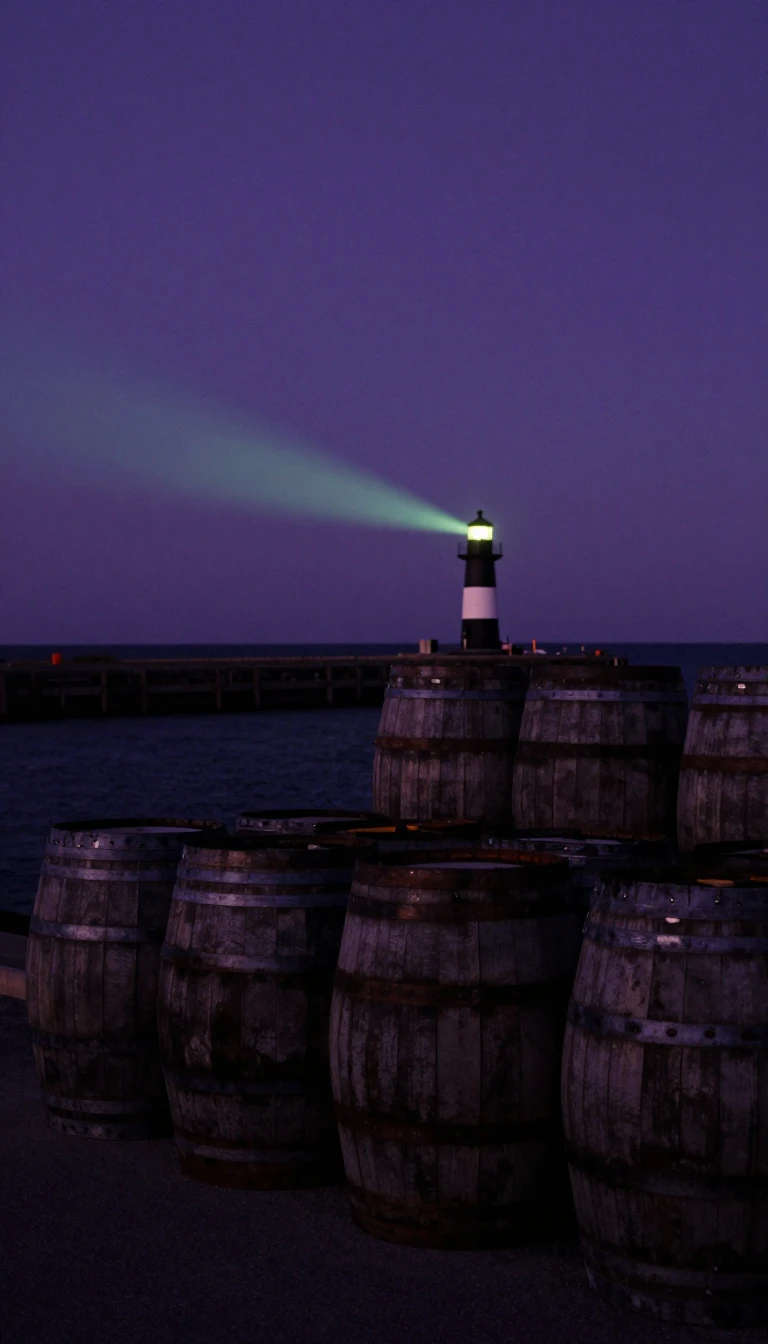 The southernmost city in the Commonwealth holds a unique liquid legacyIn the windswept corner of New Zealand, Invercargill survives through a peculiar blend of Scottish heritage and strict local laws. From a 40-year era of prohibition to a unique al…
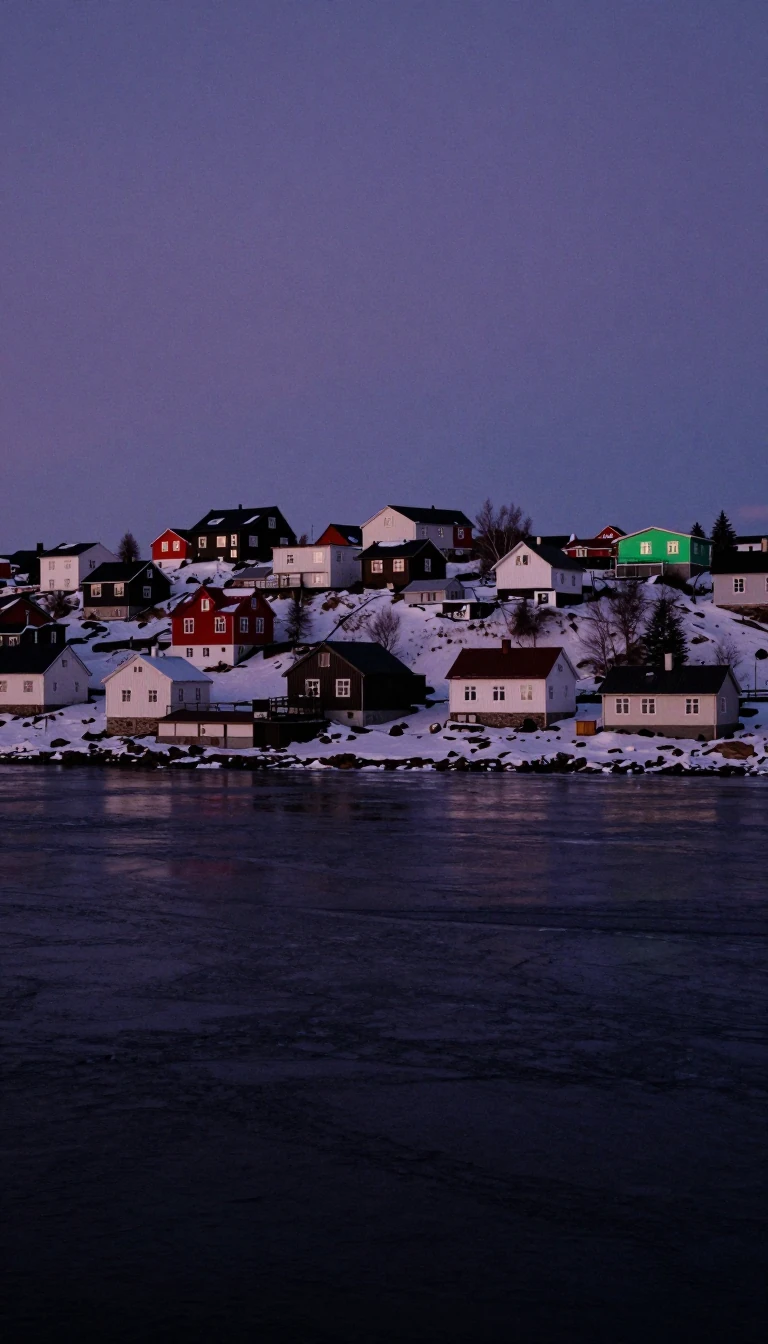 The Arctic town built to replace a flood-prone hamletIn 1953, planners conceived a new administrative centre to replace Aklavik, a settlement plagued by frequent flooding. What began as 'New Aklavik' eventually became Inuvik, a vita…
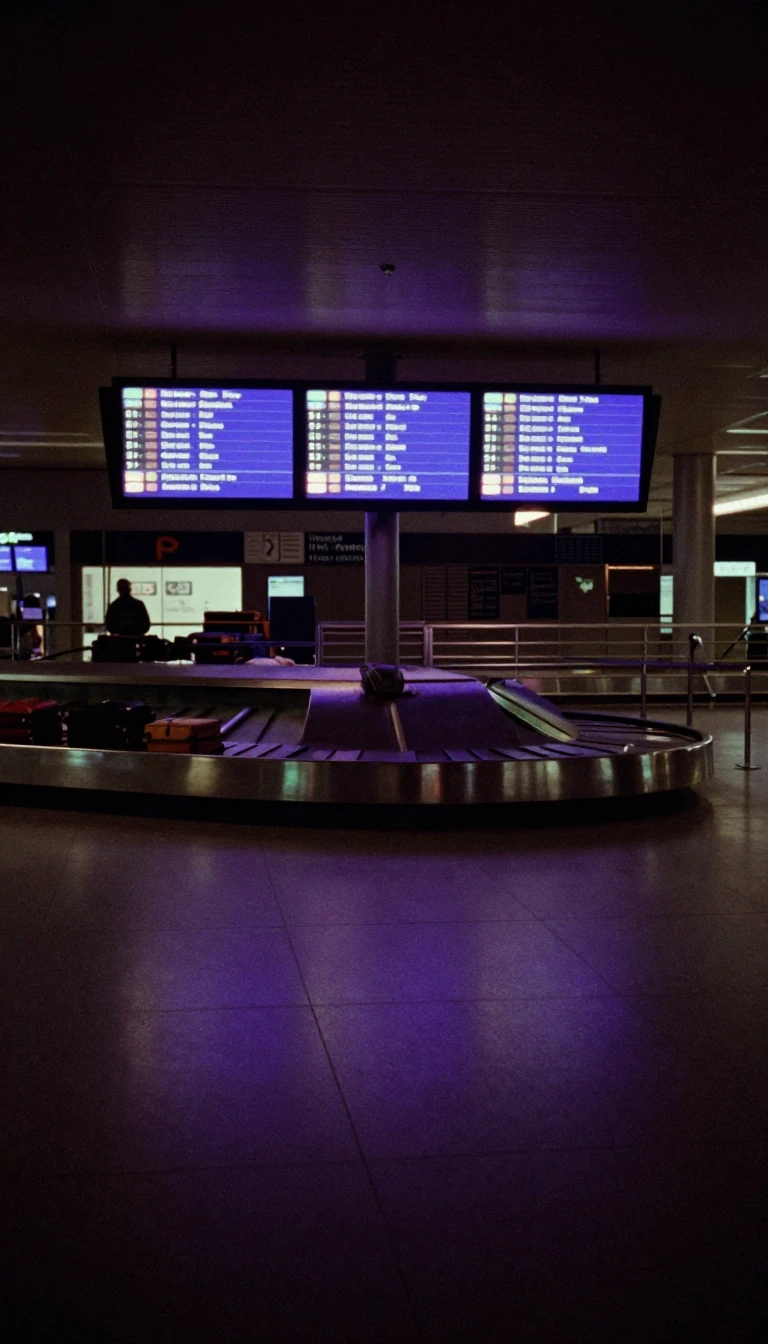 How a single word can describe an entire airport arrivalInuktitut is a linguistic powerhouse of complexity. Using a highly regular system of hundreds of suffixes, a single word can express what requires an entire sentence in English. B…
- The people of the towers: tracing the ancient roots of the IngushLong before modern borders, the Ghalghai people were known as the inhabitants of towers. From the legendary Gargareans of Greek myth to the resilient tribes of the Caucasus, their…
 The hidden architecture of language: how words change their shapeWhen you say 'cats' instead of 'cat', you aren't just adding a letter; you are performing linguistic inflection. This subtle process of modification allows a single root to expres…
 The complex math behind Mexico's indigenous identityIs the indigenous population of Mexico 15 million or 23 million? The answer depends entirely on whether you define identity through the language you speak or the heritage you clai…
- The movement to replace Columbus Day with Indigenous Peoples' DayWhat began as a 1977 diplomatic discussion in Switzerland has transformed into a significant shift in American civic life. Across many US cities and states, a holiday once dedicat…
 The incredible linguistic and genetic mosaic of New Guinea's ancient lineagesNew Guinea is home to a staggering 1,083 languages, representing 15% of the world's total. This immense diversity is the result of tens of thousands of years of human migration, c…
- The oldest human population living outside of AfricaFor over 65,000 years, the ancestors of Aboriginal Australians have inhabited the continent. While often characterized as simple hunter-gatherers, new evidence suggests a complex …
 The sacred life force: why ancient civilizations turned to ritual murderFrom the burial of kings in Mesopotamia to the temples of the Aztecs, human sacrifice was rarely just about violence. It was a calculated attempt to appease gods, ensure fertility…
- The ancient Vedic religion was not the Hinduism we recognize todayWhile modern Hinduism is often seen as an ancient monolith, its predecessor, the Vedic religion, was a distinct, polytheistic system. It lacked the famous concepts of reincarnatio…
 How a 1972 university movement became a parliamentary powerhouseBorn from a 1972 student movement at Victoria University, the Green Party of Aotearoa New Zealand has evolved from a niche environmental group into a major political force. Throug…
- The complex history of Greenland's Inuit: from Thule migrations to the Spiral CaseThe Greenlandic Inuit are not a single monolith, but a tapestry of distinct groups shaped by migration, colonial shifts, and a controversial medical history. From the arrival of t…
- The many faces of Gawain: from Welsh warrior to Arthurian villainHe is one of the most famous Knights of the Round Table, yet his character is a literary chameleon. Depending on which medieval manuscript you read, Gawain is either a peerless, c…
 Is the Irish language facing a terminal tipping point?In the Gaeltacht districts of Ireland, a linguistic crisis is unfolding. While these regions are officially recognized for their Irish-speaking heritage, recent research suggests …
 How a corporate debate over a sequel led to a billion-dollar masterpieceIn 2015, Disney executives were deeply divided. They feared a sequel might tarnish the legacy of the original phenomenon. Instead, the production team used advanced technology and…
 The French identity is a paradox of unified nationhood and fragmented originsWhile the French are deeply conscious of belonging to a single nation, they do not constitute a unified ethnic group. From Gallo-Roman roots and Germanic tribes to Viking settlers…
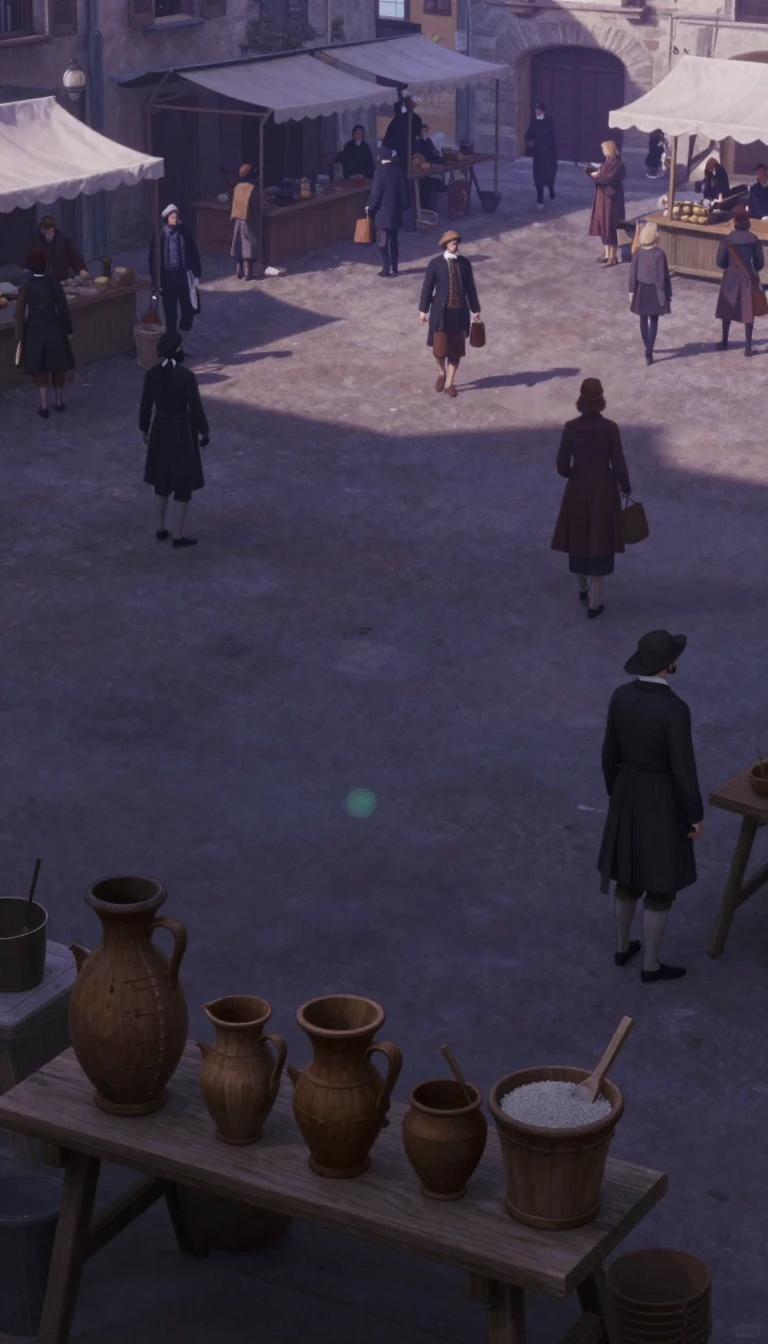 How a 17th-century colonial outpost became a resilient cultural powerhouseFrom the fur trading posts of 1608 to the modern streets of Quebec, the story of French Canadians is one of survival. Despite British conquest and massive migrations, this distinc…
- Were the Fomorians monsters or merely the first inhabitants of Ireland?Ancient Irish myths describe a terrifying race of undersea giants and sea raiders. Yet, beneath the monstrous imagery of one-eyed titans lies a complex history of migration, dynas…
- The oral archives that survived the arrival of the written wordLong before European explorers brought written records to North America, Indigenous nations maintained sophisticated histories through oral tradition. These accounts were not mere…
- The mysterious origins of a language that defies the European normWhile most European languages belong to the Indo-European family, Finnish stands apart. Rooted in the Uralic family alongside Hungarian, its history is a complex tapestry of ancie…
- Is the Finno-Ugric language family actually a linguistic myth?For decades, linguists have grouped Hungarian, Finnish, and Estonian into a single family. But new evidence suggests this 'Finno-Ugric' branch might not be a historical lineage at…
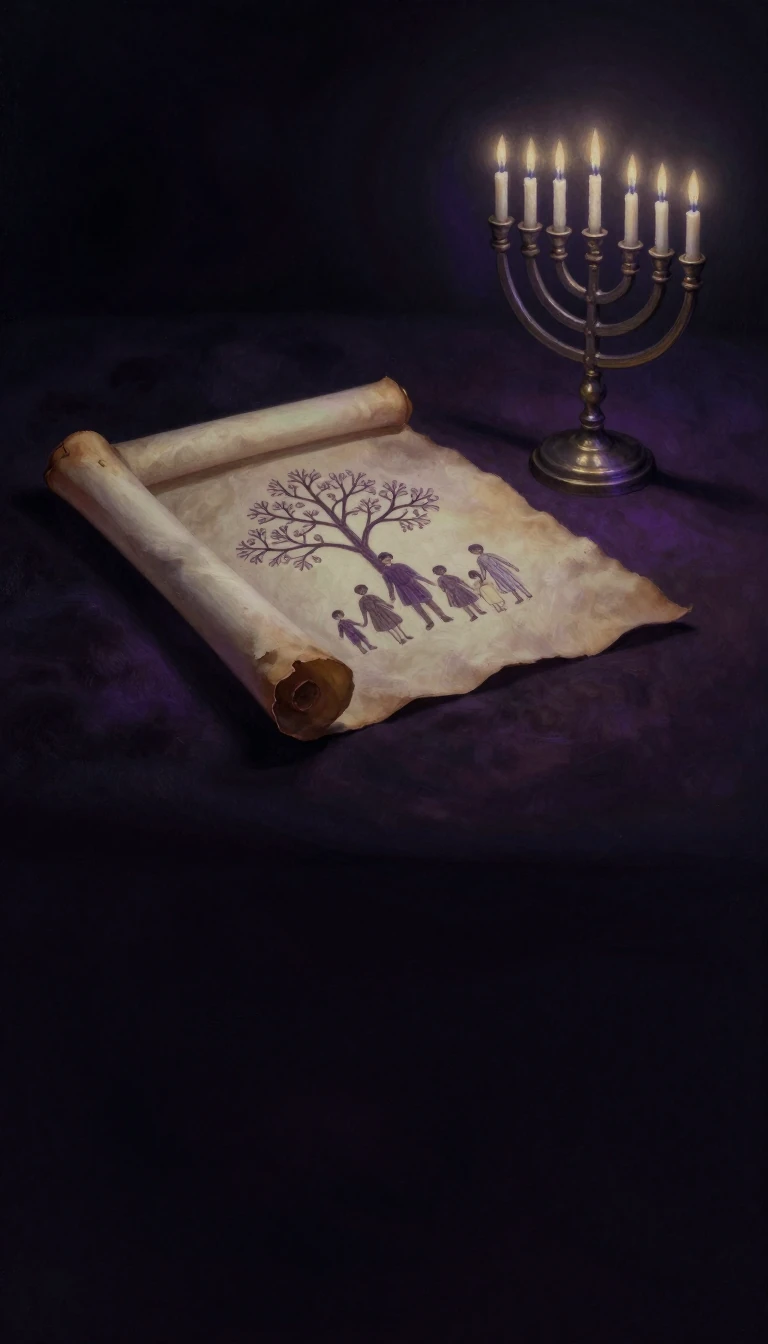 The world's longest family tree spans over 80 generationsWhile we often think of family trees as simple charts, some lineages are massive, global networks. From the 2 million members of the Confucius genealogy to the complex genetic map…
- When religion and ethnicity become inseparable identitiesWhat happens when your faith is not just what you believe, but who you are? For ethnoreligious groups, religious affiliation and ethnic heritage are fused, creating a distinct soc…
 Is nationality defined by the soil you stand on or the blood in your veins?While we often view citizenship as a legal status, many nations define their very existence through shared ancestry and language. This is ethnic nationalism—a powerful, widespread…
 The complex tapestry of Europe's 160 distinct cultural groupsEurope is far more than a collection of modern borders. From the linguistic isolates of the Pyrenees to the vast Indo-European branches, the continent is a mosaic of roughly 160 c…
 Was the English identity forged by invasion or gradual cultural absorption?For centuries, historians debated whether Anglo-Saxon tribes wiped out the native Britons or simply took over the ruling class. New genetic evidence and linguistic patterns sugges…
 The plural name that speaks of a single GodIn the Hebrew Bible, the word Elohim is grammatically plural, yet it almost always refers to a single deity. Is this a linguistic relic of ancient polytheism, or a sophisticated '…
 The spiritual leader with no power to ruleHe is called the 'first among equals,' yet he holds no direct authority over the other Orthodox churches. Discover the complex, decentralized world of the Ecumenical Patriarch of …
 The ancient faith that refuses to change its creedWhile much of the world moves toward constant innovation, Eastern Orthodoxy preserves a thousand-year-old spiritual architecture. Built on the foundations of the first seven ecume…
 Can Citizens Truly Govern Without Representatives? The Direct Democracy QuestionDirect democracy suggests citizens vote directly on policy, bypassing elected proxies. While ancient models like Athens are cited, modern practice often blends direct votes with r…
 The ancient Australian instrument that uses termites to create its unique soundWhile most wind instruments are crafted by human hands, the traditional didgeridoo relies on a partnership with nature. By seeking out trees hollowed by termites, Aboriginal music…
 How Does One State Govern Three Distinct Legal Worlds?The Kingdom of Denmark operates as a unitary sovereign state, yet encompasses three distinct legal systems: Denmark proper, the Faroe Islands, and Greenland. This complex arrangem…
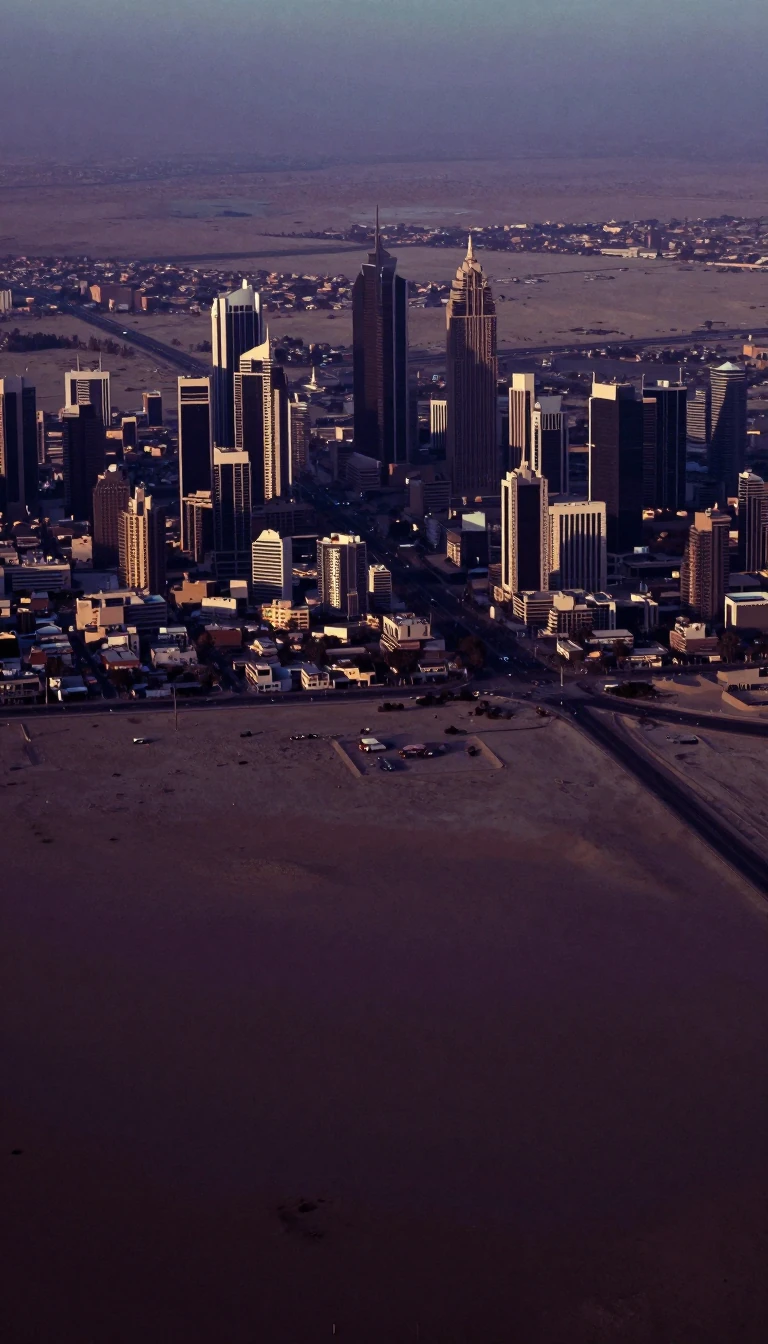 How a sparsely populated continent became one of the world's most urbanised nationsWith just 3.7 people per square kilometre, Australia is one of the planet's most empty landscapes. Yet, nearly 90% of its residents live in concentrated urban hubs, driven by mass…
 How a single company once controlled nearly the entire global diamond supplyFor much of the 20th century, one name dictated the price and availability of the world's most coveted gemstones. Through strategic mergers, aggressive stockpiling, and legendary …
 The grammar of giving: why the dative case is more than just an indirect objectWe often think of the dative case as the grammatical way to say 'to someone.' But in the ancient world, this case did much more than mark recipients; it expressed personal interes…