 Intellect Plus
Cultures
14,790 cards. Each one is a 40-second story with a five-minute read behind it. Page 220 of 247.
Subtopics: African cultures · Ancient peoples · Anthropology · Arab & Persian culture · Asian folklore · Australian & Pacific cultures · Calendars & new year · Celtic mythology · Chinese culture · Clothing and fashion · Communication · Culture · Culture of Korea; Culture of South Korea · Education · Egyptian mythology · Endangered languages · Ethnology · Ethnology and anthropology · Etiquette & manners · Fairy tales & folk tales · Fashion through the ages · Festivals & celebrations · Folk dance · French & Italian culture · Hairstyles & jewellery · Handicrafts · Indian culture · Indigenous cultures of the Americas · Japanese culture · Journalism and mass media · Language · Language families · Language learning · Languages · Latin American culture · Legendary creatures · Nordic culture · Norse mythology · Peoples & civilisations · Pilgrimage & sacred journeys · Proverbs & idioms · Public holidays · Russian & Eastern European culture · Sign languages · Superstitions · Traditional dress · Traditional games · Traditions & customs · UK & Irish culture · US culture · Weddings · Writing systems
 The Scottish nation was forged from a complex tapestry of Picts, Gaels, and Normans.Scotland is not a monolith, but a historical amalgamation of distinct ethnic groups. For centuries, the divide between Gaelic-speaking Highlanders and Germanic-descended Lowlander…
 Why Canada’s provinces and territories are not just different names for the same thing.Canada is a federation of ten provinces and three territories, but they are fundamentally different legal creatures. While provinces derive their co-sovereign authority directly f…
 Is the United Kingdom still a Christian nation or a post-Christian society?Once a bastion of Christian identity, the United Kingdom has undergone a profound shift. With Christianity losing its majority status between 2010 and 2020, the nation now grapple…
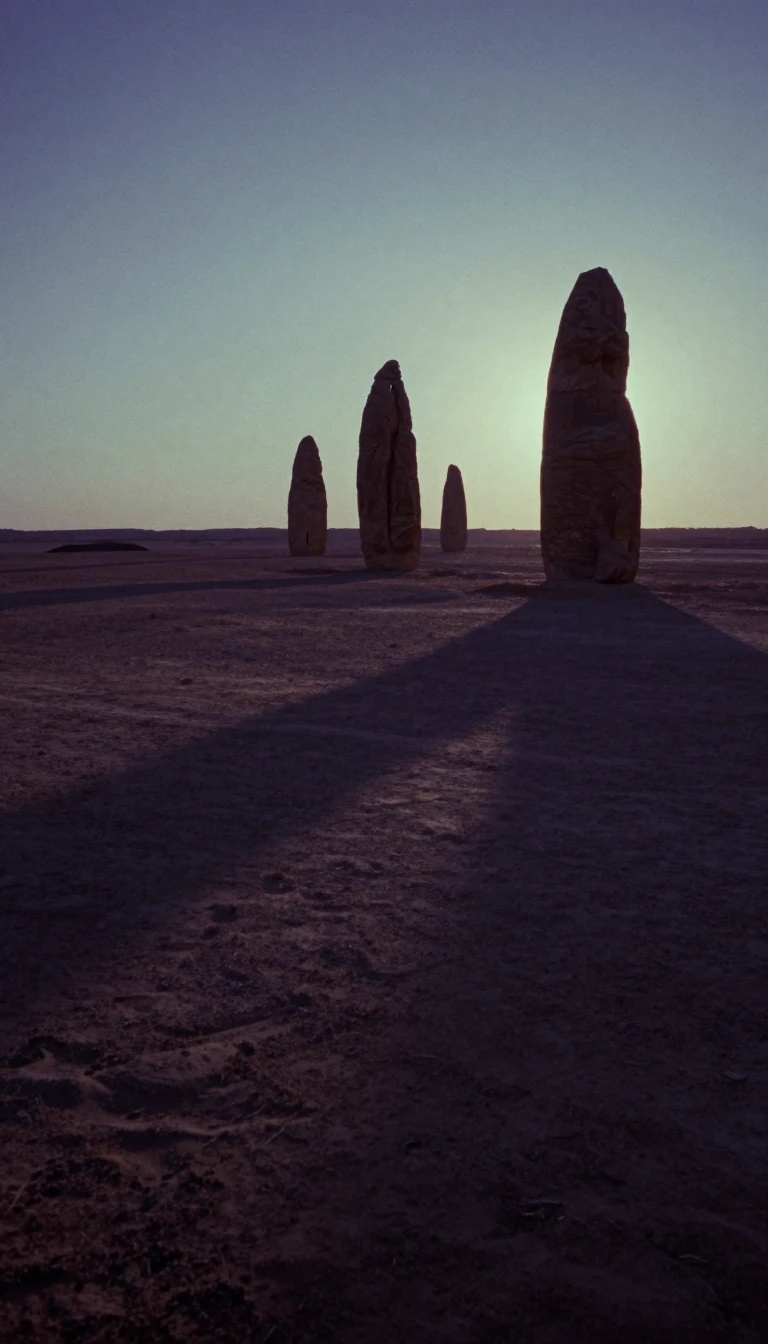 Is patriarchy a biological destiny or a social construct built over millennia?Patriarchy, the system where men hold primary authority, is often mistaken for a natural order. Yet, evidence suggests prehistoric societies were largely egalitarian. From the ris…
 New Zealand’s Prime Minister leads through unwritten custom rather than codified lawThe office of New Zealand’s prime minister is defined not by statute, but by centuries-old British constitutional conventions. From the Beehive in Wellington, the head of governme…
- The Mekong Delta is a biological treasure trove now facing an existential climate crisisSpanning over 40,500 square kilometers, the Mekong Delta is Vietnam's agricultural heartland. Yet, this low-lying region is rapidly shifting from a land-building powerhouse to an …
 The Moro people: A centuries-long struggle for identity in the southern PhilippinesThe Moro are the 13 Muslim-majority ethnolinguistic groups native to Mindanao, Sulu, and Palawan. Once independent under powerful sultanates, they have spent centuries resisting c…
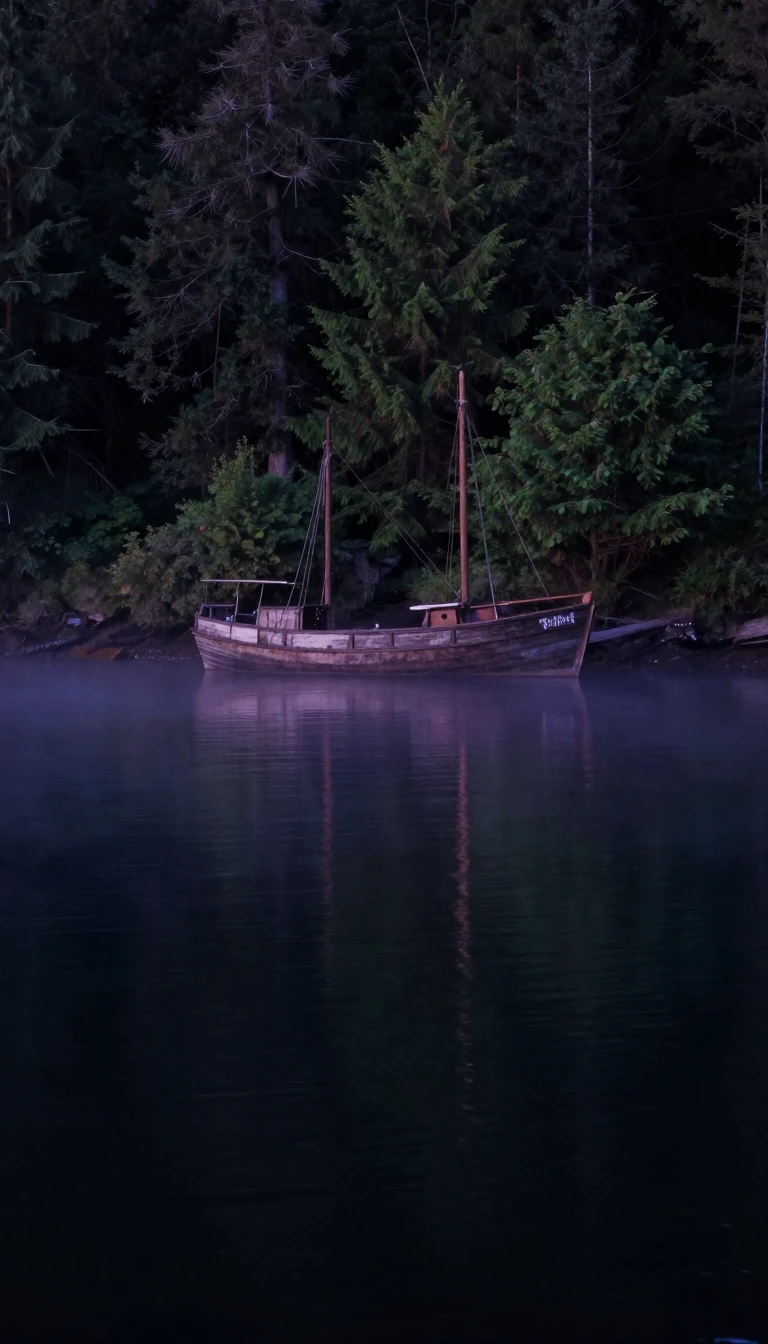 A remote Pacific island transformed from a brutal penal colony into a unique cultural enclave.Norfolk Island, a tiny volcanic territory in the Pacific, has endured a turbulent history. Once a 13th-century Polynesian settlement, it later served as a notorious British prison…
 Defining Northern Europe: A Region Shaped by Glaciers, Language, and Shifting BordersNorthern Europe defies a single definition. Depending on whether you consult the United Nations, the CIA, or botanical databases, the region’s borders expand and contract. From th…
 Toowoomba: A city defined by its mysterious name and a violent colonial past.Perched on the Great Dividing Range, Toowoomba is Australia’s second-largest inland city. While today it is celebrated as a garden capital, its origins are rooted in a brutal fron…
- The vast, volcanic archipelago that pioneered the world’s first long-distance maritime trade networks.Spanning over 25,000 islands, Maritime Southeast Asia is a biodiversity hotspot and the ancestral home of the Austronesian peoples. Long before European explorers arrived, these m…
 How Australia's Seven Network evolved from independent local stations into a national media powerhouse.Born in the 1950s as a fragmented collection of local VHF stations, the Seven Network navigated decades of corporate takeovers, media magnate rivalries, and technological shifts. …
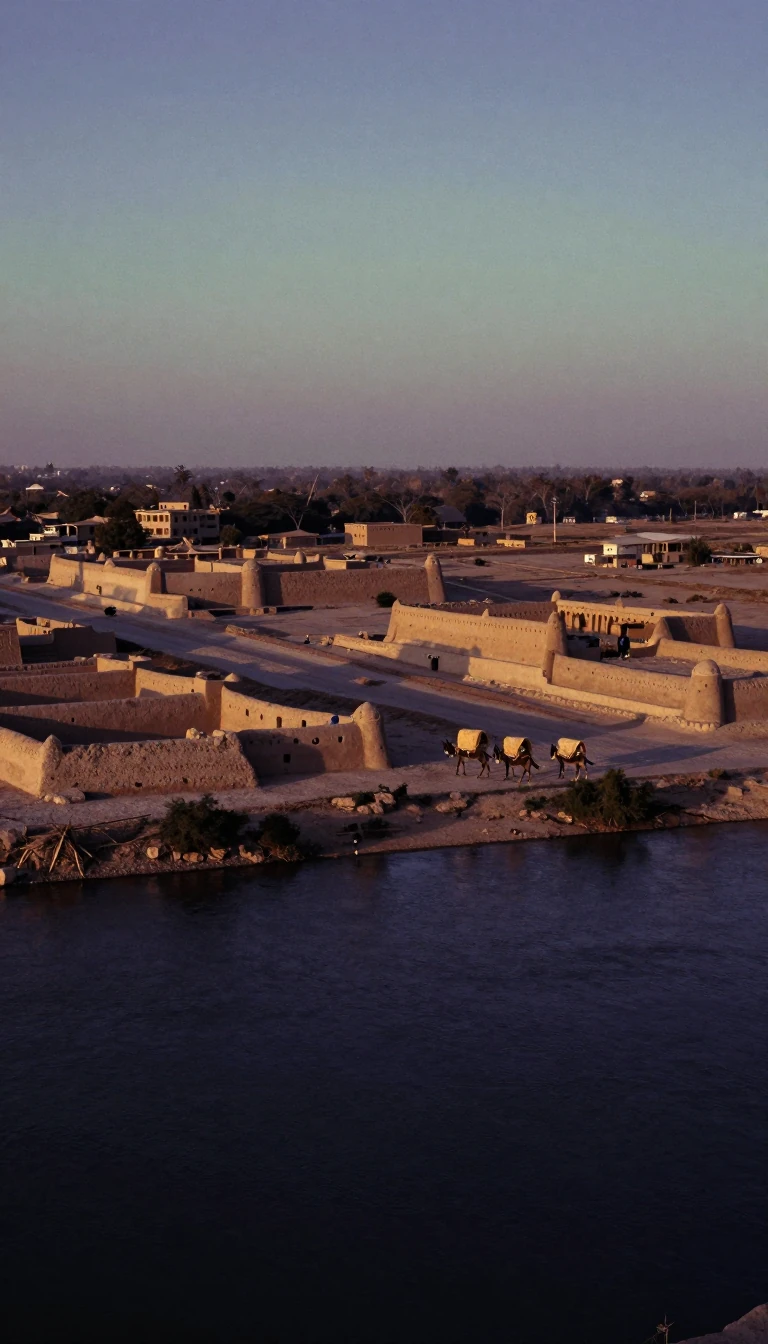 Why this Australian regional hub once vied to become the nation's capital cityStraddling the Murrumbidgee River, Wagga Wagga is a major agricultural and military centre in New South Wales. Once a contender for the national capital due to its strategic locat…
 How a rejected satellite contract birthed India's first private television networkIn 1991, Subhash Chandra was the last man willing to pay for a satellite transponder that no one else wanted. By gathering funds from friends, he launched Zee TV, transforming Ind…
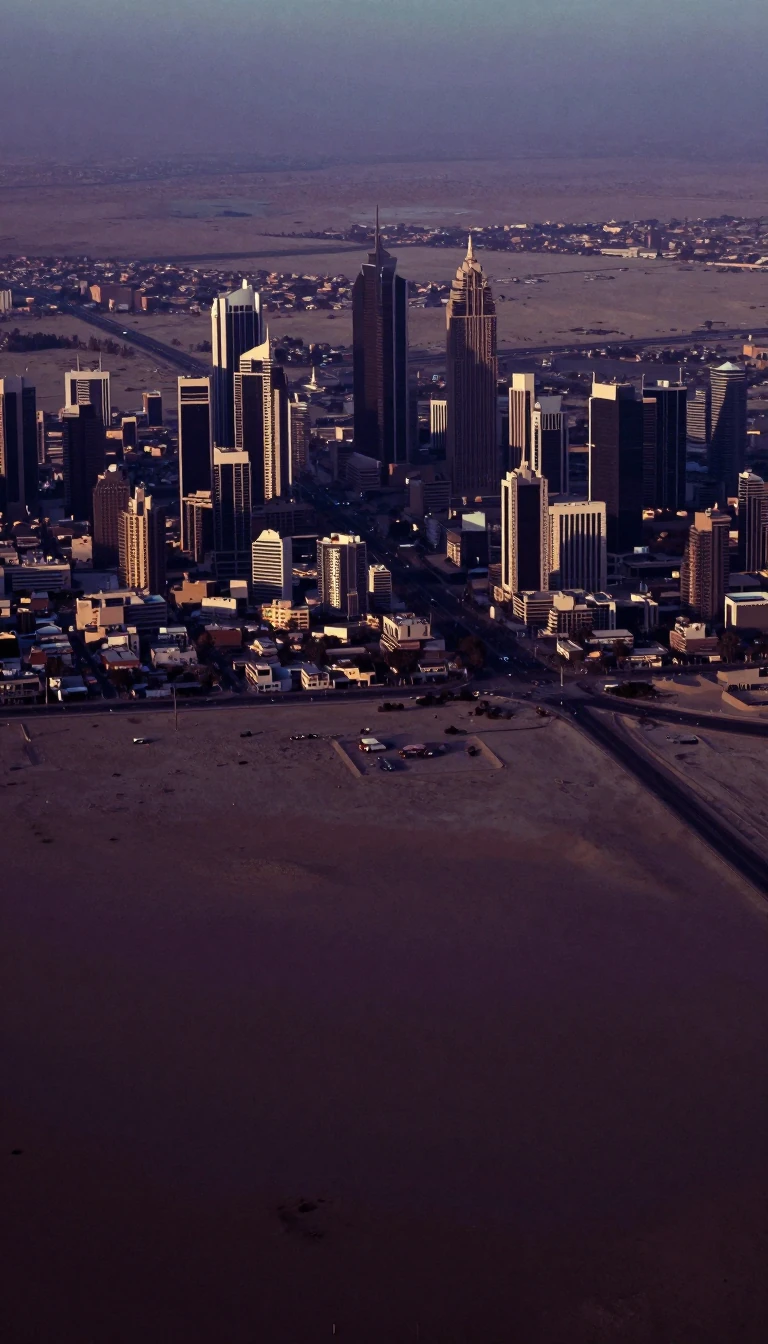 Australia's longest-lived mining city was founded on a hill that no longer existsBroken Hill, a remote outback city, owes its existence to a massive silver, lead, and zinc deposit discovered in 1883. The jagged ridge that gave the town its name was entirely ex…
 The Indian diaspora is the world's largest, with 35.4 million people living abroad today.Spanning from ancient merchant networks in Central Asia to the massive waves of indentured laborers under British colonial rule, the Indian diaspora is a global force. Today, 2.5 …
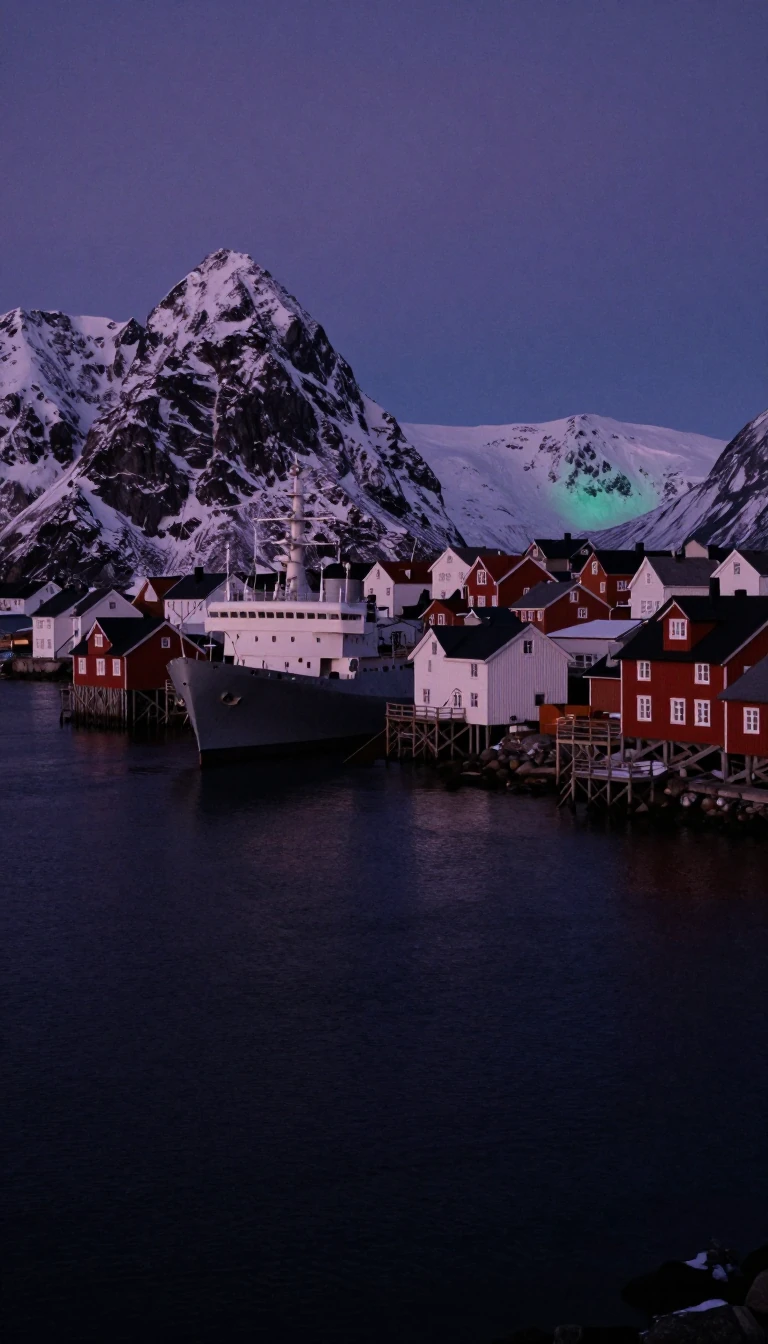 From a 1733 squadron to a nuclear-powered Arctic powerhouse, the Northern Fleet's evolution.The Russian Northern Fleet is not merely a naval unit; it is a strategic entity that has defined Russia's Arctic presence for centuries. From its humble 18th-century origins prote…
 Desi: How a Sanskrit word for 'country' became a global identity for millionsTracing its roots to ancient Sanskrit, the term Desi has evolved from a regional descriptor into a powerful, contested identity for the South Asian diaspora. Whether used to recla…
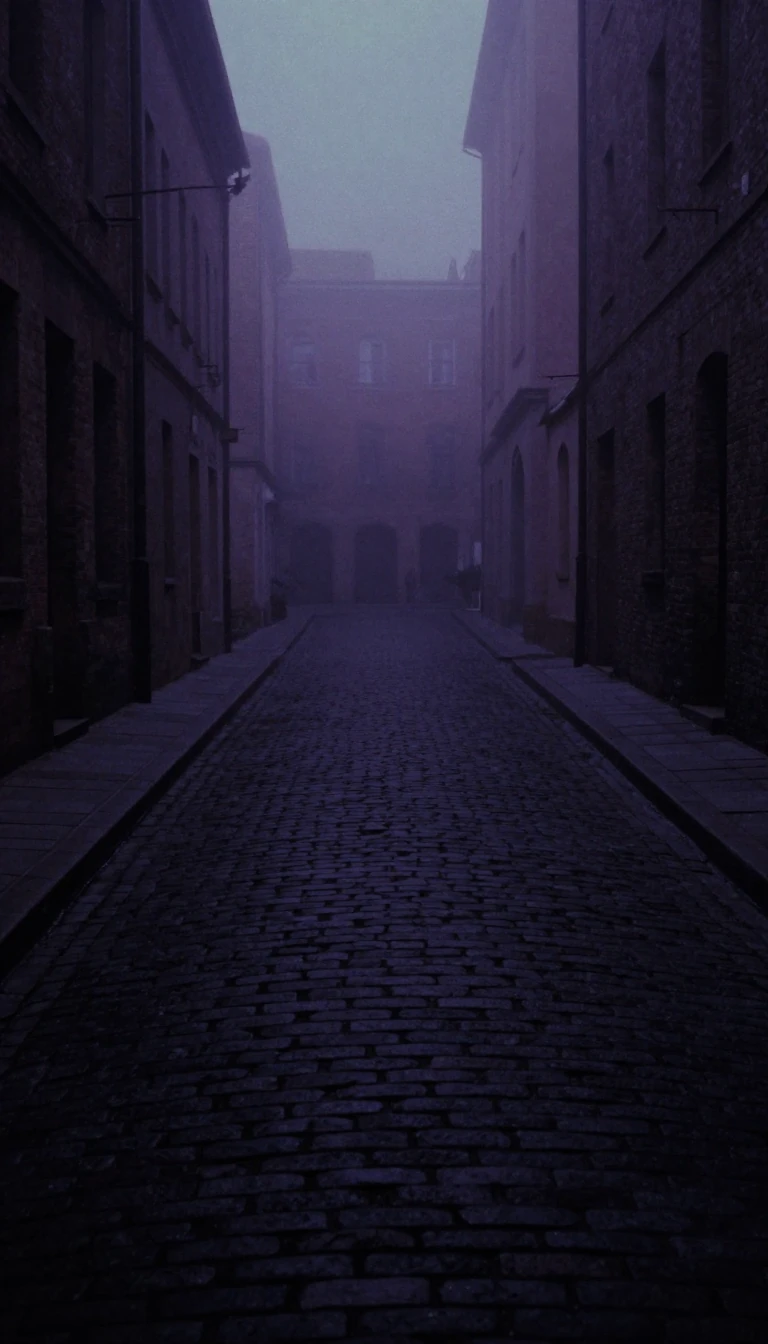 How a humble chapel gave its name to the heart of London's East EndWhitechapel began as a simple chapel of ease on a Roman road, but it evolved into a global symbol of urban struggle and transformation. From the infamous Jack the Ripper murders t…
 The hidden hierarchy of the Irish Republican Army's guerrilla warWhile the IRA claimed a massive strength of 70,000 members, only a tiny fraction actually engaged in combat. Behind the headlines of the War of Independence lay a complex, three-t…
 Is Shoreditch named after a royal mistress, a ditch, or a forgotten lord?The origins of London's Shoreditch are shrouded in competing myths and etymological debates. While folk legends point to a tragic royal mistress, scholars argue over whether the n…
 The word thesaurus originally meant a treasure house, not a book of synonyms.Before Peter Mark Roget redefined the term in 1852, a thesaurus was simply a storehouse or treasury of knowledge. For centuries, the title was applied to encyclopedias and diction…
 The thousand-year-old monastic republic where women are forbidden and time stands stillMount Athos is a self-governed peninsula in Northern Greece, home to 20 ancient monasteries and 2,000 monks. This Eastern Orthodox enclave operates under its own legal jurisdictio…
 Sibiu: The Transylvanian City Where Medieval German Roots Meet Modern Romanian CultureNestled in the heart of Romania, Sibiu is a city defined by its layered history. Once the primary administrative hub for Transylvanian Saxons, it now stands as a vibrant cultural …
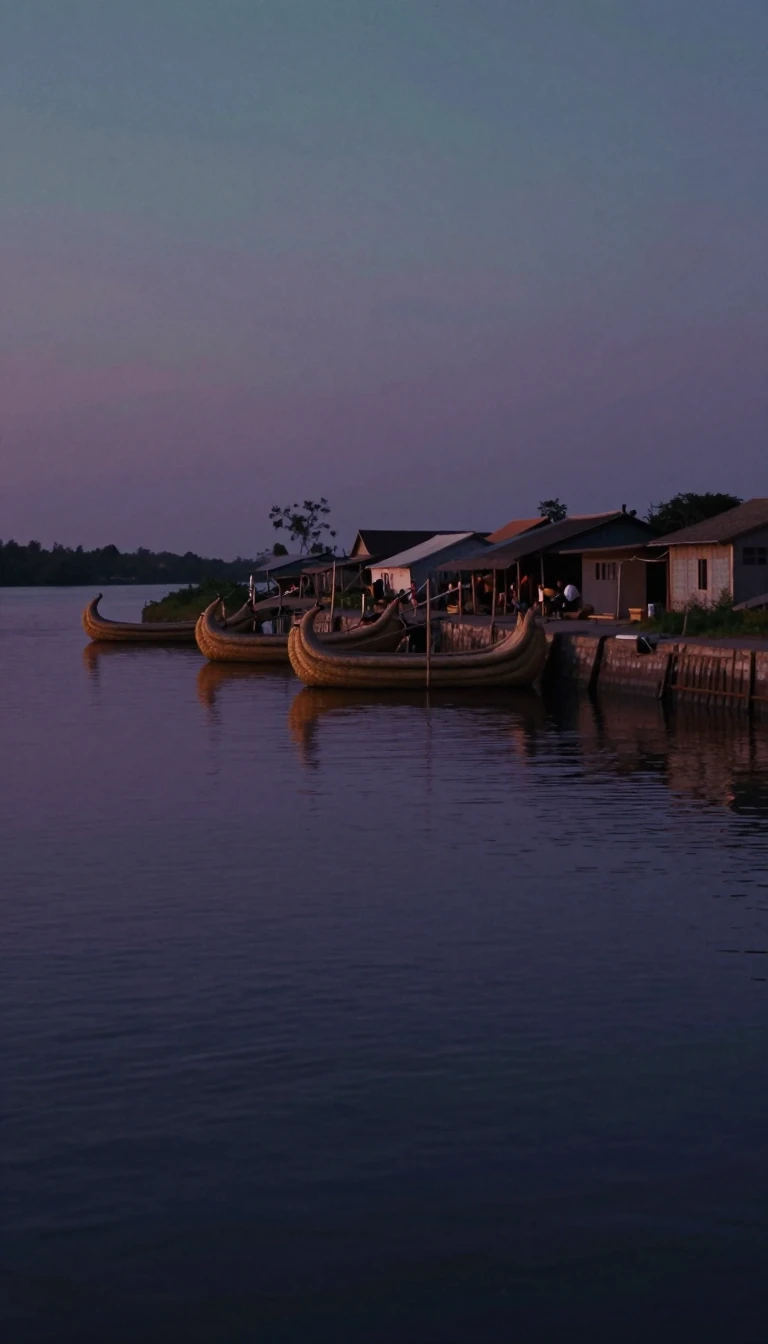 Why is this medieval Irish town legally permitted to call itself a city?Kilkenny is a historic Irish settlement that officially lost its administrative city status in the 19th century. Yet, thanks to a specific legislative loophole secured by local po…
- Why a 1960s Irish rebel song became a viral chart-topping anthem in 2020Dominic Behan’s Come Out, Ye Black and Tans is a biting satire of pro-British neighbors in 1920s Dublin. Though written decades after the Irish War of Independence, its defiant ly…
- Can one economist bend history by applying shock therapy to entire national economies?Jeffrey Sachs rose from a wonky Harvard academic to a global celebrity intellectual by promising to cure hyperinflation and poverty. His bold, often polarizing methods—from post-S…
 Why does Los Angeles International Airport use the mysterious three-letter code LAX?Before the 1930s, airports used two-letter identifiers, and Los Angeles was simply LA. As aviation expanded in 1947, codes shifted to three letters. The X was added to the city's …
- Why you cannot simply swap words in English idioms to keep their hidden meaning.An idiom is a linguistic puzzle where the whole is entirely different from the sum of its parts. While we use them daily, these phrases are rigid. Change a single article or word,…
- How a coastal Irish town struggled to name itself for over a centuryBray, a seaside town in County Wicklow, has spent decades navigating a linguistic identity crisis. While its name is officially Bré, the town has been caught between competing his…
 Does the blood of Saint Januarius liquefy by miracle or by medieval chemical trickery?Three times a year, thousands gather in Naples to witness a sealed ampoule of dried blood spontaneously liquefy. While the faithful see a divine miracle, scientists have spent cen…
 The Rarámuri are legendary runners who treat endurance as a sacred, communal act.Renowned for their ability to run hundreds of miles across rugged canyons, the Rarámuri people of Mexico view movement as a fundamental part of their identity. Beyond their athlet…
 From Navy Gunner to Hollywood Icon: The Unlikely Career of Ernest BorgnineErnest Borgnine spent nearly a decade in the United States Navy before his mother suggested he try acting. He went from a factory worker to an Academy Award winner, eventually bec…
- County Mayo: A landscape shaped by ancient farmers, pirate queens, and shifting empiresNamed for the plain of yew trees, County Mayo is a rugged expanse on Ireland's west coast. From Neolithic megalithic tombs to the legendary pirate queen Grace O'Malley, its histor…
 How a small political party shaped British trade unions and radical culture for decadesFounded in 1920, the Communist Party of Great Britain never achieved mass electoral success, yet it exerted immense influence over the nation's industrial and social landscape. Fr…
 How a Nilotic migration transformed the social and political landscape of East AfricaThe Luo people, East Africa's fourth-largest ethnic group, emerged from a centuries-long migration from South Sudan. By blending Nilotic traditions with local Bantu cultures, they…
 How a Texas Suburb Transformed Into One of America’s Most Diverse Cultural HubsOnce a quiet town named after a literary figure, Irving, Texas, has evolved into a global corporate headquarters and a demographic mosaic. From its origins as a cotton-farming com…
- The Kumeyaay people maintained control over their ancestral lands for decades against colonial powers.The Kumeyaay, Indigenous people of the California borderlands, successfully challenged Spanish and Mexican control for generations. Despite epidemics and territorial loss, their s…
 What defines a Pacific Island? The answer depends on who you askThe term Pacific Islands is a shifting label, not a fixed geography. Depending on whether you consult a biologist, a politician, or a historian, the region can include everything …
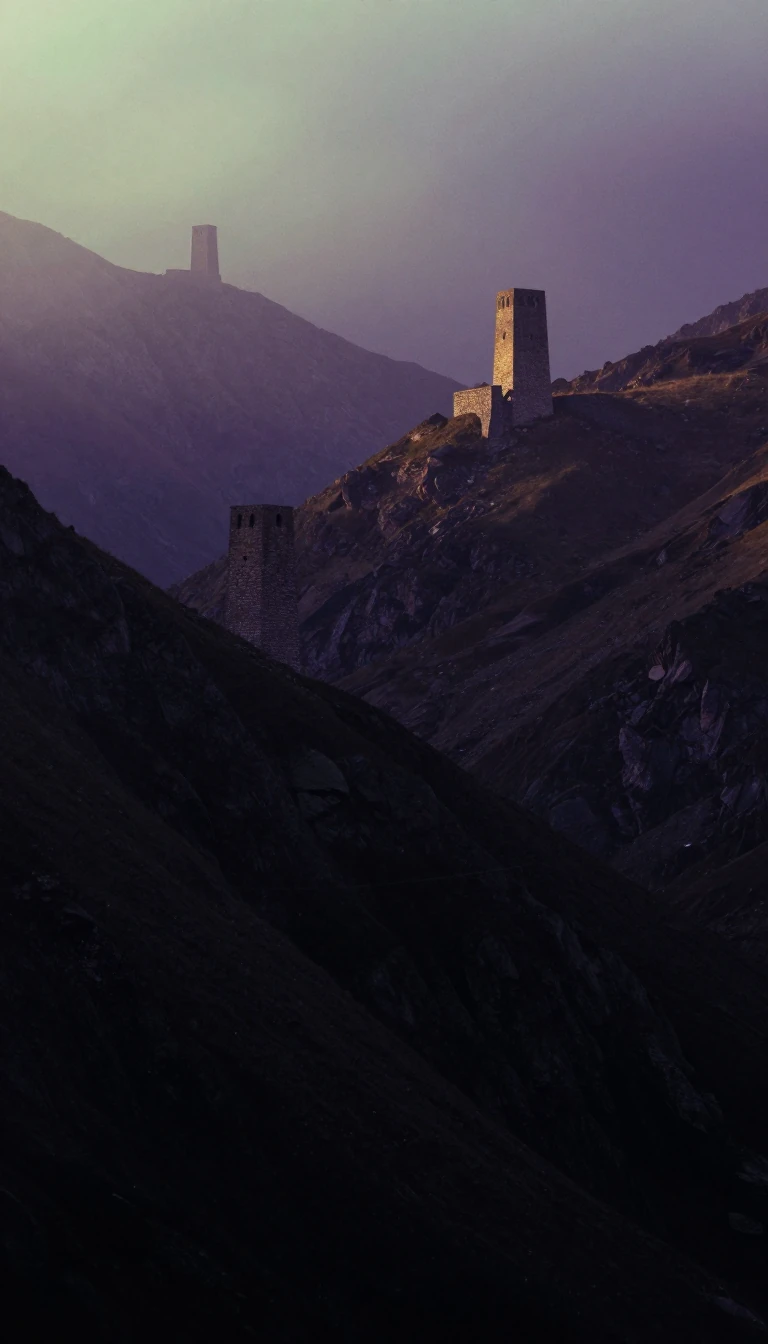 The Lezgins: An Ancient Caucasian People Defined by Their Eagle Totem and IndependenceStraddling the border of Russia and Azerbaijan, the Lezgins are a Northeast Caucasian ethnic group with a history of fierce autonomy. Their culture, centered on the eagle as a nat…
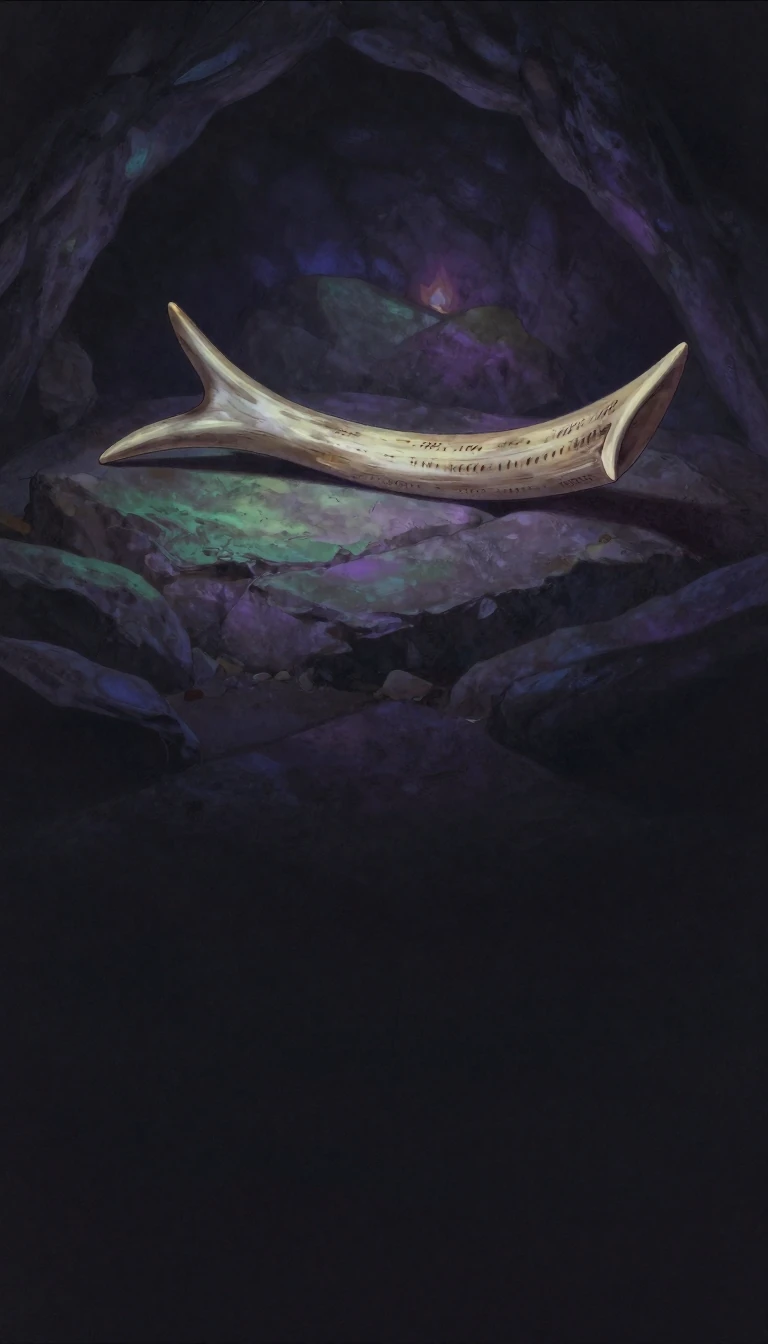 Is Khoisan a unified culture, or a convenient label for diverse, ancient human lineages?The term Khoisan is a modern anthropological convention, not an ancient ethnic identity. It groups together distinct populations—the pastoralist Khoekhoe and the foraging Sān—who …
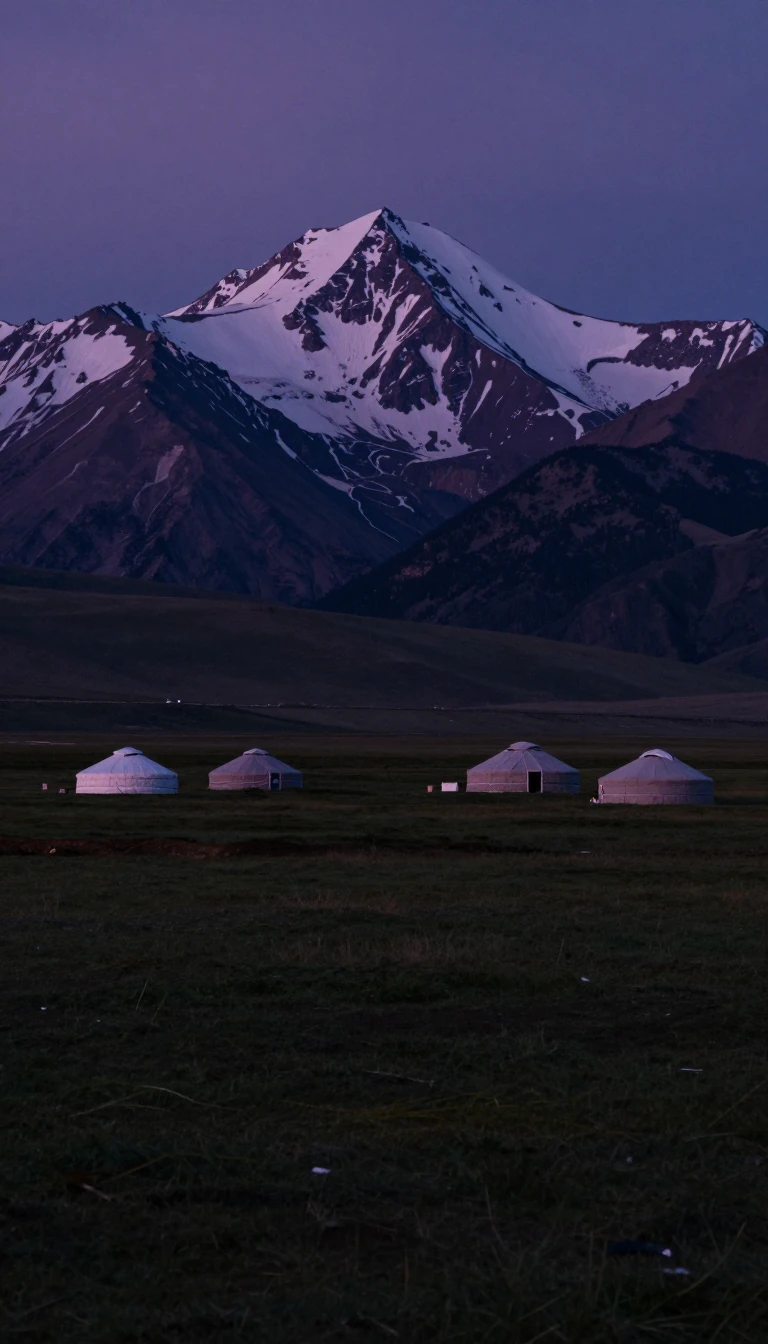 The Kyrgyz people are a complex mosaic of ancient tribes and shifting genetic legacies.Tracing their origins back to 201 BC, the Kyrgyz are a Turkic people whose identity has been shaped by centuries of migration, imperial dominance, and syncretic belief. From the Y…
 What happens when a language has no known relatives in the entire world?A language isolate is a linguistic orphan, a tongue with no demonstrable genealogical connection to any other. While some are ancient relics like Sumerian, others are modern pheno…
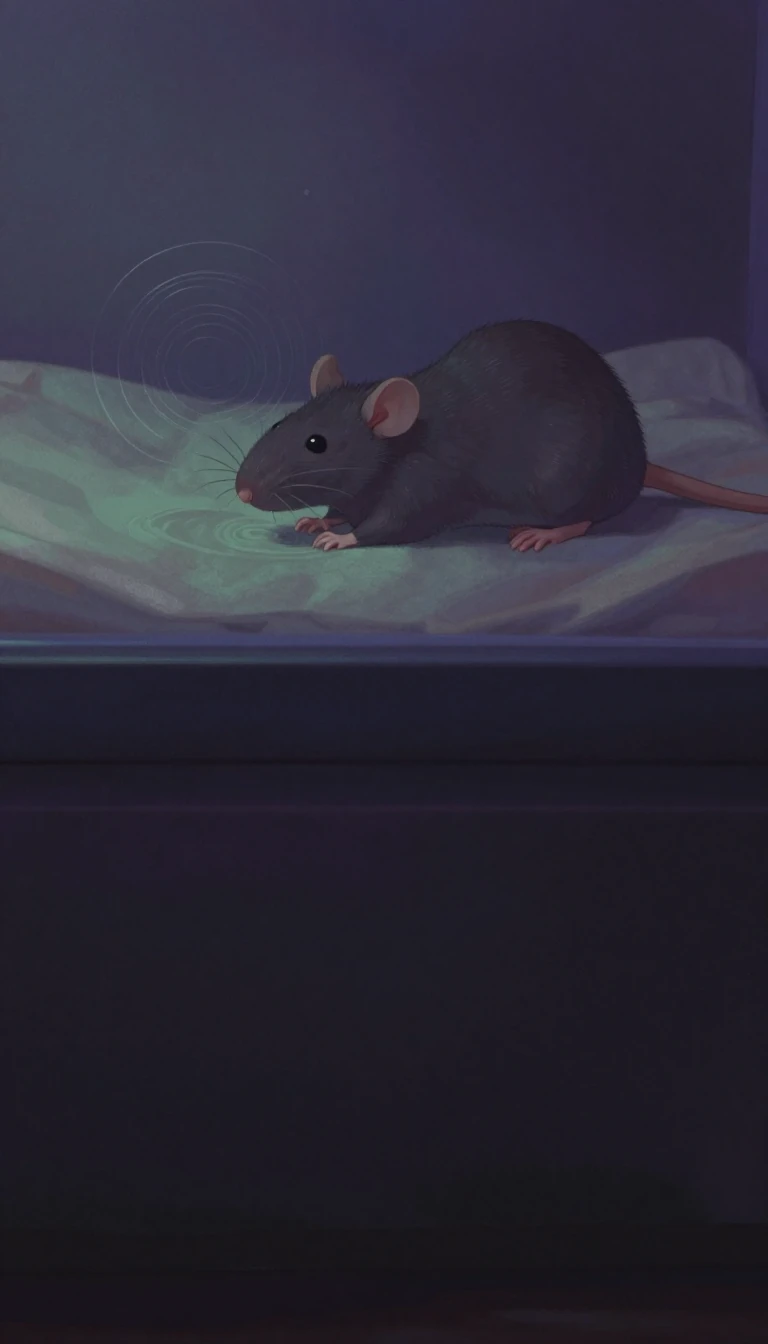 The myth of the suicidal lemming was manufactured by a film crew in 1958.Lemmings do not commit mass suicide. This persistent cultural trope, which suggests these Arctic rodents blindly follow one another to their deaths, is a fabrication. The infamous…
 From elite diplomat to prime minister: the complex ascent of Jonas Gahr StøreJonas Gahr Støre rose from a privileged background to lead Norway as prime minister. A former foreign minister and protégé of Gro Harlem Brundtland, he navigated high-stakes inter…
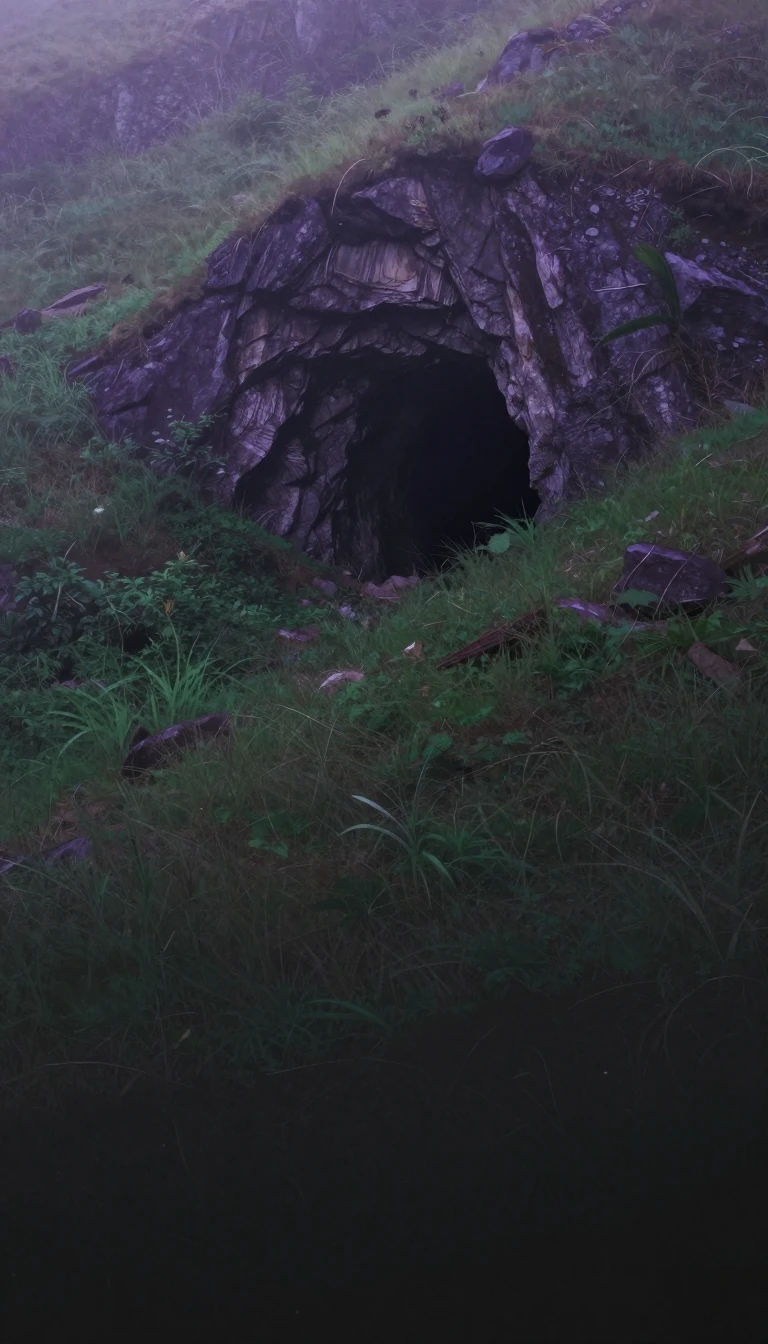 The deep genetic roots connecting Siberian indigenous peoples to the AmericasSiberia is far more than a vast Russian expanse. It is home to diverse indigenous groups whose ancient lineages hold the key to understanding the peopling of the Americas. From th…
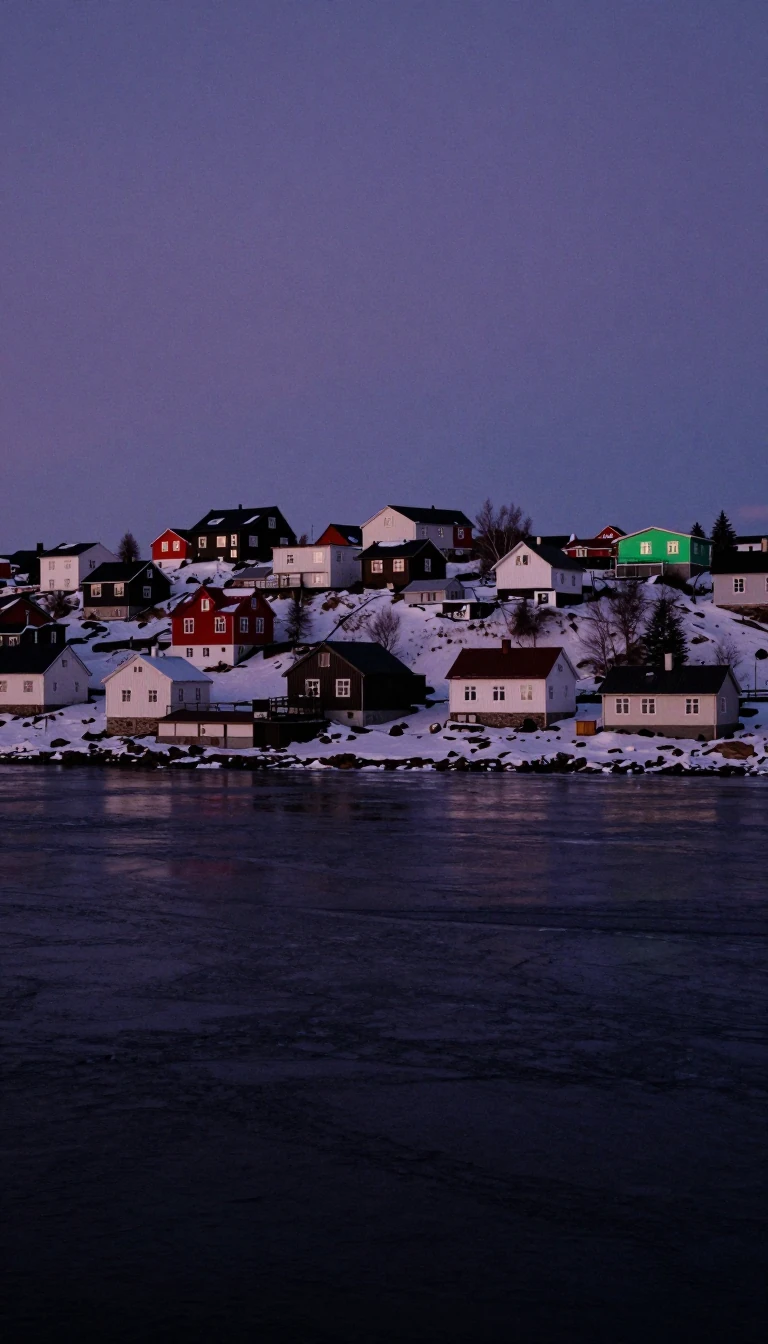 The Iñupiat: Real People Navigating the Arctic's Changing Landscape and Ancient TraditionsThe Iñupiat are the real people of Alaska's northernmost regions, with a heritage rooted in the Thule culture. Today, they balance deep-seated traditions like subsistence whaling …
 Why Islam reveres Jesus as a prophet while rejecting his divinity and crucifixionIn Islamic tradition, Jesus is not the Son of God, but a revered prophet and the Messiah. While the Quran affirms his virgin birth and miraculous powers, it explicitly denies his …
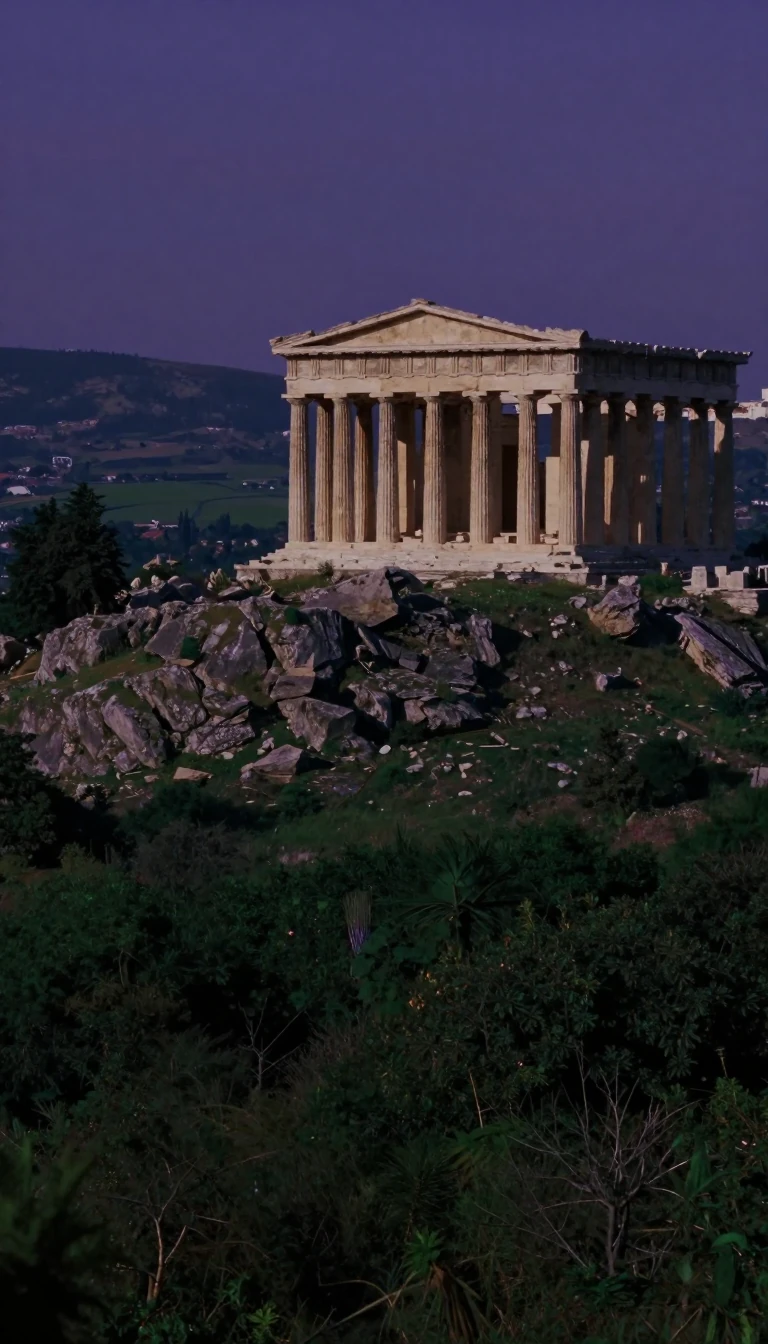 How a single silver vein helped forge the foundations of Western civilizationIn 483 BC, a discovery in the Laurion mountains changed history. The sudden wealth from silver ore funded the warships that would later defend Greek independence, fueling a golden…
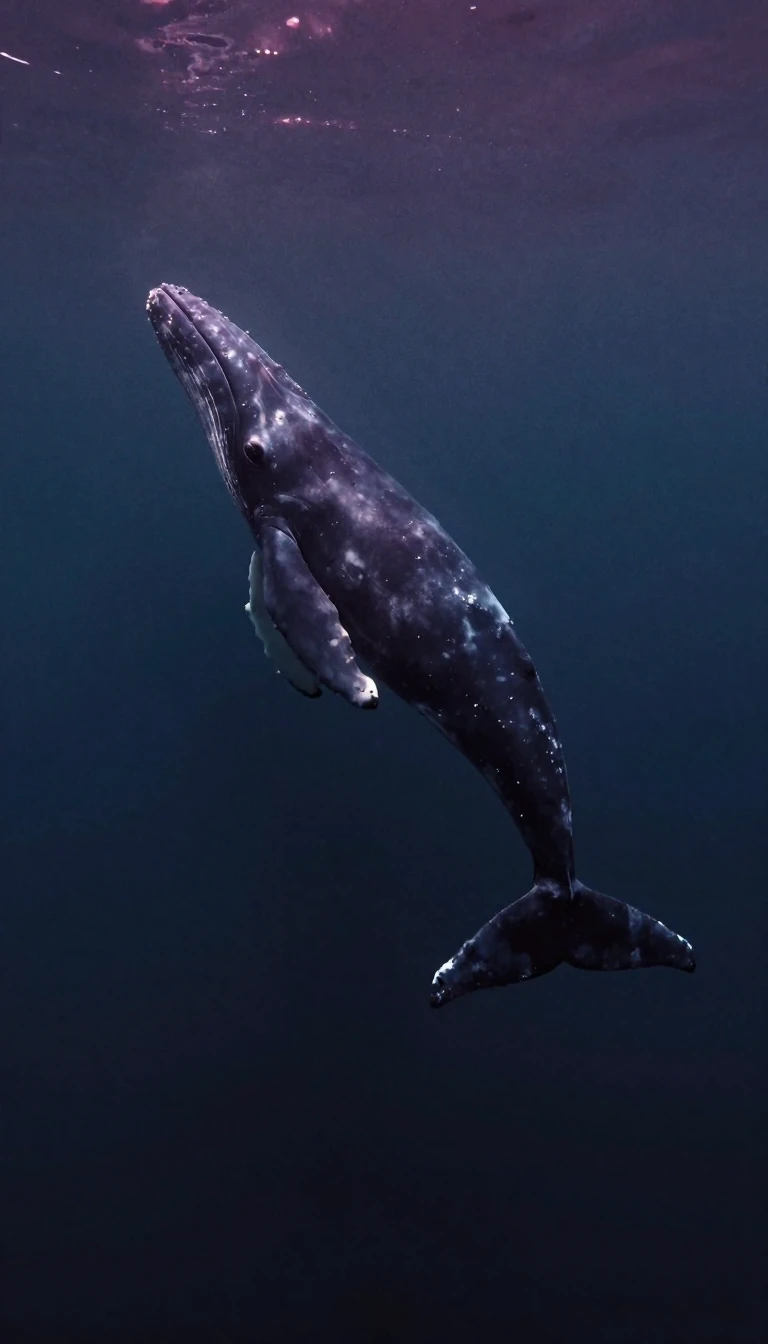 The harbor seal is a master of underwater survival with a surprising vocal talent.Found across the Northern Hemisphere, the harbor seal is a resilient marine mammal that thrives in coastal waters. Beyond its iconic appearance, this creature possesses remarkable…
- The Gagauz are a Turkic-speaking, Eastern Orthodox Christian people with an identity mystery.Living primarily in southern Moldova, the Gagauz are an ethnic group whose origins remain deeply contested. While they speak an Oghuz Turkic language, their genetic profile is dis…
 Greenlandic is a polysynthetic language where a single word can function as a sentence.Greenlandic, or Kalaallisut, is the largest Eskaleut language, spoken by about 57,000 people. As a polysynthetic language, it builds meaning by stringing together roots and hundre…
 How Linguists Reconstruct the Lost Ancestor of Almost Every Language You SpeakHistorical linguists use the comparative method to trace modern languages back to Proto-Indo-European, a common ancestor spoken about 6,000 years ago. By identifying exceptionless…
 The full breakfast is a Victorian invention that evolved from aristocratic excess to working-class staple.Far from an ancient tradition, the fry-up emerged in the 19th century as a scaled-down version of lavish country estate breakfasts. Once a quick, affordable meal for the rising mi…
 From Monks to Coal Mines: The Surprising Origins of Iowa’s Capital CityDes Moines is more than just a political stage for presidential hopefuls. Once a frontier fort designed to control local tribes, the city transformed from a rough-hewn settlement …
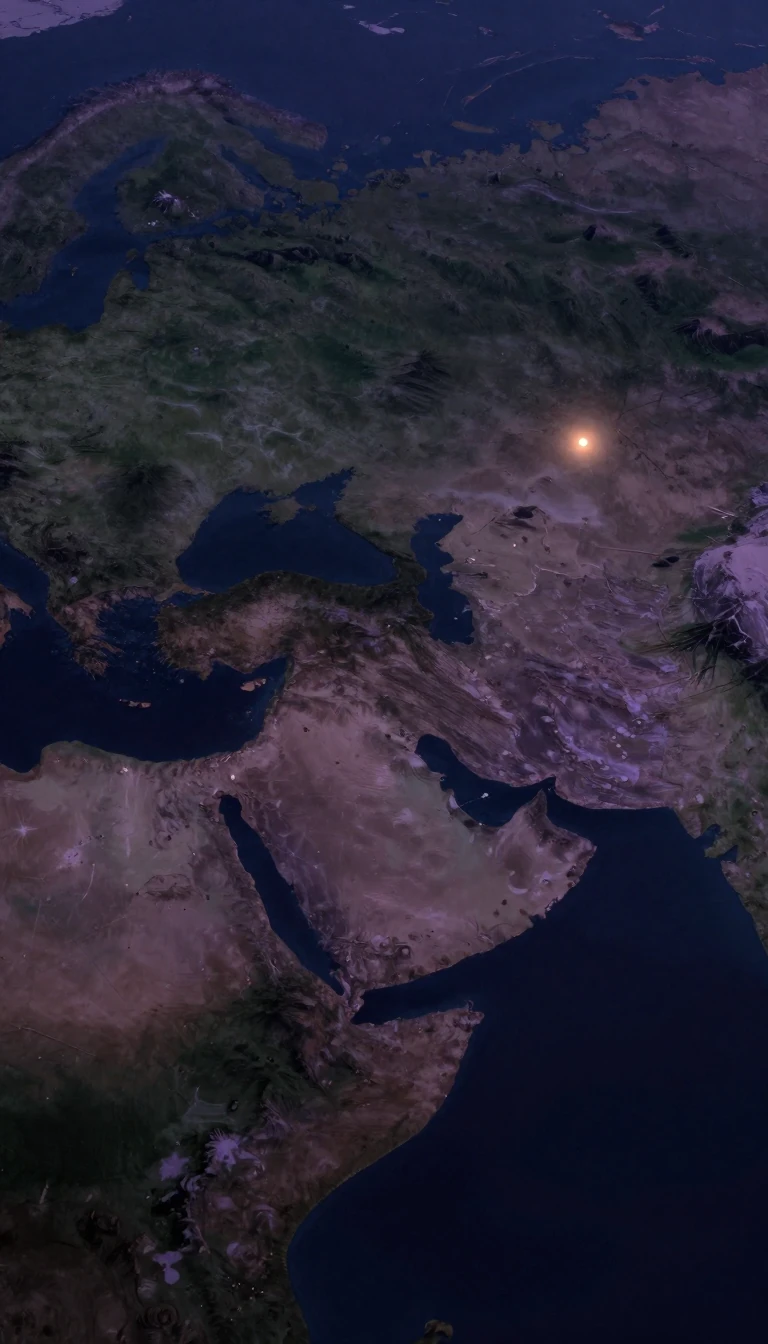 The migration that transformed Europe: How Anatolian farmers replaced the continent's hunter-gatherersEight thousand years ago, Europe was home to nomadic hunter-gatherers. By 7,000 BC, a massive migration of Anatolian Neolithic Farmers began, eventually replacing the native gene …
 Russia is home to over 190 ethnic groups, but defining a national identity remains complex.As the world's largest nation, Russia manages a vast mosaic of over 190 ethnic groups. While the constitution recognizes Russian as the official language, the state struggles to b…
 Why the letter 'Y' in 'Ye Olde' is actually a linguistic ghostWe often see 'Ye Olde' on shop signs, assuming a quaint, archaic pronunciation. In reality, that 'Y' is a typographic substitute for a lost character: the thorn. This is the story…
- Is the antlered god Cernunnos a historical deity or a modern academic invention?Known primarily from a single damaged inscription on a Roman-era pillar, the name Cernunnos is now applied to a wide cluster of ancient antlered figures. While some see a singular…
 How children's television evolved from radio roots to a global educational and commercial powerhouseChildren's television is nearly as old as the medium itself, yet its purpose has shifted dramatically. From early radio-inspired broadcasts to modern streaming, these programs hav…