 Intellect Plus
Cultures
14,790 cards. Each one is a 40-second story with a five-minute read behind it. Page 233 of 247.
Subtopics: African cultures · Ancient peoples · Anthropology · Arab & Persian culture · Asian folklore · Australian & Pacific cultures · Calendars & new year · Celtic mythology · Chinese culture · Clothing and fashion · Communication · Culture · Culture of Korea; Culture of South Korea · Education · Egyptian mythology · Endangered languages · Ethnology · Ethnology and anthropology · Etiquette & manners · Fairy tales & folk tales · Fashion through the ages · Festivals & celebrations · Folk dance · French & Italian culture · Hairstyles & jewellery · Handicrafts · Indian culture · Indigenous cultures of the Americas · Japanese culture · Journalism and mass media · Language · Language families · Language learning · Languages · Latin American culture · Legendary creatures · Nordic culture · Norse mythology · Peoples & civilisations · Pilgrimage & sacred journeys · Proverbs & idioms · Public holidays · Russian & Eastern European culture · Sign languages · Superstitions · Traditional dress · Traditional games · Traditions & customs · UK & Irish culture · US culture · Weddings · Writing systems
 How a royal's midnight blue lounge jacket became the global tuxedo standardWhat began in 1865 as a casual, tailless alternative for the Prince of Wales has evolved into the pinnacle of semi-formal elegance. From the social enclaves of New York to the yac…
 The enduring migrations and tribal resilience of the Baloch peopleFrom the ancient Iranian plateau to the borders of the Indus, the Baloch have navigated centuries of upheaval. Once nomadic pastoralists, their history is a complex tapestry of tr…
 Why corporations prefer private tribunals over public courts for their disputesIn the world of high-stakes commerce, the most important legal battles may never see a courtroom. Through arbitration, parties can bypass traditional judges to hand-pick experts, …
 The man who turned Satanism into a modern, highly visible religionHe was called the Black Pope and walked a pet black leopard through San Francisco. Anton LaVey founded the Church of Satan not as a worship of evil, but as a philosophy of ethical…
 Why we are drawn to characters who lack every heroic qualityThe traditional hero is noble, high-born, and beloved. But the antihero is different: an outsider, often a criminal, driven by personal motives rather than a calling to do good. F…
 The controversial claim of a second coming within IslamIn late 19th-century British India, a movement emerged that challenged the very definition of finality in Islam. By claiming a new messenger had arrived to restore the faith's ori…
 The ancient messenger who travels between the heavens and the human heartLong before modern science defined combustion, the Vedic god Agni embodied the universe's transformative power. From lightning in the sky to the fire in our very stomachs, this de…
 The Great Disappointment: How a failed prophecy birthed a global movementIn October 1844, thousands of followers of William Miller waited for a divine event that never arrived. This moment of profound religious crisis, known as the Great Disappointment…
 How scholars mapped the DNA of the world's most famous storiesEvery great legend, from Cinderella to Jack and the Beanstalk, shares a hidden architecture. By identifying recurring motifs and plot patterns, folklorists have built a massive ca…
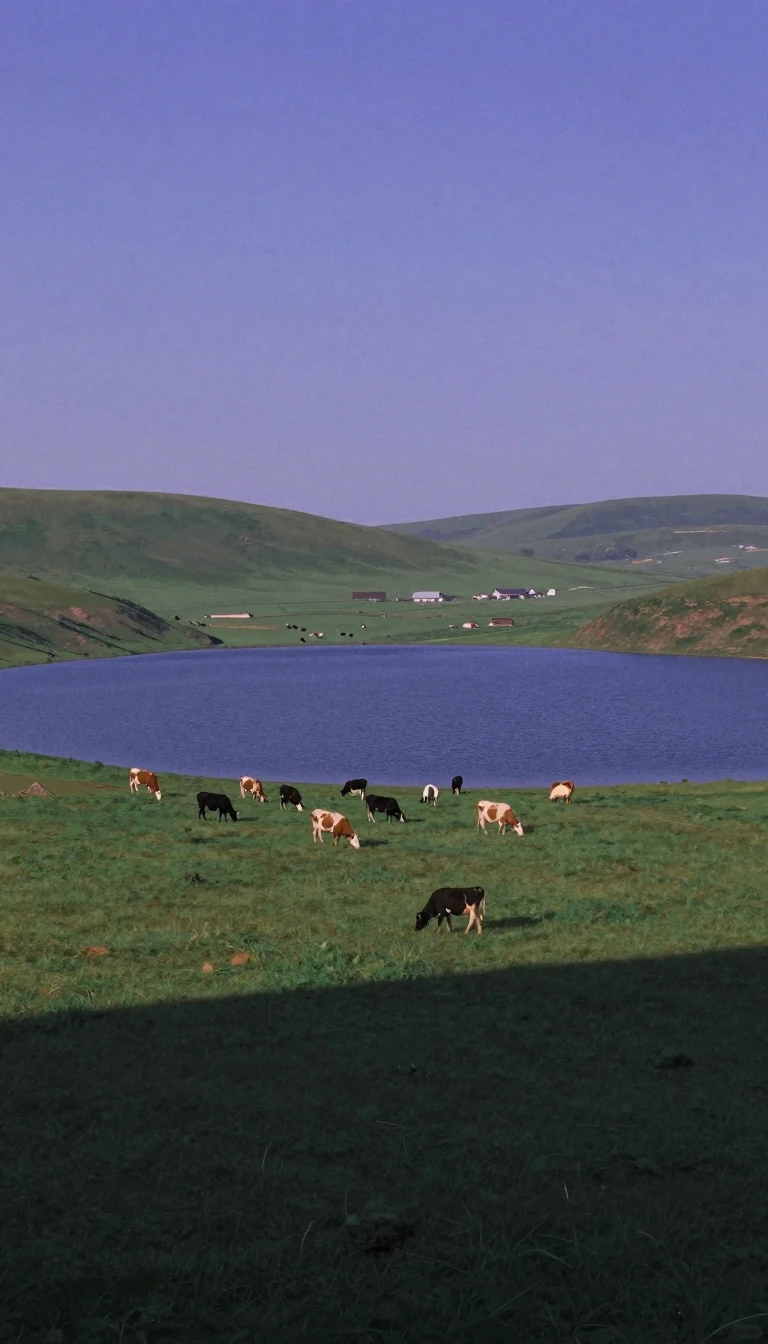 The resilient, humped cattle that shaped ancient civilizationsWith a distinctive fatty hump and incredible heat tolerance, the zebu is more than just livestock. From the Neolithic plains of Pakistan to the ritual wrestling arenas of Madagasc…
 What does it truly mean to be a real person?To the Yupik, the name itself translates to 'real people.' Spanning the coasts of Alaska and the Russian Far East, this resilient culture carries a history of ancient migrations, …
 Was the original Yule a Norse Day of the Dead?Long before it merged with Christmas, the Germanic festival of Yule was a time of supernatural visits, ritual slaughter, and solemn oaths. While some see it as a simple seasonal m…
 The extreme temperatures and ancient volcanic ash that shaped the YukonFrom bone-chilling freezes of −63.0 °C to summer heatwaves in June, the Yukon's climate is anything but predictable. Beyond the weather, a massive volcanic eruption in 800 AD left…
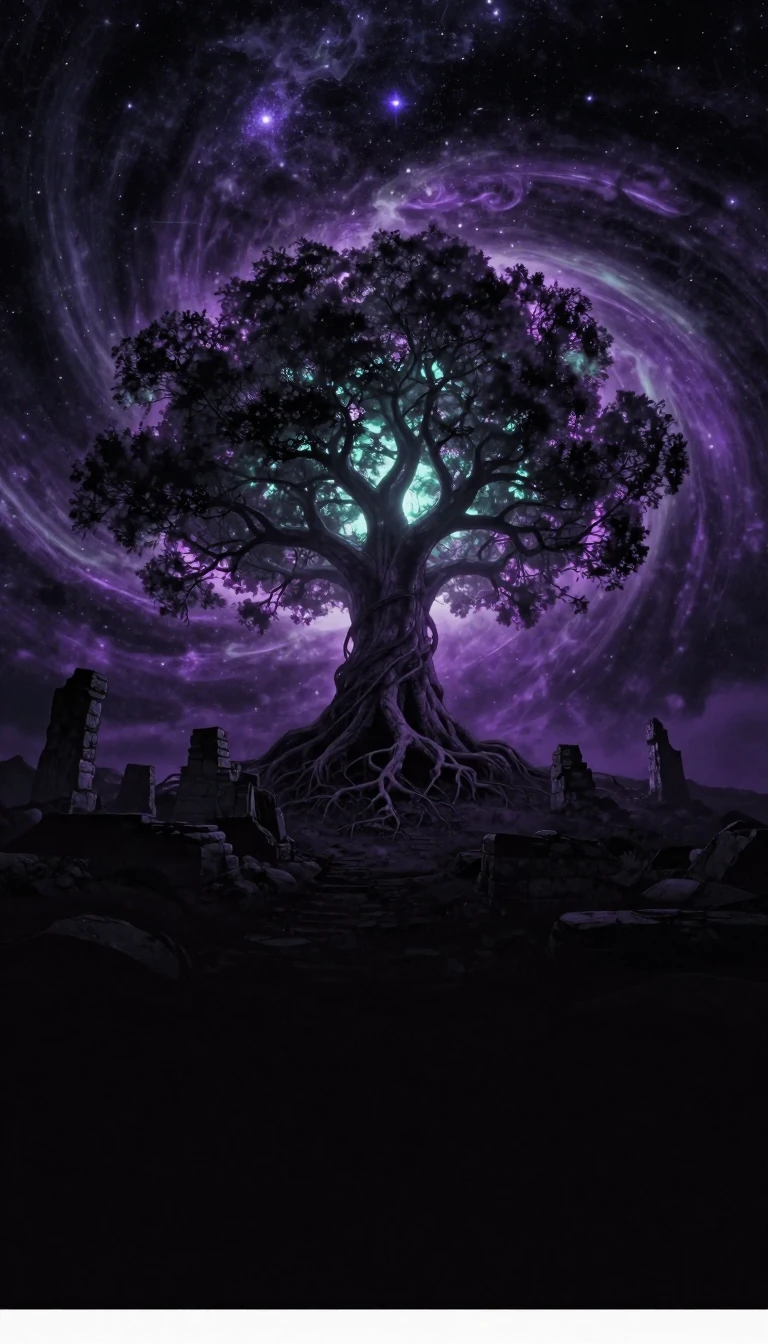 The cosmic ash tree that serves as both a sanctuary and a gallowsIn the heart of Norse cosmology stands Yggdrasill, a massive ash tree supporting the universe. It is a place of divine assembly and life-giving dew, yet it is also a site of profo…
 The ancient, closed-circle faith that survived centuries of isolation and persecutionOnce a widespread movement capable of drawing followers from Cairo to Kandahar, the Yazidi community eventually retreated into a strictly endogamous society. Driven by a hostile e…
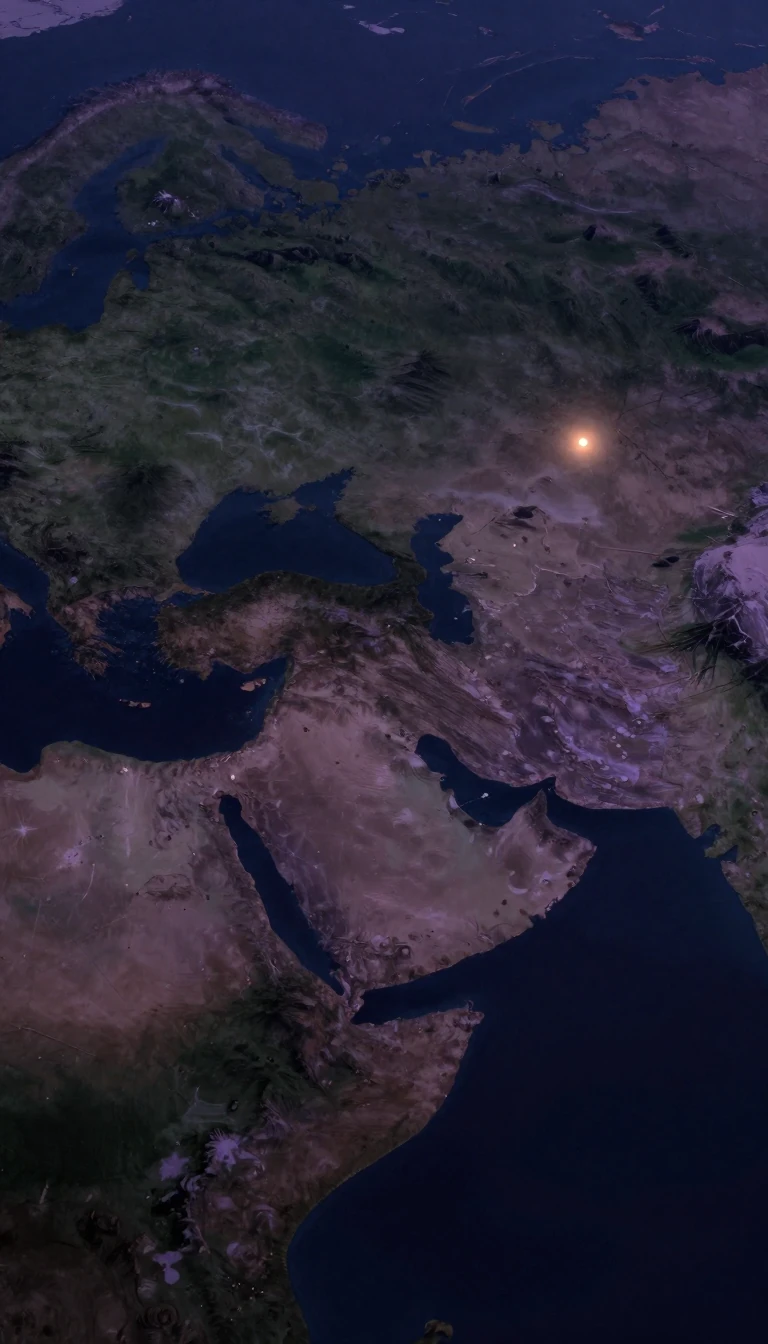 The great migration: how a Turkic people forged an identity in the Siberian frostFrom the shores of the Aral Sea to the frozen Lena River, the history of the Sakha is a saga of movement, conquest, and survival. Discover how a complex melting pot of migrating t…
 The historical reality of the witch hunt was far more complex than mass hysteriaWhile we often imagine the witch hunts as a singular era of madness, they were actually a fragmented series of legal and theological shifts. From ancient Babylonian river ordeals …
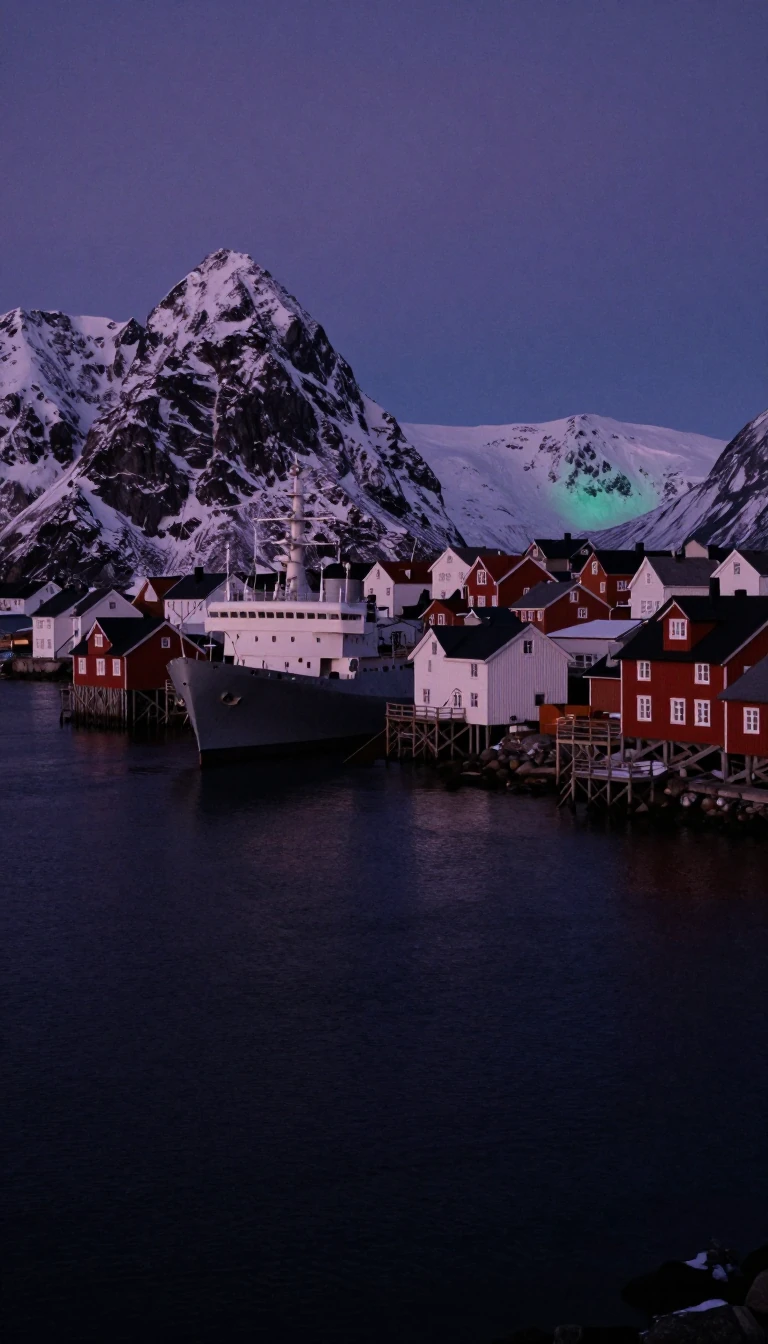 The city that almost became CloseleighIn the early 1900s, railway financiers tried to rename the Yukon's bustling hub after themselves. Today, Whitehorse remains a testament to local identity, a place where gold rush …
- Can a twelve-year-old girl break a centuries-old tradition of male leadership?In the Māori village of Whangara, leadership is a birthright reserved for first-born sons. But when a young girl defies her grandfather’s rigid expectations, she discovers a conne…
 The resilient confederacy that survived dispersal and diseaseOnce a powerful force in the Great Lakes, the Wendat Confederacy faced near-total destruction in the 1650s. Driven by warfare and devastating European epidemics, their people were…
 The lost echoes of a prehistoric, oral universeBefore the written word, the Welsh world was shaped by the breath of druids. While much of this ancient oral history was lost to invasion, fragments remain in medieval manuscripts…
- The Pacific territory where ancient kingdoms and French law coexistIn the South Pacific, a unique French collectivity maintains a delicate balance between modern administration and ancestral rule. Here, three traditional kingdoms still hold sway,…
 How a political label transformed into a massive ethnic identityThe modern Uzbek identity was not an ancient constant. It was a deliberate construction, born from the convergence of nomadic Turkic tribes and settled Iranian populations, later …
 Where did the Uralic languages actually begin?From the vast forests of Europe to the Siberian tundra, the Uralic language family spans continents. But tracing their origin is a linguistic detective story, with scholars debati…
 The university where research is meant to reach every homeIn 1904, a university president declared that academic boundaries should match the state's borders. This 'Wisconsin Idea' transformed a land-grant institution into a global engine…
- Does 'T' Stand for Total Abstinence, or Something More Profound?The concept of total abstinence, or teetotalism, has deep roots across cultures and faiths. But the very name suggests a simple linguistic trick. Discover the debated origins of t…
 Is the University of Oregon becoming a private institution in public clothing?As state funding for the University of Oregon plummeted from 40% to just 13%, a massive wave of private philanthropy stepped in. Driven by mega-donors like Phil Knight, the campus…
 The sacred art of carving skin: the enduring legacy of Tā mokoLong before modern needles, Māori specialists used bone chisels to groove the skin. This was not merely decoration, but a sacred ritual of status and identity. Discover how this a…
 The legendary warriors whom history dismissed as mere barbariansAncient Greek and Roman historians painted the Thracians as bloodthirsty, unorganized savages. Yet, beneath the labels of 'barbarian' lay a sophisticated culture of exquisite poet…
 The Phantom Queen: Is she a goddess of war or a guardian of the land?Often depicted as a crow foretelling death, the Morrígan is far more than a mere harbinger of doom. While many see a terrifying war goddess, scholars suggest her true power lies i…
 The Māori anchorage that became New Zealand's fifth-largest cityOnce a 13th-century Māori resting place, Tauranga has transformed into a powerhouse of international trade. From the intense battles of the New Zealand Wars to its current status …
- The ancient political engine driving the expansion of PolynesiaLong before modern borders, the Samoan Islands served as a vital cultural stepping stone. From complex village hierarchies to the intricate art of tattooing, the mechanisms of Sam…
- The linguistic homeland of an empire that spans the Pacific OceanLong before modern borders, Taiwan served as the ancestral cradle for the Austronesian expansion. From Madagascar to Polynesia, millions of people share linguistic and genetic tie…
 Were the Székelys the legendary remnants of Attila’s Hunnic Empire?For centuries, legends claimed the Székelys were the descendants of the Huns, surviving in the Carpathian Mountains. While modern genetics and history suggest a primarily Hungaria…
- Beyond the borders of four nations lies a land without a sovereign stateStretching across Norway, Sweden, Finland, and Russia, Sápmi is a vast cultural region north of the Arctic Circle. While it lacks its own independent government, its people mainta…
 The Australian state founded as a social experiment, not a convict colonyWhile most of Australia began as a penal outpost, South Australia was designed as a planned British province. Driven by theories of systematic colonisation, it promised religious …
 From divine duty to modern rights: the shifting meaning of social justiceOnce a term for the monarch's obligations and the duties of the soul, social justice has evolved into a global framework for human rights. But how did a concept rooted in religiou…
- The shifting boundaries of the Sámi language familyWhile often grouped together, the Sámi languages are not a single tongue but a complex collection of distinct voices. From the vast Northern Sámi to the nearly extinct Ume Sámi, t…
- How 'Scheduled' Status Defines India's Most Disadvantaged GroupsOfficial designation matters deeply. While common terms like 'Dalit' or 'Adivasi' exist, the constitutional terms 'Scheduled Castes' and 'Scheduled Tribes' are used because they a…
 Is there an ideal size for a secondary school?From the massive campuses of the US to the specialized Gymnasiums of Austria, secondary education varies wildly. But does scale impact learning? While larger schools offer more su…
 The Scottish clan was never just a matter of blood and ancestryWe often imagine clans as rigid families of shared DNA, but historical clanship was far more fluid. It was a complex web of legal ties, territorial protection, and social contract…
- The genetic and cultural mystery of Japan's largest unrecognized minorityWhile Japan is often celebrated as a monolith of ethnic homogeneity, the Ryukyuan people tell a different story. From ancient Jōmon hunter-gatherer roots to a maritime kingdom tha…
- The forgotten East Slavs: how a mountain identity survived empire and erasureOften mistaken for Ukrainians or Russians, the Rusyns are a distinct East Slavic group native to the Eastern Carpathians. Despite centuries of shifting borders and Soviet-era poli…
- The complex genetic and cultural layers of the Russian identityBeyond the headlines, the Russian identity is a profound mosaic of Slavic tribes, Norse warriors, and Finnic ancestors. From the vastness of the Siberian taiga to the historic str…
 The Finnish city rebuilt in the shape of a reindeer's headMost of Rovaniemi was reduced to ash in 1944. Following the destruction of 90% of its buildings by retreating German forces, the city underwent a radical architectural rebirth, re…
 The deceptive calm of the rip current is a dangerous illusionA smooth, wave-free patch of water might look like the safest place to swim, but it could actually be a powerful river flowing out to sea. Understanding the mechanics of these cur…
 The devastating cattle plague that once wiped out entire herdsBefore its global eradication in 2011, rinderpest was a viral nightmare for livestock. With mortality rates approaching 100% in vulnerable populations, this infectious disease sha…
 How an oral tradition preserved a library without a single written wordFor millennia, the Rigveda existed entirely without paper. Through incredibly complex systems of memorization and precise phonetic discipline, ancient scholars transmitted 1,028 h…
 The Alpine artery that shapes the Mediterranean's edgeBorn from a Swiss glacier and carving a deep furrow through the landscape, the Rhône is more than just a river. It is a powerful hydraulic engine, driving massive energy productio…
 The uncatchable queen who outran horses and outsmarted princesIn the ancient Welsh Mabinogi, Rhiannon is far more than a mythic figure. A strategic ruler and brilliant negotiator, she used enchanted bags and ungraspable horses to reshape kin…
- From registered nurse to Star Wars icon: the remarkable journey of Rena OwenBefore she was commanding the screen in the Star Wars universe, Rena Owen was training as a nurse in Auckland. This New Zealand performer transitioned from medical care to interna…
 The linguistic rebranding of mass deportation into a concept called remigrationOnce a neutral term for voluntary return, remigration has been repurposed by far-right movements. By replacing historically charged words like deportation with a more palatable ne…
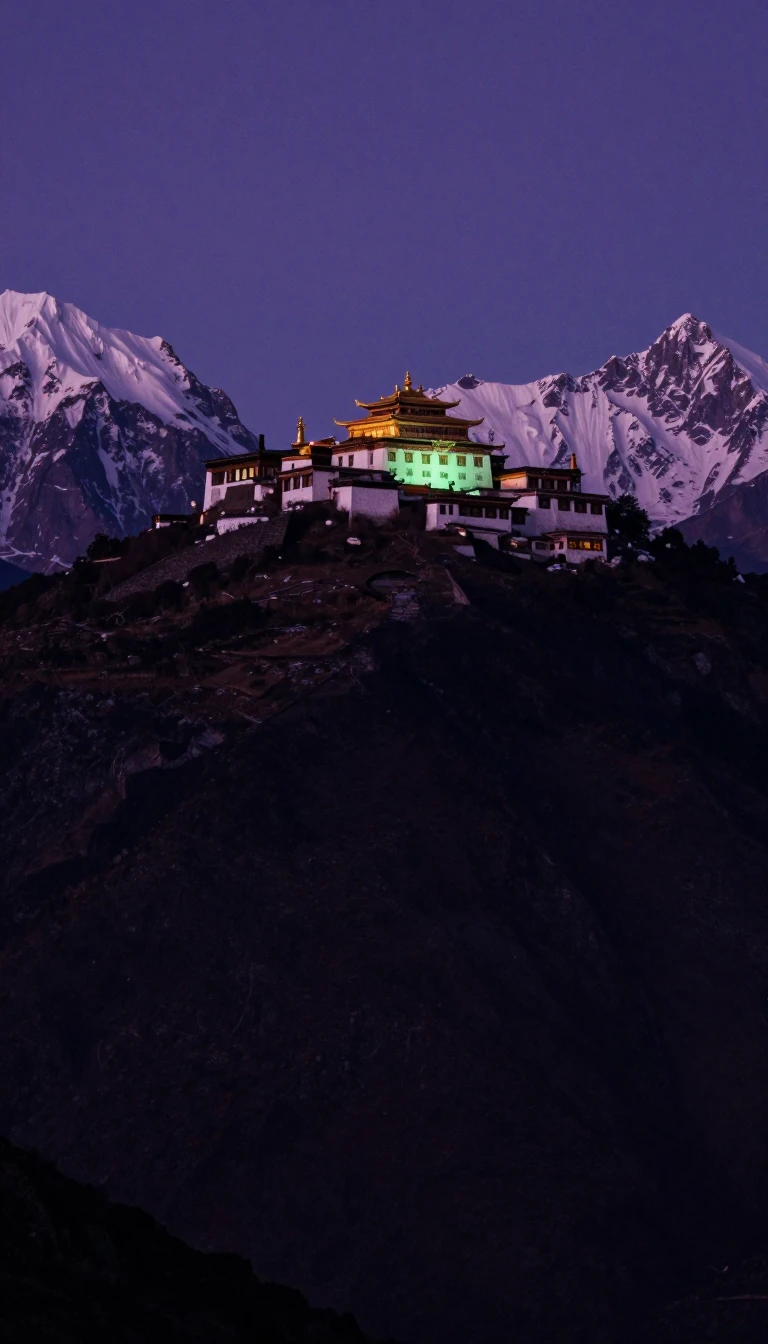 Where Hinduism and Buddhism merge into a single spiritual landscapeIn Nepal, the lines between faiths are often blurred. While the nation is officially secular, its spiritual identity is a complex tapestry where Hindu traditions and Buddhist prac…
 How a secular constitution manages the world's most diverse religious landscapeIndia is the birthplace of four major religions, yet its constitutional identity is built on a unique form of secularism. It is not a total separation of church and state, but a s…
- The myth of the Easter Island collapse is being rewrittenFor decades, we believed the Rapa Nui people destroyed their own environment through reckless deforestation. But new evidence suggests a different story: a resilient society that …
 How a 16th-century word for 'strange' became a tool for political resistanceOriginally meaning 'peculiar' or 'eccentric', the word queer was once a sharp-edged slur. Today, it has been reclaimed by activists to describe a radical rejection of social norms…
 How linguists reconstructed a lost language without a single written recordThere is no direct evidence of the Proto-Indo-European language ever existing. No tablets or inscriptions remain of its speakers. Yet, through the meticulous comparative method, s…
 How a single ancient promise shaped the borders of the LevantFrom the Euphrates to the Mediterranean, the concept of a 'Promised Land' has defined civilizations for millennia. Tracing back to the Abrahamic covenants, these sacred boundaries…
 The ancient, layered origins of the Portuguese identityFrom the resistance of the Lusitanian tribes against Roman legions to the maritime expansion of the 15th century, the Portuguese story is one of profound transformation. It is a h…
 They were not called Greeks until the twentieth centuryFor centuries, the people of the Black Sea coast identified as Romans, not Greeks. Driven by shifting empires and the rise of nationalism, this indigenous group underwent a profou…