 Intellect Plus
Cultures
14,790 cards. Each one is a 40-second story with a five-minute read behind it. Page 244 of 247.
Subtopics: African cultures · Ancient peoples · Anthropology · Arab & Persian culture · Asian folklore · Australian & Pacific cultures · Calendars & new year · Celtic mythology · Chinese culture · Clothing and fashion · Communication · Culture · Culture of Korea; Culture of South Korea · Education · Egyptian mythology · Endangered languages · Ethnology · Ethnology and anthropology · Etiquette & manners · Fairy tales & folk tales · Fashion through the ages · Festivals & celebrations · Folk dance · French & Italian culture · Hairstyles & jewellery · Handicrafts · Indian culture · Indigenous cultures of the Americas · Japanese culture · Journalism and mass media · Language · Language families · Language learning · Languages · Latin American culture · Legendary creatures · Nordic culture · Norse mythology · Peoples & civilisations · Pilgrimage & sacred journeys · Proverbs & idioms · Public holidays · Russian & Eastern European culture · Sign languages · Superstitions · Traditional dress · Traditional games · Traditions & customs · UK & Irish culture · US culture · Weddings · Writing systems
 The Mediterranean skyscraper city that escaped the mass tourism protestsWhile cities like Barcelona face intense backlash against overcrowding, Benidorm stands apart. Once a quiet fishing village, this high-density metropolis has transformed into a gl…
 The costly British victory that actually emboldened the American RevolutionOn June 17, 1775, professional British regulars charged into a deadly trap. While they eventually captured the colonial redoubt, the staggering loss of officers and men proved tha…
 How a 400-year resistance shaped a new autonomous nationThe Bangsamoro region is more than a political boundary; it is the result of centuries of struggle. From resisting Spanish and American colonization to navigating modern land disp…
 The invincible city that was once known by another nameBefore it was the global pilgrimage destination we recognize today, Ayodhya was Saketa—a bustling marketplace at a vital crossroads. From Buddhist monasteries to Mughal mosques, t…
 Were the Asura once considered divine lords rather than demons?In modern myth, Asuras are the villains of the Hindu pantheon. Yet, the oldest Vedic hymns tell a different story, using the term to describe powerful, even benevolent, deities. T…
 How a displaced community became the world's largest Jewish subgroupFrom the Rhineland to the Americas, the Ashkenazi journey is one of survival and massive demographic shifts. Once a localized group in Germany and France, they grew to represent t…
 The linguistic fossil that preserved the secrets of Proto-SemiticWhile many languages evolve by losing complexity, Arabic acted as a conservative vault. By preserving ancient grammatical cases and nearly all its original consonants, it provides…
 The hidden inhabitants of the hollow hillsIn Gaelic folklore, the Aos Sí are far more than mere garden sprites. Descended from ancient gods or perhaps fallen angels, these beautiful yet terrible beings dwell in subterrane…
 How a colonial necessity created a distinct Indian minorityBorn from the unions of British officers and Indian women, the Anglo-Indian community emerged as a unique cultural bridge. Once a vital administrative backbone of the Raj, this co…
 The global shift of a church: how the Anglican center of gravity movedOnce a collection of English colonial outposts, the Anglican Communion is undergoing a profound transformation. As membership expands globally, the historical dominance of Western…
 The ancient myth of the original, four-legged, two-headed humanLong before modern gender debates, ancient myths described a primordial humanity that was far more complex than the binary. From Sumerian priests to Greek legends, the concept of …
 From German vineyards to Disneyland: the surprising evolution of AnaheimLong before the neon lights of the Disneyland Resort transformed the landscape, Anaheim was a quiet agricultural outpost. Founded by fifty German families seeking a new home, this…
 How a 9th-century papal decree standardized a global feastWhile we associate Halloween with modern mischief, its origins lie in a solemn liturgical shift. Once a scattered collection of martyr feasts held on various dates, All Saints' Da…
 The Danish princess who became Britain’s most enduring Princess of WalesBefore she was Queen, Alexandra of Denmark lived a modest life in a draughty attic. Despite political exclusion and personal health struggles, her grace and fashion-forward style …
 The $290,000 per kilogram wood born from a tree's struggleMost wood is valued for its structure, but agarwood is valued for its scars. This precious resin only forms when an Aquilaria tree defends itself against fungal infection. The res…
 You are not your thoughts, your body, or even your very identityThe ancient philosophy of Advaita Vedanta suggests that the individual self is a profound illusion. It teaches that beneath the surface of your changing emotions and physical sens…
 The legendary crown hidden within a Spanish coastal cityIs the name of A Coruña a tribute to a French religious movement or a Greek myth? While etymologists debate origins ranging from Cluny to Latin roots, the city's most enduring leg…
 Why the world abandoned the 12-hour clock for a global standardWhile many English-speaking cultures still rely on AM and PM, the 24-hour clock has become the global language of precision. From aviation to medicine, this system eliminates the …
 Was the Tree of Life a single ancient idea that spread across the globe?From the Norse Yggdrasil to the Egyptian sycamore, the Tree of Life is a universal archetype. But did this sacred symbol emerge from a single lost culture, or was it a shared huma…
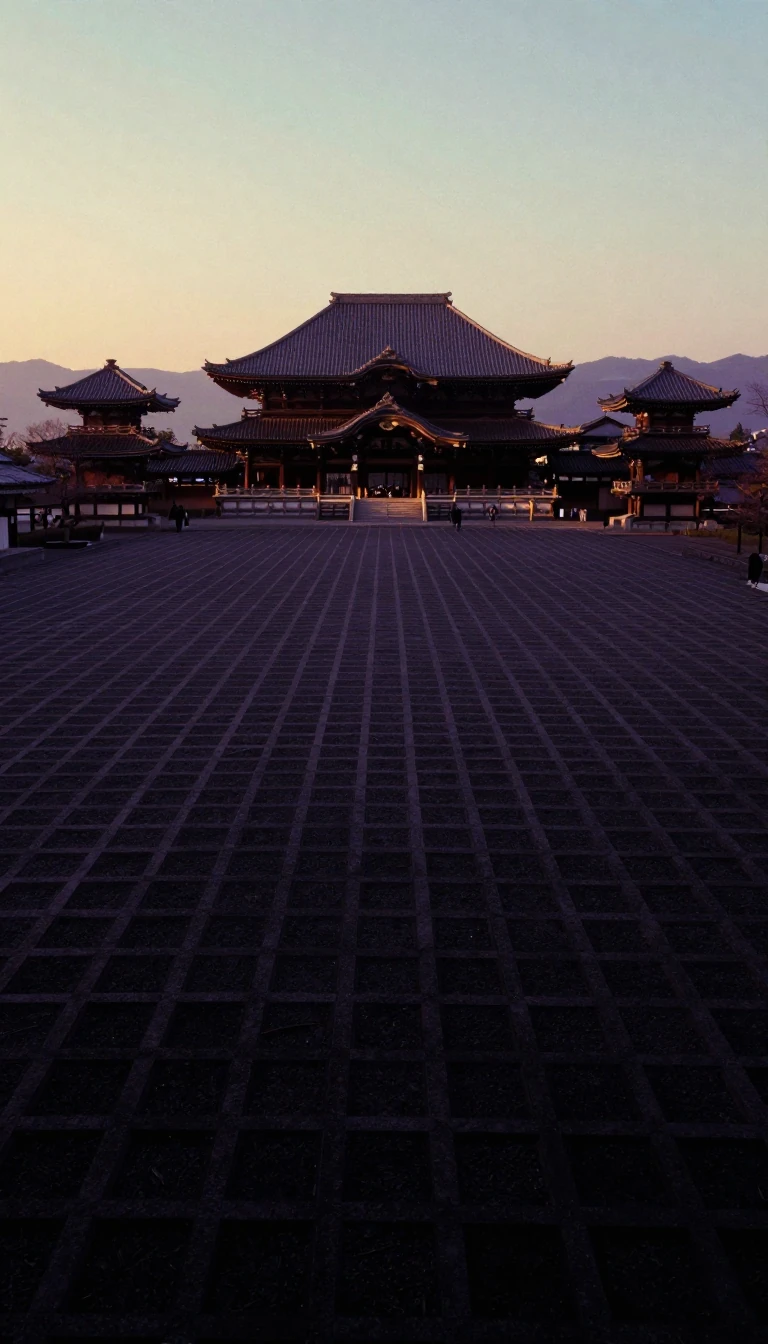 The architectural metamorphosis of Japan’s imperial heartOnce the seat of the Tokugawa shogunate, the Tokyo Imperial Palace is a living palimpsest. From the wooden grandeur of the Meiji era to the steel-framed modernism of today, its st…
 From ancient loincloths to modern runways: the evolution of the thongOnce a functional tool for survival in sub-Saharan Africa, the thong has transformed into a global fashion staple. From the Jazz Age showgirls of Earl Carroll to the 1990s pop ico…
 How a forgotten word for salt created a multi-billion dollar blue empireIn 1958, Belgian artist Peyo was dining with a friend when he suddenly forgot the word for salt. Unable to find the term, he improvised a nonsense syllable. That single moment of …
- The Texas Rangers: From frontier militia to a legally protected state institutionOften romanticized as noble heroes of the Wild West, the history of the Texas Rangers is far more complex. Beyond the legends of the Lone Ranger lies a legacy of frontier defense,…
- How a wartime shortage sparked the infamous American nylon riotsIn 1939, DuPont introduced a miracle fabric that Americans bought by the millions. But when World War II redirected production to parachutes, the sudden disappearance of nylon sto…
- How Winston Churchill planned to set Europe ablaze with an underground armyIn 1940, a secret British organization was forged to wage a hidden war. Tasked with sabotage and subversion, the Special Operations Executive operated behind enemy lines, using ev…
 How a French perfume chain revolutionized the way we experience beauty retailBefore the era of digital shopping, beauty retail was often formal and restrictive. Then came a new model that invited customers to touch, test, and play. Discover how Sephora tra…
 The dangerous, flammable origins of the world's first man-made fiberBefore it was the soft, versatile fabric in your wardrobe, rayon was a highly flammable, explosive substance. Born from a quest to replicate silk, the history of this semi-synthet…
 The lethal politics of a hairstyle: why a single braid meant life or deathIn 17th-century China, your haircut was a political manifesto. For the Han Chinese, the Manchu-imposed queue was more than a fashion choice; it was a mandatory symbol of submissio…
- How a 1950s marketing pivot changed the way the world dressesBefore 1959, women relied on stockings and garter belts to cover their legs. Then, a new invention arrived on store shelves, designed not just as clothing, but as a clever way to …
 From Croatian mercenaries to the boardroom: the surprising evolution of the necktieWhat began as a small, knotted neckerchief worn by Croatian mercenaries during the Thirty Years' War eventually transformed into a global symbol of professional identity. This clo…
- How a Chinese capital became the blueprint for Japan’s first urban centerIn 710, the Japanese capital moved to Heijō-kyō, a city meticulously modeled after the Tang dynasty’s Chang'an. This wasn't just urban planning; it was a profound cultural pivot, …
 The equestrian origins of the world's most formal daytime dress codeModern morning dress is often viewed as a rigid symbol of ceremony, yet its silhouette was born from practical necessity. Originally designed for 19th-century gentlemen riding hor…
 From Viking warmth to Canadian identity: the many lives of the knit capWhether called a beanie, a watch cap, or a toque, this simple piece of knitted headwear is far more than just a winter essential. From 15th-century Welsh craftsmanship to symbols …
 From warehouse utility to global symbol: the complex history of the hoodieBorn in 1930s New York warehouses to protect laborers from the cold, the hoodie has traveled far beyond its utilitarian roots. Today, it oscillates between high-fashion staple and…
 How a Polish immigrant used sheep fat and pseudoscience to build a beauty empireIn 1896, Chaja Rubinstein arrived in Australia with no money and a suitcase of creams. By leveraging the pungent lanolin from local sheep farming and mastering the art of status a…
 The sweet, viscous liquid that once served as a vital wartime defense priorityIt is a colorless, odorless, and sweet-tasting liquid found in everything from your favorite cookies to life-saving medicines. While we know it as a common humectant, glycerol's c…
 The celestial predator that became a symbol of national powerFrom the ancient Vedic hymns to the modern state emblems of Thailand and Indonesia, the figure of Garuda transcends myth. This divine, eagle-like being is more than just a legenda…
 From theatrical stage to street style: the unexpected evolution of the fedoraOnce a symbol of female empowerment and theatrical drama, the fedora transformed into the definitive uniform of 20th-century gangsters and Hollywood icons. Discover how a single 1…
 The invisible shield that protects electrical linemen from high-voltage deathFrom the windows of your microwave to the suits worn by power line workers, the Faraday cage is a silent guardian. This conductive enclosure redirects dangerous electrical current…
 The phantom thunder: why your brain might explode while you sleepImagine waking to the deafening roar of a gunshot or a sudden explosion, yet your room remains silent. This is the reality of Exploding Head Syndrome, a rare sleep disorder where …
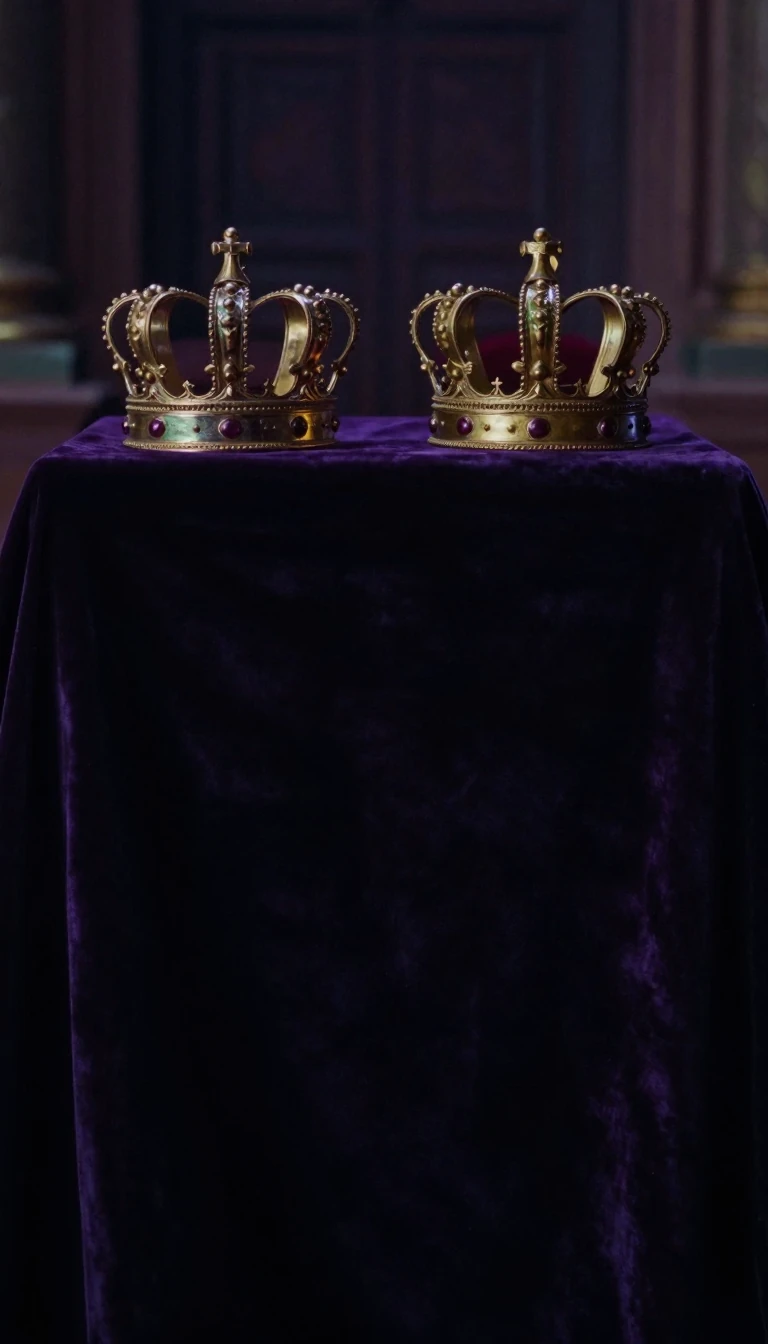 Beyond the throne: the many lives of the world's most powerful headgearA crown is rarely just a hat. From the gold ornaments of pre-colonial Philippines to the religious nuptial diadems of Eastern Orthodox weddings, these symbols of power, divinity, …
- The word jerky comes from the Andes, via Quechua ch'arkiBeef jerky owes its name to ch'arki, a dried meat the Quechua peoples of the Andes traditionally made from llama, cured by fierce mountain sun by day and freezing cold by night. T…
 Gypsy comes from a medieval mistake: Europeans thought the Roma were EgyptiansThe English word Gypsy traces back through Middle English to Egipcien, because medieval Europeans assumed the newcomers were wandering Egyptians. Language and genetics say otherwi…
 One of Earth's oldest cultures has no shared word for itselfThe San of southern Africa may have diverged from other humans 100,000 to 200,000 years ago, by some readings of genetic data. Yet neither San nor Bushmen is their own term. San b…
 International law guarantees self-determination but refuses to say who counts as a peopleEvery people has a right to choose its own political fate, says modern international law. It never says how the choice is made, what the result must be, or even who qualifies. A j…
 The Sioux won a billion-dollar court award and refused to take the moneyIn 1980 the US Supreme Court agreed that land promised to the Sioux in 1868 had been taken illegally. The compensation, with interest, had passed $1 billion by 2018. The Sioux sti…
 Slavs named themselves the people of the word, and Germans the mute onesThe name Slav probably grew from slovo, word: the Slavs were those who understood one another. Their term for Germans meant roughly the silent or mumbling people. That old linguis…
 Nobody can agree what the word Turk originally meantStrong, born, fully ripe, gathered together, or shaped like a helmet: scholars have argued for every one of these as the root of Turk. The word first appears in sixth-century insc…
 The Yoruba call themselves the people who ask if you slept wellOne Yoruba nickname translates as the people who greet you with good morning, did you wake up well? It celebrates an elaborate culture of greetings for every occasion. Behind it s…
- South Africa's largest nation began as a minor clan named for heavenAround 1574 a man called Zulu kaMalandela founded a small clan in what is now northern KwaZulu-Natal. His name meant heaven or weather. Some 250 years later, Shaka turned that mod…
- The hidden history of the cassock: from Roman tunics to clerical identityMore than just a religious robe, the cassock is a garment of deep historical layers. From its roots in ancient Roman and Greek undergarments to its linguistic ties to nomadic cava…
 The world's largest ethnic group is named after a dynasty, and the Milky WayMore than 1.4 billion people, about a sixth of humanity, call themselves Han, after the dynasty that ruled from 202 BC to 220 AD. In ancient poetry the character han meant the Mil…
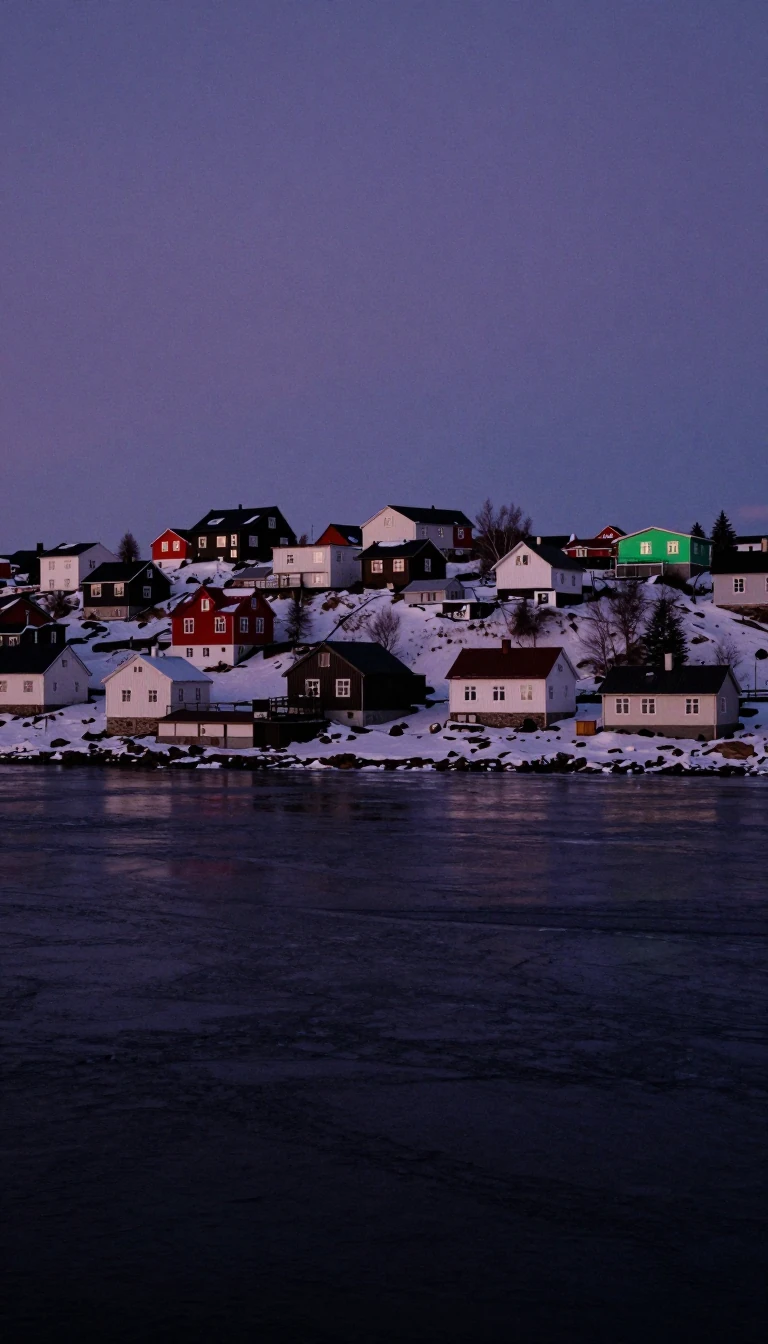 Inuit legends remember the people they replaced across the Arctic as giantsAround 1000 CE, the Thule ancestors of today's Inuit pushed east from Alaska with dog teams and heavier weapons, reaching Greenland within about a century. The earlier Dorset peop…
- Maori, the name of New Zealand's first people, literally means 'ordinary'In the Maori language, maori means normal or natural. Oral traditions used it to set ordinary mortals apart from gods and spirits, and wai maori is fresh water rather than salt. I…
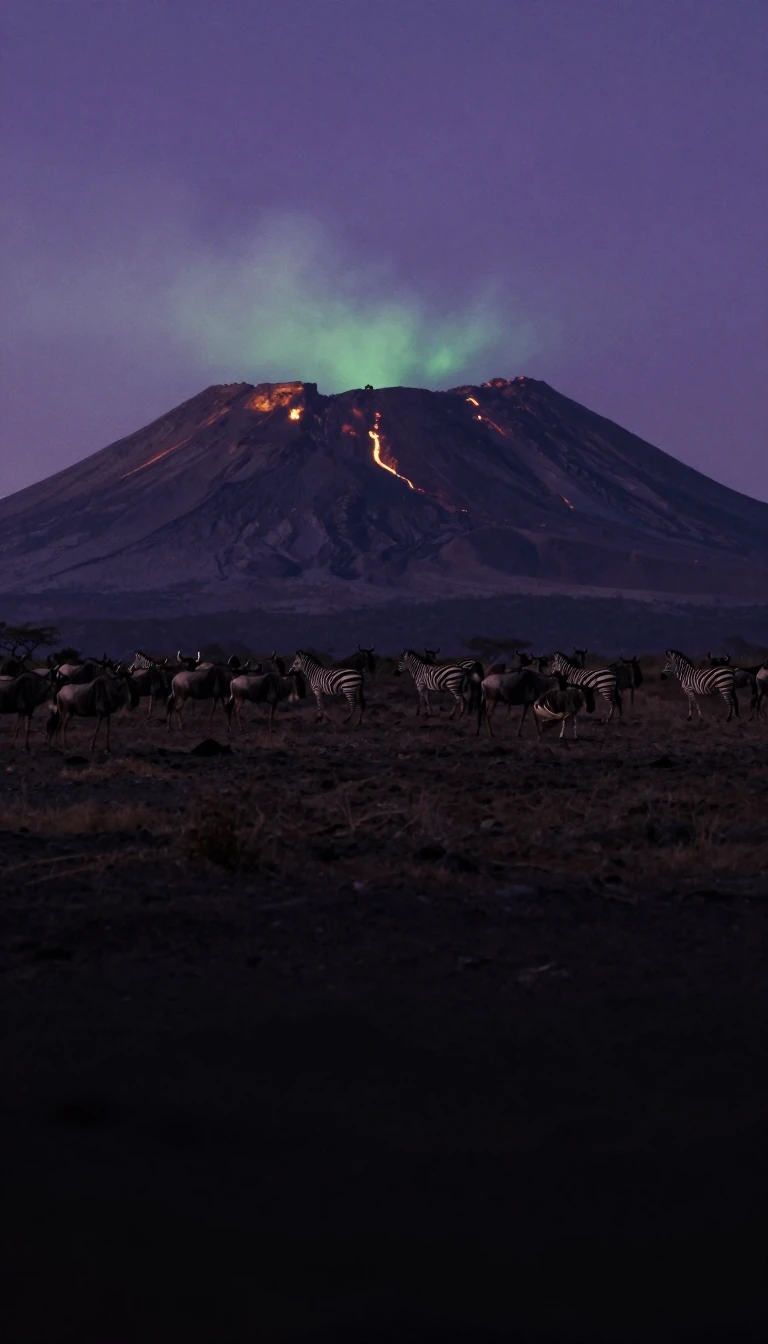 The Maasai once ranged across the Rift Valley, then lost most of their herdsBy the mid-1800s Maasai herders controlled nearly the whole Great Rift Valley from Mount Marsabit to Dodoma, and in 1857 their warriors menaced Mombasa. Within a few decades a dis…
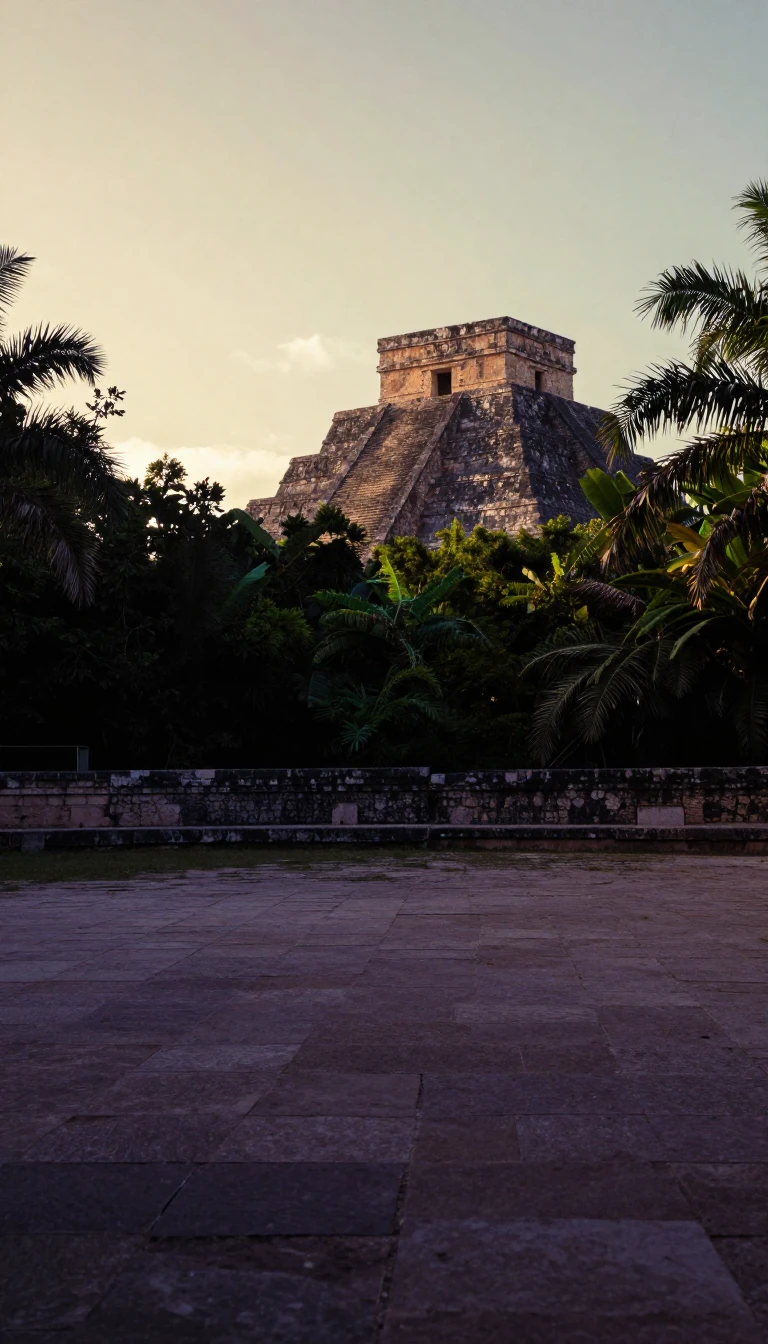 About seven million Maya live today, and 'Maya' was never their shared nameThe ancient cities were abandoned, but the people were not. Some seven million Maya lived across Guatemala, southern Mexico, Belize, Honduras and El Salvador at the start of this …
 The Navajo speak a language whose closest relatives are spoken in Alaska and CanadaDine bizaad, the People's language, belongs to the Athabaskan family, most of whose speakers live in subarctic Canada and Alaska. Around a thousand years ago the ancestors of the …
 India's Constitution avoids the word Adivasi, though millions call themselves by itAdivasi means roughly 'beginning inhabitant', a name tribal activists coined in the 1930s to claim a shared indigenous identity. When India's Constitution was drafted, B. R. Ambed…
 Congo Basin foragers carry some of humanity's oldest surviving genetic lineagesThe forest peoples of Central Africa, long labelled Pygmies, split from other African populations well over 100,000 years ago by genetic estimates. Most dislike the umbrella name,…
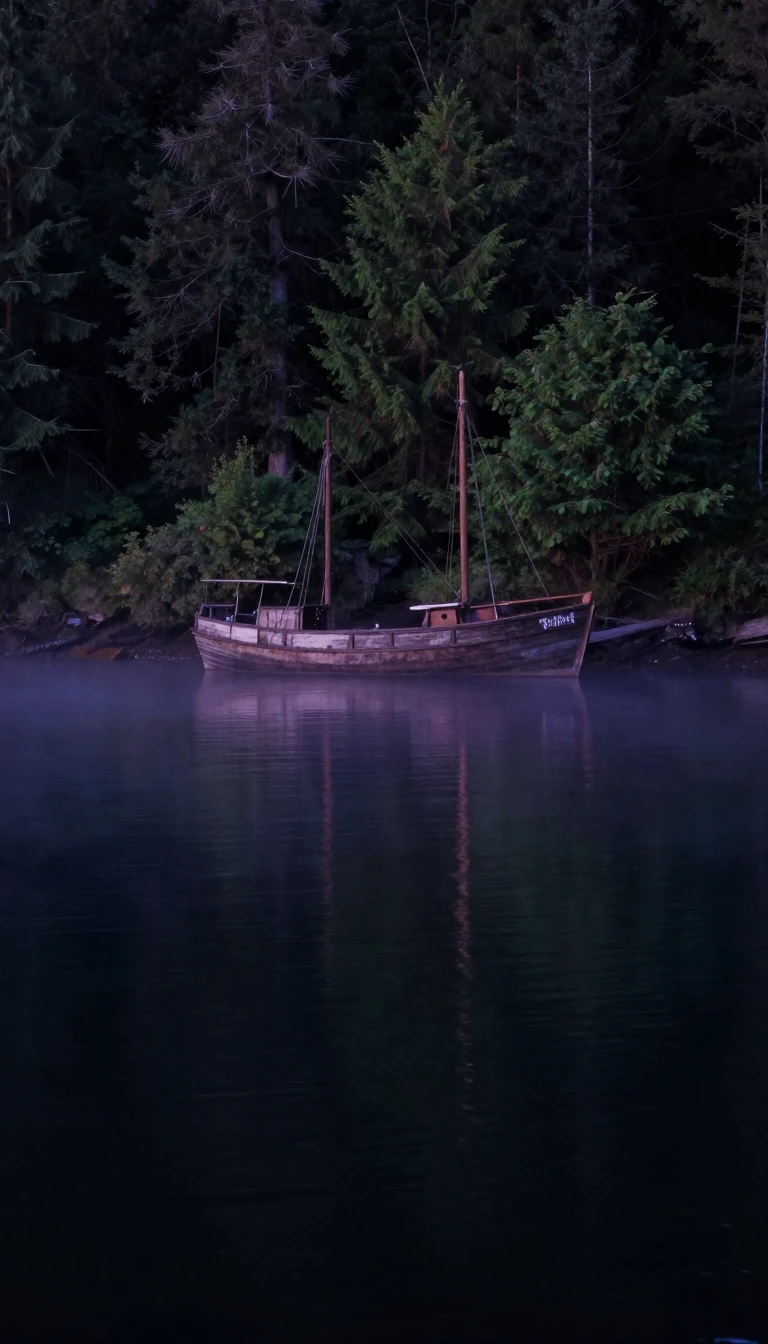 From Taiwan, sailors spread one language family from Madagascar to Easter IslandStarting from Taiwan between about 3000 and 1500 BCE, seafarers with outriggers, catamarans and crab-claw sails settled islands across half the globe. Their descendants in Madagas…