 Intellect Plus
Architecture
136 cards. Each one is a 40-second story with a five-minute read behind it. Page 3 of 3.
 Why Dutch architecture relies on brick and canals to tame a watery landscapeFor centuries, the Dutch have engineered a distinct architectural identity from a landscape defined by shifting sands and peat bogs. Lacking natural stone, they mastered brickwork…
 From Byzantine domes to modern seismic struggles, Turkey's architectural history is a complex evolution.Turkey's architectural landscape spans millennia, from ancient Greco-Roman sites to the grand imperial mosques of the Ottoman era. Yet, the nation's modern trajectory has been def…
 From a medieval gallows to a modernist icon, Berlin’s Alexanderplatz has reinvented itself repeatedly.Once a grim site for executions known as the Devil's Pleasure Garden, Alexanderplatz evolved into a royal suburb, a bustling transport hub, and a symbol of East German modernism. …
 African architecture is defined by a profound dialogue between environment, culture, and available materials.Far from a monolithic style, African architecture spans thousands of years and diverse ecosystems. From the mud-built mosques of Mali to the stone-hewn churches of Ethiopia, build…
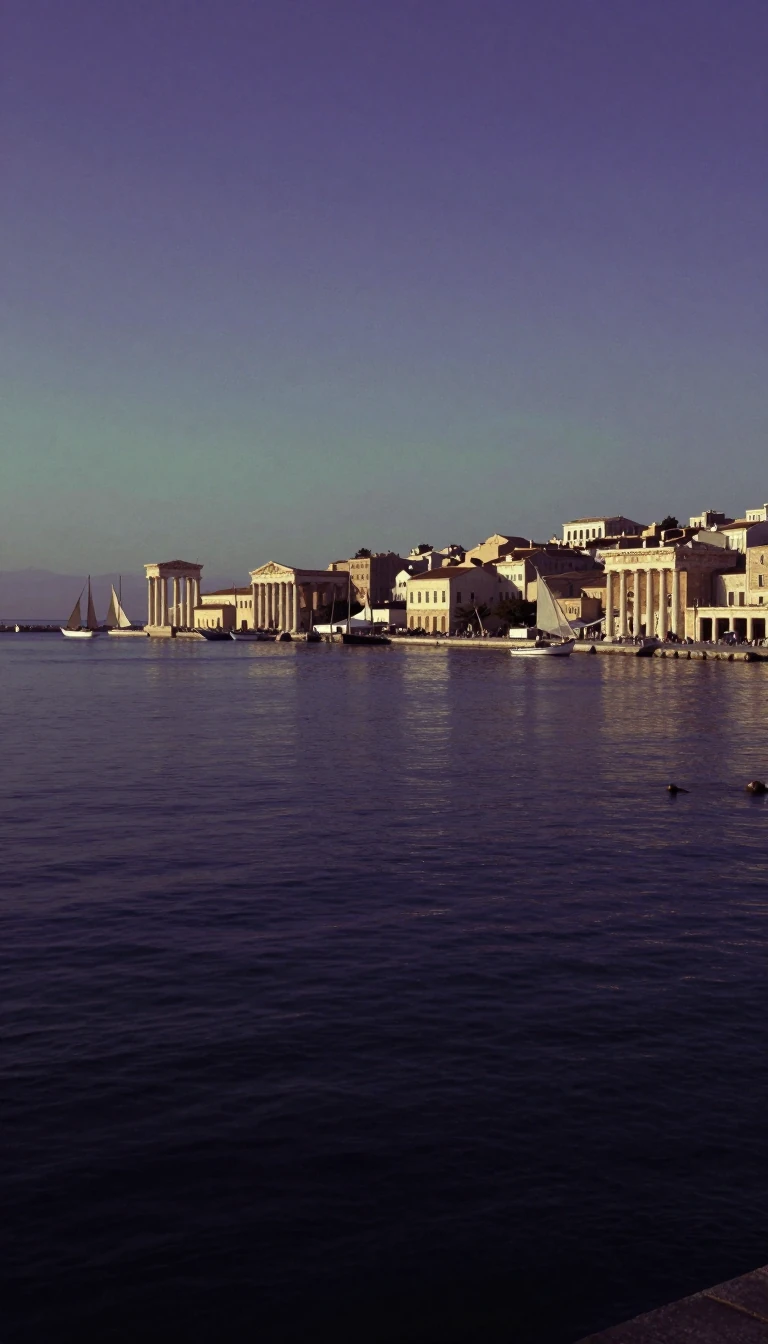 From Crusader castles to Bauhaus skyscrapers, how Israel built its unique urban identityIsrael’s architectural landscape is a layered history of survival and adaptation. From ancient limestone quarries and traditional mud-brick homes to the world’s largest collection…
 How Catherine the Great used porcelain to project a vision of imperial NeoclassicismIn 1776, Empress Catherine II commissioned a massive dinner service from the Sèvres manufactory. This set, featuring eight hundred pieces, was designed to showcase the newest styl…
 Why architectural style is more than just a building's outward appearance or aesthetic.We often categorize buildings by their style, but this concept is a relatively modern invention. Before the 18th century, architects viewed their work as timeless truths rather th…
- How American Architecture Transforms National Ambitions Into Tangible, Everyday Living SpacesFor 250 years, American architects have sought to build the ideals of democracy into the physical landscape. From the intimate, social front porch to the ordered geometry of postw…
- From Gothic cathedrals to Bauhaus, German architecture reflects a complex, shifting national identity.German architecture is a tapestry of European influences and distinct regional character. From the medieval Romanesque period to the functionalist rigor of the Bauhaus school and …
 Why Victorian design was a chaotic, beautiful collision of history and industryVictorian interiors were not a single style, but a bold, eclectic mashup of the past. Driven by the Industrial Revolution, designers blended Renaissance, Baroque, and Gothic motif…
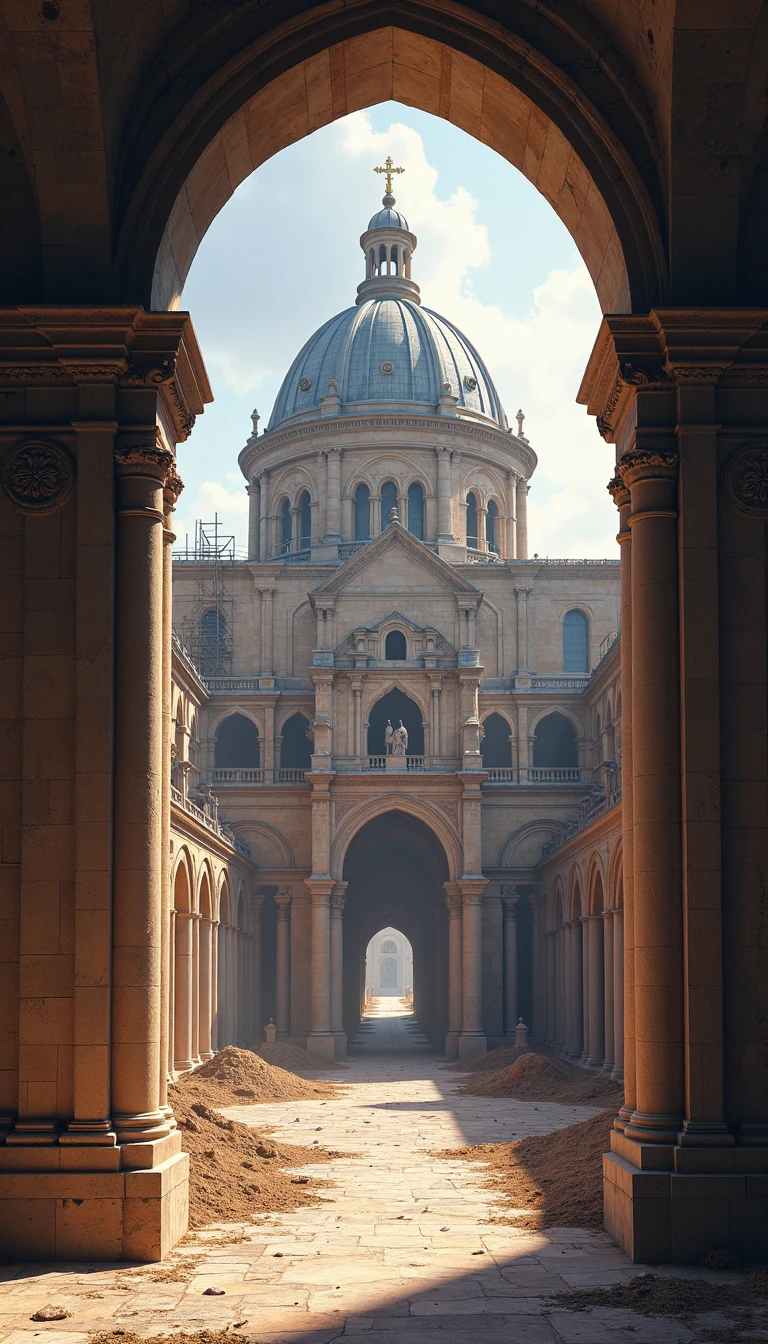 Florence built a cathedral with a gaping hole where its dome should beBy the early 1400s Florence's cathedral had been rising for a century, yet it still had no roof over its crossing. The planned octagonal dome was wider and taller than anything ev…
 The Great Wall is many walls, and Marco Polo never mentioned anyThere was never one Great Wall. Rival states started building border walls in the 7th century BC, the First Emperor stitched some together, and later dynasties added their own. Th…
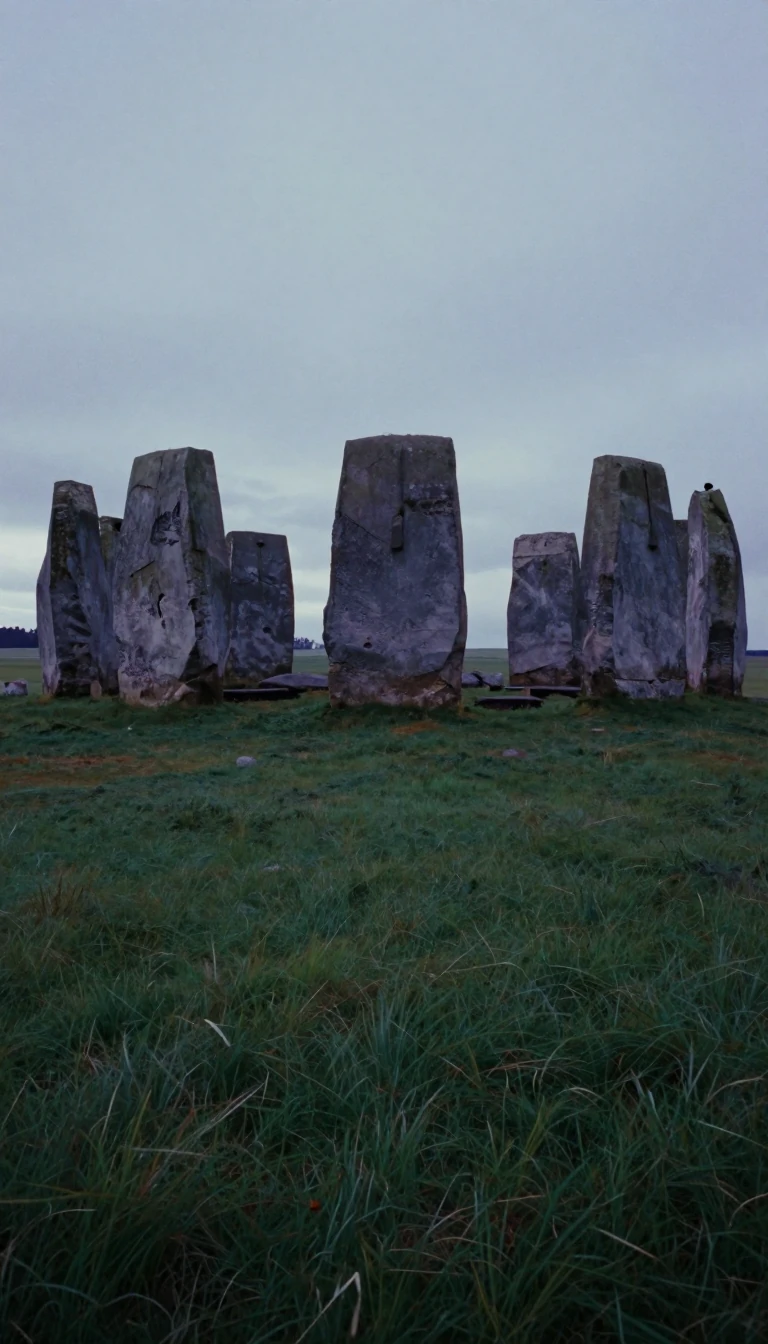 Europe holds more than 35,000 prehistoric structures built from giant stonesFrom Sweden to the Mediterranean, over 35,000 megalithic monuments dot Europe, and the tradition is far older than Stonehenge. Carved pillars at Göbekli Tepe in Turkey date to aro…
 Burning old tally sticks destroyed Britain's medieval Parliament in one nightOn 16 October 1834, workers fed a stove with the Exchequer's obsolete wooden tally sticks. It overheated, set the Lords chamber alight, and most of the medieval Palace of Westmins…
 Paris's greatest artists signed a petition against the Eiffel Tower.In 1887 a 'Committee of Three Hundred', one member per metre of the planned tower, called it useless and monstrous. It was meant to be temporary and due for dismantling in 1909. I…
 The Leaning Tower of Pisa survived because its builders kept going to war.Pisa's bell tower started sinking in 1178, when only two floors were built, on a foundation just three metres deep. Then construction stopped for almost a century while Pisa fough…