 Intellect Plus
Architecture
136 cards. Each one is a 40-second story with a five-minute read behind it. Page 2 of 3.
 Why architects use the human body and geometry to define perfect spacesProportion is the silent language of architecture, bridging the gap between cold mathematics and human experience. From the ancient Vitruvian obsession with the human form to the …
 Registan Square: The Heart of the Timurid Empire and a Masterpiece of Islamic ArchitectureIn the city of Samarkand lies a historic public square that once served as the commercial, educational, and ceremonial hub of the Timurid Empire. Famed for its soaring iwans, turq…
 The 19th-century palace that was a high-tech fantasy of the Middle AgesKing Ludwig II of Bavaria wanted to live inside a fairy tale. While his castle looks like a medieval stronghold, it was actually a masterpiece of modern contradiction, featuring c…
 From Roman ruins to Manueline opulence, Portugal’s architecture tells a story of constant adaptation.Portugal’s built environment is a layered palimpsest, where ancient Roman foundations support medieval castles and the ornate, uniquely national Manueline style. Today, contempora…
 How Peter the Great Built a Versailles Rival Without Using a Single PumpPeterhof Palace was designed to project Russian power over the Baltic Sea, but its most impressive feature is hidden in plain sight. While the estate mimics the grandeur of French…
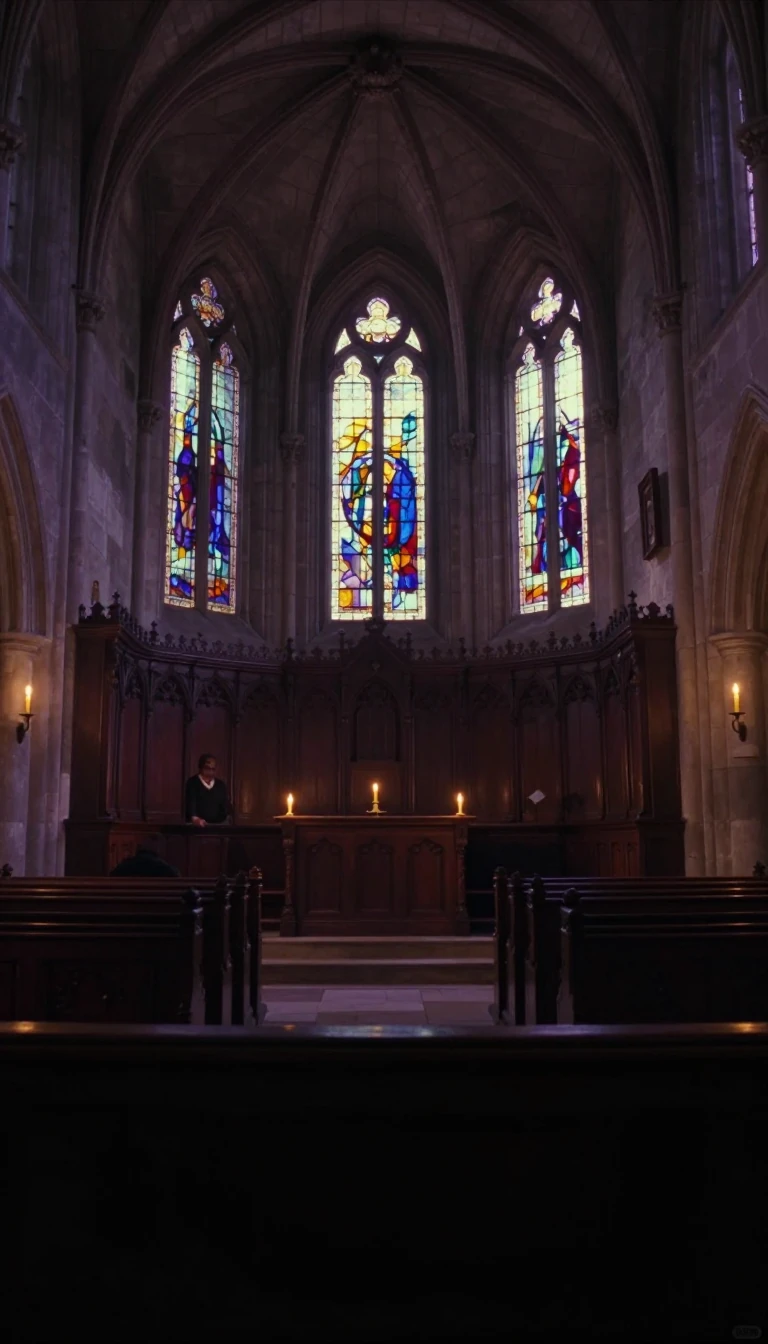 Why the humble pier is the secret hero of architectural stability and designBeyond simple support, the pier is a masterclass in structural engineering. From medieval cathedrals to massive bridge spans, these vertical pillars do more than hold up weight; t…
 The Pillars of Ashoka: Ancient Monolithic Monuments That Defined an Empire's Moral LandscapeErected by the 3rd Mauryan Emperor Ashoka the Great, these massive stone columns served as public proclamations of Buddhist morality. Ranging up to 50 tons and 15 meters in height…
- How Brazil’s National Congress Palace uses mathematical precision to achieve architectural weightlessnessDesigned by Oscar Niemeyer and engineered by Joaquim Cardozo, the National Congress Palace in Brasília is a masterclass in structural defiance. Its iconic domes appear to hover ef…
 Why the Alhambra palace is a masterpiece of hidden brilliance and architectural paradoxThe Alhambra in Granada is a rare survivor of medieval Islamic architecture, famous for its stark exterior and opulent, light-filled interior. By blending complex stucco patterns …
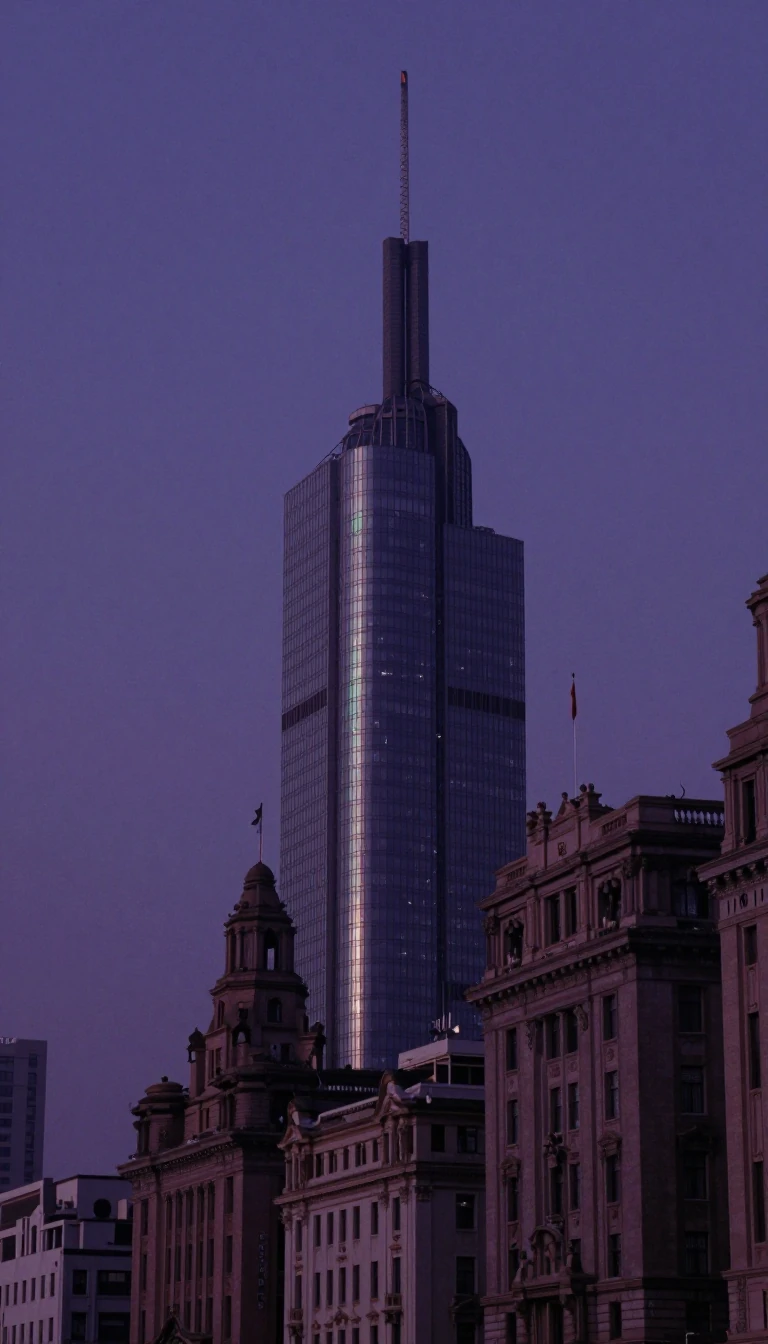 Why New York’s most iconic triangular skyscraper was once mocked as Burnham’s FollyCompleted in 1902, the Flatiron Building defied architectural norms with its daring steel-framed, triangular silhouette. While now a celebrated Manhattan landmark, the structure f…
 How a medieval abbey survived the sea by becoming a masterclass in structural engineeringPerched on a rocky islet between Normandy and Brittany, Mont-Saint-Michel is a triumph of medieval architecture. For centuries, builders adapted to the site's extreme tides and li…
 A Pharaoh’s architectural masterpiece carved directly into the limestone cliffs of Deir el-BahariHatshepsut’s mortuary temple is a feat of ancient engineering, featuring three massive terraces that rise seamlessly into the desert landscape. More than just a tomb, this structu…
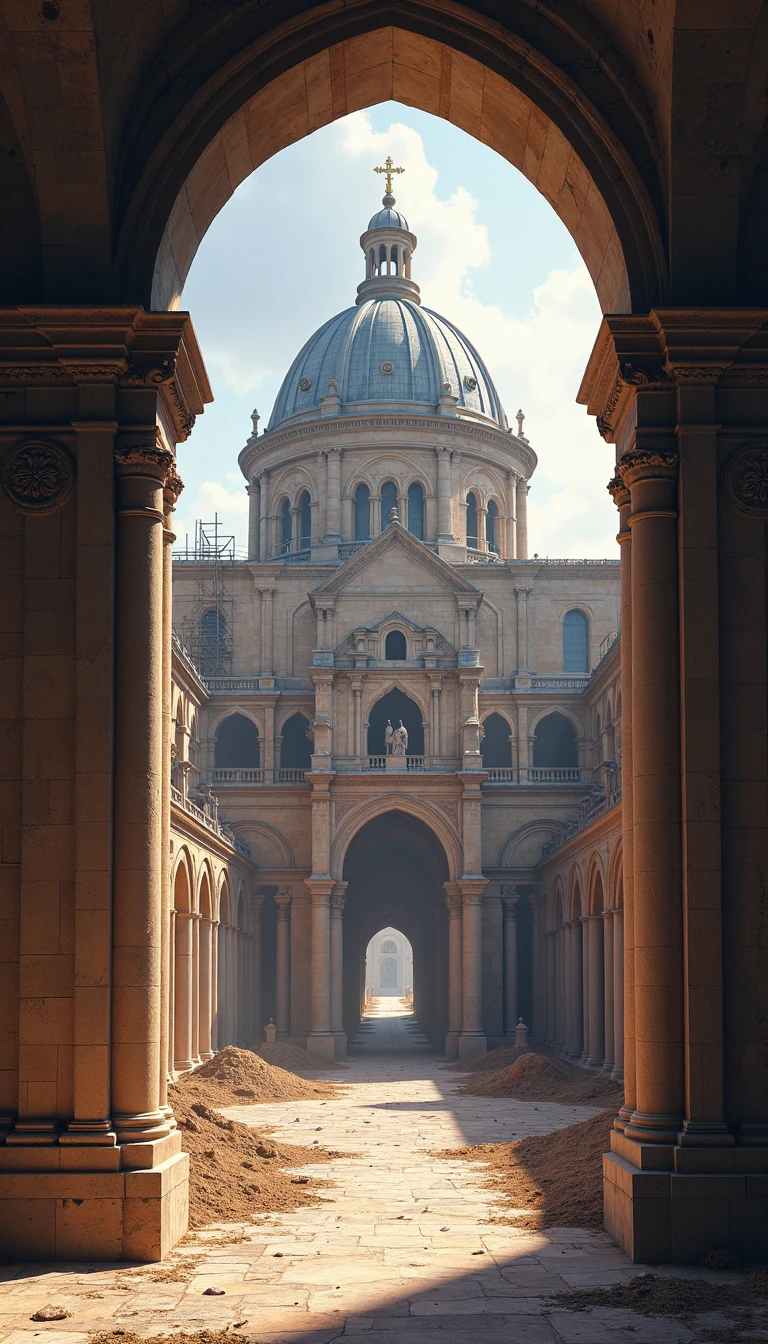 Why Milan’s iconic cathedral took five centuries to reach its final formConstruction of the Milan Cathedral began in 1386, but the project spanned half a millennium, finally concluding in 1965. This architectural marathon resulted in a visual contradi…
 How a national movement built a forest and shrine for a Japanese EmperorFollowing the 1912 death of Emperor Meiji, Japan mobilized its entire citizenry to construct a grand Shinto shrine in Tokyo. This massive project, completed in 1920, relied on don…
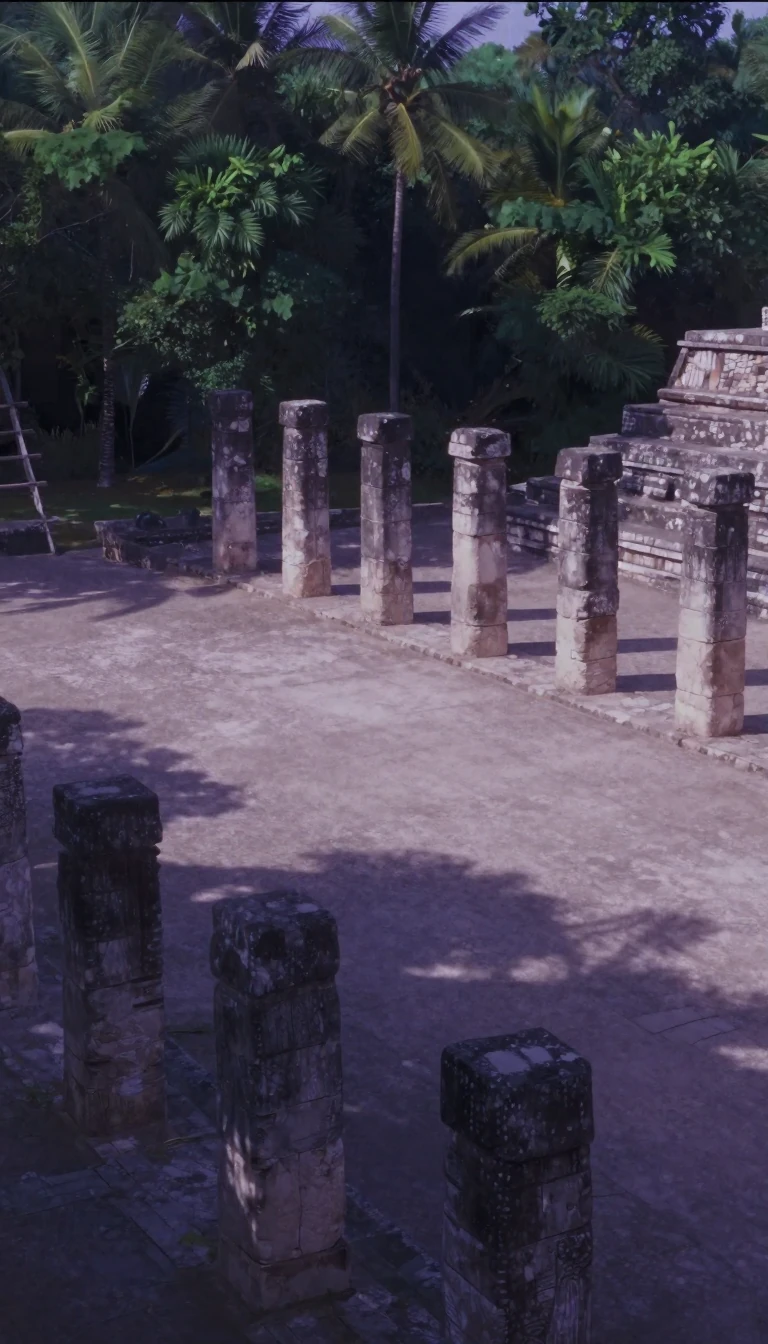 More than just pyramids: the hidden language of Maya stone monumentsWhile the towering step pyramids of the Maya are iconic, their true complexity lies in the details. From limestone reliefs to carved stelae, every architectural fragment served as…
- The temple built without a single nail that survived nine firesPerched on the hills of eastern Kyoto, Kiyomizu-dera is a marvel of ancient engineering. Known for its massive veranda that juts over the hillside using a specialized 'kakezukuri'…
 The belfry: a linguistic evolution from siege towers to bell towersThe word 'belfry' hides a forgotten history of warfare. Originally meaning a mobile wooden siege tower, the term evolved through centuries of linguistic drift. As these towers beg…
- How France traded medieval fortresses for Italian elegance and original flairThe French Renaissance wasn't just a copy of Italian style; it was a sophisticated evolution. By blending the verticality of Gothic tradition with classical symmetry, French archi…
 How a 220,000-word manuscript finally revealed the secrets of a medieval architectural masterpieceKing’s College Chapel is a triumph of late perpendicular gothic design, yet its construction was a chaotic, century-long saga. For decades, historian John Saltmarsh obsessively do…
- Why Korean architecture favors quiet harmony over the sharp, dramatic angles of ChinaKorean architecture is defined by a pursuit of naturalistic simplicity and the avoidance of extremes. While it shares roots with Chinese design, it famously softened the sharp, ag…
- Why Khmer architects built stone mountains to house the gods in the jungleKhmer architecture transformed the landscape of Southeast Asia between the 8th and 15th centuries. By blending Indian influences with local artistic traditions, these builders cre…
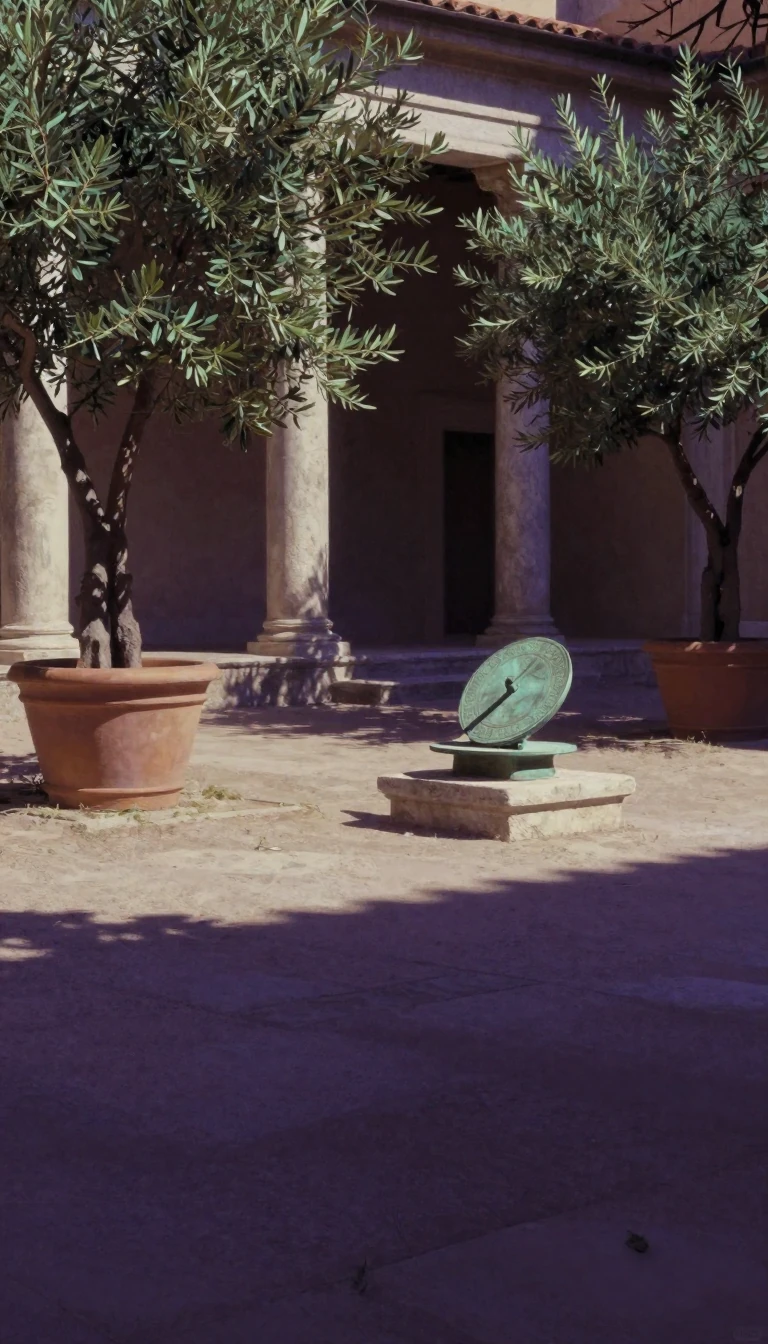 Why Italy’s architectural history is a patchwork of ancient, diverse, and eclectic regional stylesItaly’s architectural landscape defies simple classification, shaped by centuries of political fragmentation into small states. From ancient Roman aqueducts to the Renaissance rev…
 How a brutalist masterpiece in Dhaka became a poetic vessel for light and democracy.Designed by Louis Kahn, the Jatiya Sangsad Bhaban is a monumental legislative complex that transcends its political origins. By reimagining the column as a hollow, light-giving en…
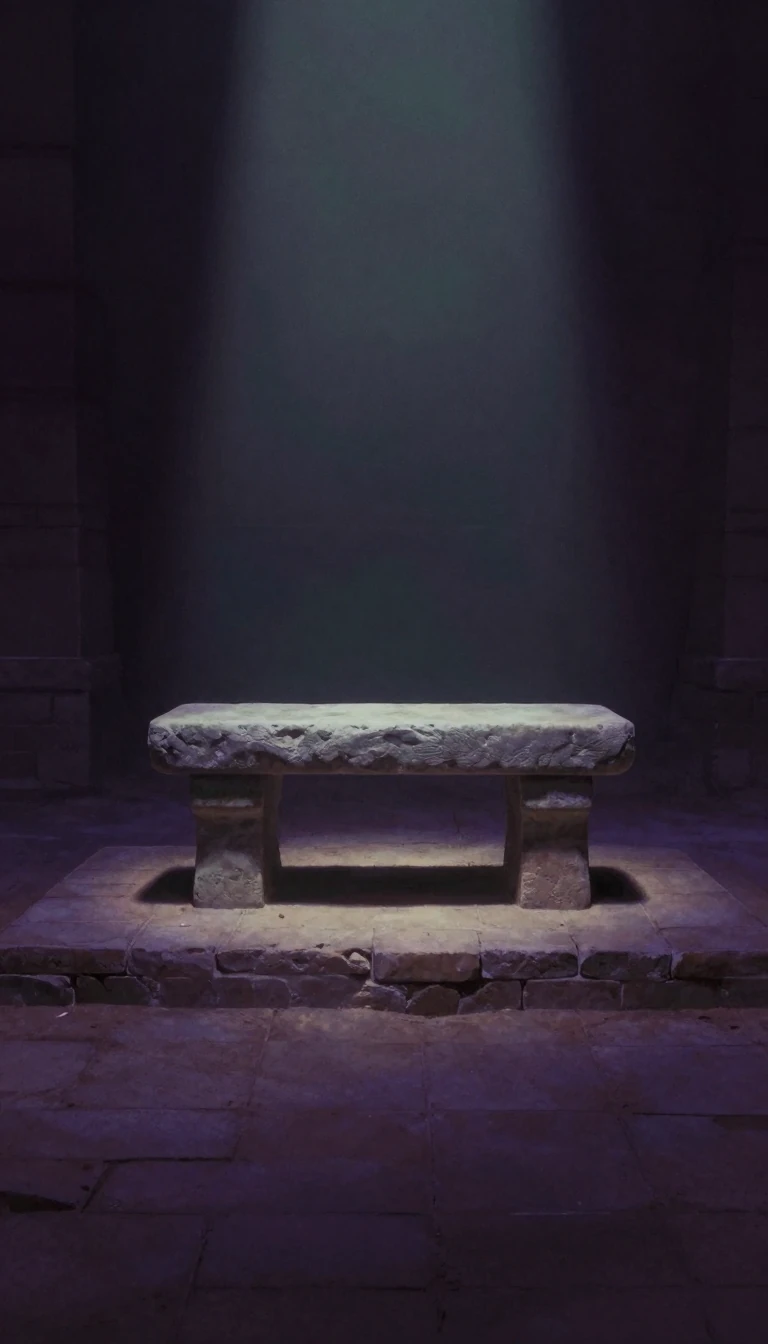 Karnak is not a single building but a sprawling historical document written in stone.Karnak, the northern half of ancient Thebes, evolved over millennia into one of the largest temple complexes on Earth. Far from a uniform design, this site reflects the shifting f…
 The precise engineering behind the humble handrail you grasp every single dayA handrail is more than a simple support; it is a highly regulated safety device. From strict height requirements to specific cross-section dimensions and wall clearances, interna…
- How a Mughal Emperor’s Military Monument Became a Symbol of Resilience and FaithCommissioned by Emperor Aurangzeb to commemorate his military campaigns, the Badshahi Mosque in Lahore has endured centuries of transformation. From serving as a stable for Sikh a…
 Why some buildings stand alone while skyscrapers rise around themA holdout is a property that survives amidst a larger development because the owner refused to sell. From New York City to China, these stubborn structures—sometimes called nail h…
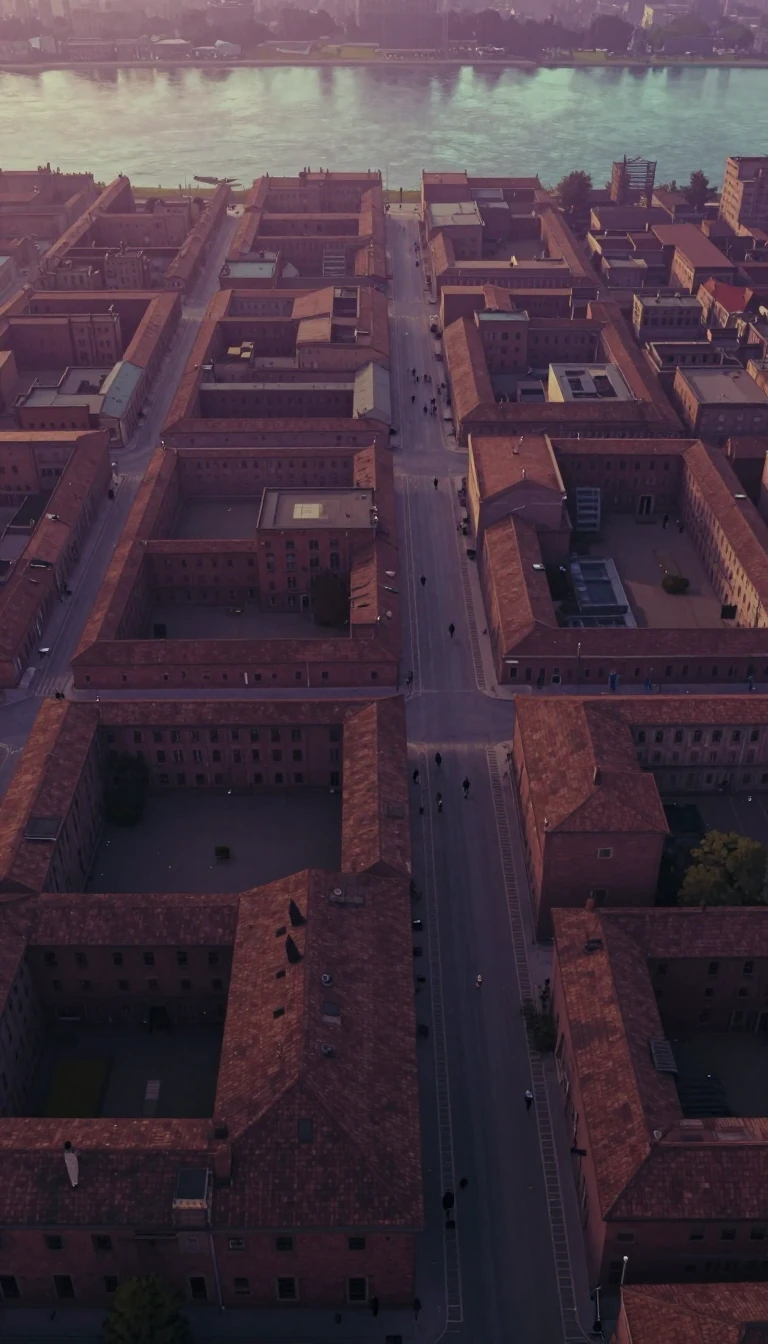 Bangkok's Grand Palace was once a city within a city built from salvaged bricks.Established in 1782, the Grand Palace served as the administrative and religious heart of Siam. Initially constructed from wood, the complex evolved into a sprawling masonry fortr…
- Gyeongbokgung: How a Royal Palace Became a Symbol of Korean Resilience and RestorationEstablished in 1395, Gyeongbokgung served as the primary palace of the Joseon dynasty. After centuries of fire, political turmoil, and systematic colonial demolition, the site is …
- Why New York’s most famous transit hub is technically not a station at allGrand Central Terminal is a masterpiece of Beaux-Arts design, but its name is a point of persistent confusion. While locals often call it a station, the facility is officially a t…
 Guardrails are not just barriers; they are complex systems designed to fail safely.We think of guardrails as rigid walls, but they are actually engineered to deform. By absorbing kinetic energy during a collision, these systems redirect vehicles back onto the ro…
- How a single invention transformed the skyline of FranceFrom the heavy, thick-walled Romanesque churches of the 10th century to the soaring, light-filled Gothic cathedrals, French architecture is a story of structural evolution. Discov…
 Perched on a Los Angeles hilltop, the Getty Center is a masterclass in geometric light.Architect Richard Meier spent twelve years crafting this sprawling campus, using honey-colored travertine and aluminum to manipulate the Southern California sun. By overlaying two…
 Is the world's largest mud-brick structure a masterpiece of African design or colonial influence?The Great Mosque of Djenné is an architectural marvel, standing as the largest adobe building on Earth. While its towering, buttressed silhouette is synonymous with the Sudano-Sah…
 How a medieval watchtower became the most resilient landmark in IstanbulOriginally built as a Genoese watchtower in 1348, the Galata Tower has served as a prison, a fire lookout, and a site for legendary flights. Today, this nine-story stone structure…
- Beyond the barrier: how the humble gate evolved from a simple gap to fortificationA gate is far more than a door. While we often think of them as simple swinging barriers, the concept originated as a mere hole in a wall. From defensive iron grilles in medieval …
- Ancient temples were once built of wood before turning to stoneThe iconic marble columns of Greek antiquity weren't always made of stone. They began as wooden structures, creating a unique architectural phenomenon where the design was essenti…
 The invisible slice: how architects see through wallsA floor plan is not a map, though it looks like one. It is a precise, horizontal slice taken through a building, usually four feet above the floor, designed to reveal the hidden r…
- Why was a massive European stone fortress built on the coast of West Africa?In 1482, the Portuguese constructed Elmina Castle to dominate the regional gold trade. Yet, this architectural marvel—the oldest surviving European building in Sub-Saharan Africa—…
- Why Expressionist Architects Built Utopian Visions on Paper Instead of StoneBetween 1910 and 1930, European architects abandoned traditional forms to chase emotional, biomorphic, and visionary designs. Faced with economic collapse and social upheaval, man…
- How settlers blended old-world traditions with new-world climatesColonial architecture is not a single style, but a hybrid. It emerged when diverse European groups arrived in the Americas and Asia, attempting to recreate familiar European aesth…
 Can we treat the entire planet as a single, living, evolving urban organism?Ekistics is the science of human settlements, aiming to harmonize our physical and social environments. Coined in 1942, this framework views cities not as static structures, but a…
- Why did a Spanish King build a massive, austere monastery in the mountains?Commissioned by Philip II to commemorate a military victory, El Escorial is a colossal Renaissance complex that functions as a palace, monastery, and royal necropolis. Its stark, …
 The Doge's Palace was a perpetual construction site for over a thousand yearsFar from a static monument, the Doge's Palace in Venice was a living, breathing government machine. Ravaged by repeated fires and structural failures, it was constantly rebuilt an…
 Why America’s most popular home style is actually a creative, eclectic historical remixThe Colonial Revival style is not a rigid historical recreation, but a free-spirited interpretation of the American past. Emerging from the 1876 Centennial Exhibition, this moveme…
 Daylighting is the art of using sunlight to illuminate buildings without relying on electricity.Modern architecture often prioritizes artificial light, but daylighting uses windows, skylights, and reflective surfaces to harness the sun. By strategically placing openings and …
- How a Roman hall of justice became the blueprint for Christian worshipThe earliest Christian churches didn't invent their layout from scratch. Instead, they repurposed the Roman basilica—a secular hall of justice—to create a sacred space. From the c…
 How a hollow shell was reborn from the ashes of warIn the wake of the Siege of Leningrad, the Catherine Palace was left as nothing more than a hollow shell. Yet, through meticulous documentation and architectural devotion, this Ru…
- Chapultepec Castle: The Only Royal Palace in North America Inhabited by MonarchsPerched atop a sacred Aztec hill in Mexico City, this fortress has served as a military academy, imperial residence, and presidential home. Despite its fame, the popular reference…
- How a single Burgundian monastery became the spiritual powerhouse of medieval Western ChristianityFounded in 910, Cluny Abbey broke the mold of medieval monasticism. By answering only to the pope and enforcing strict Benedictine reforms, it grew into a massive, centralized net…
- Beyond the church, bell towers have long served as civic symbols of municipal power.While we associate bell towers with religious rituals, these structures have historically functioned as secular landmarks, municipal vaults, and even weather-defying sentinels. Fr…
 Why did Neolithic builders arrange these massive stones into a precise cross-shaped pattern?On the Isle of Lewis, the Callanish Stones stand as a haunting, cross-shaped monument from the Neolithic era. Built around 2750 BC, this complex of standing stones predates Stoneh…
 The Spanish Basilica that survived three unexploded bombs during the Civil WarThe Cathedral-Basilica of Our Lady of the Pillar in Zaragoza is a site of profound religious tradition, reputedly marking the first church ever dedicated to Mary. Beyond its spiri…
- How the Aztecs used architecture to engineer an empire and a worldviewThe Aztec Empire was not just built on conquest, but on a sophisticated architectural language. From floating gardens to massive stone pyramids, their structures were designed to …
- Why did Neolithic people drag thousands of massive granite stones across the French coast?The Carnac stones are the world's largest collection of prehistoric megaliths, featuring over 3,000 granite menhirs arranged in mysterious, precise alignments. While local legends…
- Is the Burj Al Arab a triumph of engineering or a monument to excess?Rising from an artificial island in Dubai, the Burj Al Arab is an architectural icon shaped like a dhow sail. While famous for its supposed seven-star luxury, the structure is a c…
- Why the arch needs a buttress to stop it from collapsing under its own weightAn arch is a marvel of engineering, but it hides a dangerous secret: it constantly wants to push its own supports outward. Without a buttress to counteract this diagonal thrust, t…
- From Roman engineering to modernism, how stone and timber shaped a nationBritish architecture is a layered timeline of power and survival. From the massive stone fortifications used by Norman conquerors to impose authority, to the delicate, light-fille…
- A Monument to Imperial History That Became a Symbol of Modern Iranian FreedomStanding as a striking gateway to Tehran, the Azadi Tower blends ancient architectural motifs with cutting-edge 1970s technology. Originally conceived to celebrate 2,500 years of …
- How Song Dynasty architects turned wooden beams into a sophisticated, high-tech art formSong dynasty architecture was a masterclass in structural innovation, blending complex engineering with refined aesthetics. From soaring pagodas to intricate bracket systems, thes…