 Intellect Plus
Anatomy and morphology
570 cards. Each one is a 40-second story with a five-minute read behind it. Page 3 of 10.
 Beyond the smile: Why your cheeks are more than just a facial featureThe human cheek is a complex anatomical structure that does far more than hold a smile. From acting as a critical barrier during chewing to serving as the primary site for modern …
 Beyond the Pincer: The Complex Biology and Engineering of the Animal ClawA claw is more than a simple hook; it is a sophisticated biological tool made of keratin, engineered for climbing, hunting, and defense. From the retractile blades of a cat to the…
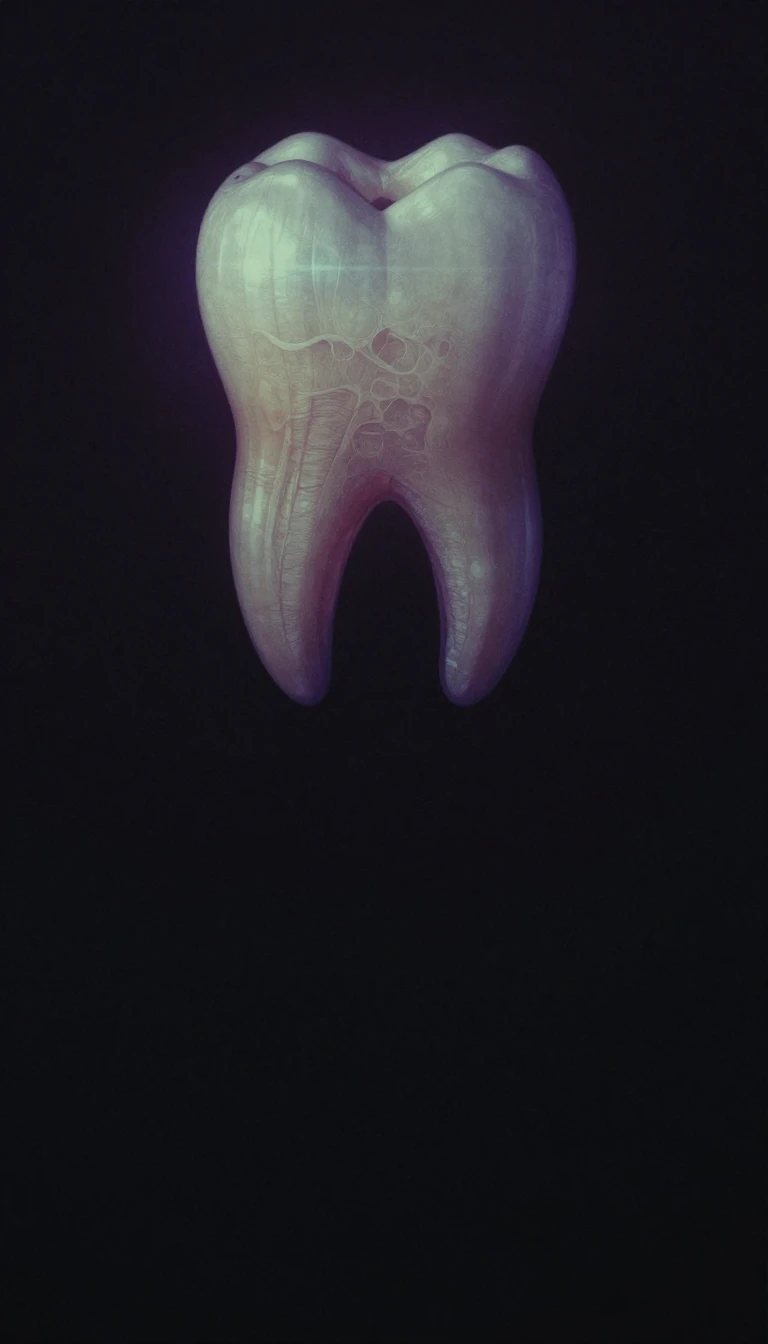 Your inner ear contains a tiny, snail-shaped biological machine that translates sound into electricity.Deep inside your skull lies the cochlea, a spiral-shaped bone structure that acts as the body's primary sound processor. By converting mechanical vibrations into electrical signal…
 Beyond the pine tree: the complex, ancient, and often hidden lives of botanical cones.Botanical cones are far more than simple woody ornaments. These seed-bearing organs, or strobili, are sophisticated reproductive structures that have evolved over hundreds of mill…
 You inhale at least 40 fungal spores every hour, but most are harmless.Conidia are asexual, non-motile fungal spores designed for dispersal. While they are constantly present in the air we breathe, these microscopic travelers are usually benign. Howe…
 The plant cortex is far more than just a simple layer of cells.Tucked between a plant's outer skin and its internal plumbing lies the cortex, a versatile tissue that does everything from storing starch to powering photosynthesis. Far from bei…
 Twelve pairs of nerves connect your brain directly to the world around youYour cranial nerves are the essential bridge between your brain and your senses. These twelve paired structures control everything from your ability to smell and see to the moveme…
 Dendritic cells are the immune system's master messengers, bridging innate and adaptive defenses.Named for their tree-like branches, dendritic cells act as the body's sentinels. They constantly sample their environment for pathogens, process the information, and migrate to ly…
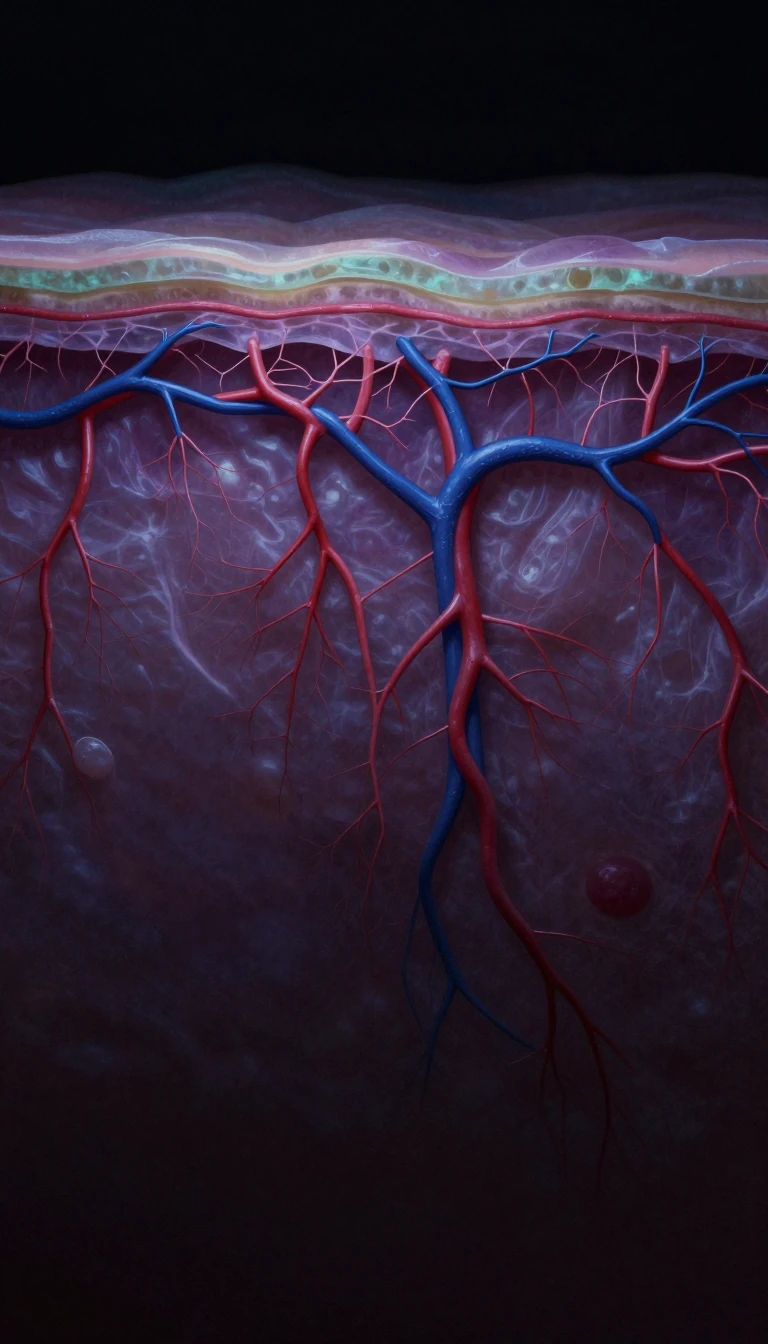 Your dermis is more than just skin; it is the structural foundation of you.Beneath the thin surface of your epidermis lies the dermis, a thick, complex layer that acts as your body's structural anchor. From the leather-like reticular base to the finger-l…
 Why most mammals see the world in only two primary colorsWhile humans generally rely on three types of cone cells to perceive a full spectrum of color, most placental mammals are naturally dichromatic. This limitation, which reduces col…
 From fins to fingers: how the anatomy of digits reveals our deep evolutionary historyDigits are more than just fingers and toes. These skeletal structures, composed of phalanges, have been radically reshaped by millions of years of evolution. From the elongated wi…
 Your eardrum is a delicate biological barrier that often heals itself without medical intervention.This thin, cone-shaped membrane separates your outer ear from the middle ear, acting as a vital transducer for sound. While injuries or infections can cause it to tear, the body i…
 The elbow is a complex hinge joint designed to position your hand in space.More than just a simple hinge, the elbow is a sophisticated mechanical system connecting the humerus to the radius and ulna. It balances stability with a wide range of motion, usi…
 Your body is a chemical network, not just a collection of organs and bones.The endocrine system is a silent, ductless network that regulates your existence through hormones. These chemical messengers travel directly into your blood, controlling everythin…
 The endodermis acts as a microscopic gatekeeper for everything a plant drinks.Deep within a plant's roots lies the endodermis, a tightly packed layer of cells that functions as a biological filter. By utilizing a waterproof barrier known as the Casparian st…
- Your body's hidden inner lining is a master of rapid, microscopic self-repairThe endothelium is a vast, single-cell layer lining every blood vessel in your body. While it acts as a resilient barrier, it is also surprisingly dynamic. When immune cells need …
- Your skin is a living, breathing, and constantly shedding architectural masterpiece of five layers.The epidermis is the body's thinnest layer, yet it serves as our primary shield against the outside world. This complex structure is not just a static covering; it is a dynamic, s…
- Why your body relies on a complex network of duct-based secretors to functionExocrine glands are the unsung engineers of your physiology, constantly secreting essential substances like sweat, tears, and digestive enzymes through specialized ducts. Unlike e…
- Your body is mostly a vast, carefully managed ocean outside of your cells.You are not just a collection of cells; you are a walking ecosystem. About one-third of your body fluid exists outside your cells, forming a critical internal sea. This extracellu…
- Your eyelids are far more than simple skin flaps protecting your visionBeyond their role as biological windshield wipers, your eyelids are complex structures housing specialized oil glands, connective tissue, and a sophisticated sensory network. They…
- Beyond the vampire myth: what exactly defines a biological fang?While pop culture links fangs to blood-sucking monsters, these elongated, pointed teeth serve diverse, practical roles across the animal kingdom. From specialized venom delivery i…
 The unsung architects of your body are shape-shifting cells that never stop workingFibroblasts are the master builders of your connective tissue, constantly sculpting the body's bulk. These versatile cells do more than just provide structure; they act as dynamic…
 The fibula is more than just a calf bone; it is a surgical powerhouse.Often overshadowed by the weight-bearing tibia, the slender fibula is the third longest bone in the human body. While it does not form part of the knee joint, this versatile bone …
 The surprising evolutionary history of fins and their role in modern engineeringFins are far more than simple aquatic appendages. They are ancient biological structures that evolved into human limbs, inspired high-efficiency robotic propulsion, and even serve…
 Why nature's most efficient hydrofoils have bumpy, irregular leading edgesFlippers are not just simple paddles; they are sophisticated, evolved control surfaces that allow marine giants to navigate the ocean with startling precision. While engineers onc…
 Why a tight foreskin is often a normal part of growing upA tight foreskin is common and usually harmless in children, as it naturally remains attached to the glans during early development. While often a source of parental concern, this…
- Why your urinary and reproductive organs share a common biological blueprintThe urinary and reproductive systems are distinct in function, yet they are inextricably linked by their shared embryological origins and anatomical pathways. This intimate connec…
 The gynoecium is the flower's engine of life, transforming simple ovules into protective fruit.Often called the female portion of a flower, the gynoecium is the innermost whorl that produces ovules. Far from just a passive vessel, this complex structure orchestrates fertili…
 Your hair follicles are not just hair-growing tubes, but complex, dynamic biological organs.You cannot pull out a hair follicle; it is a permanent structure embedded deep within your skin. While you might see a bulb at the end of a strand you have plucked, that is merely…
 Your heart valves are biological one-way gates that keep your blood moving forwardThe human heart relies on four precision valves to maintain unidirectional flow. When these structures fail to open fully or close tightly, the heart must work significantly harde…
 Why your body's most common cartilage is a master of shock absorptionHyaline cartilage is the glossy, resilient tissue lining your joints, acting as a vital shock absorber. Despite its importance, it lacks nerves and blood vessels, making it notori…
 The hypocotyl is the unsung architect of a seedling's first journey toward the sun.Beneath the soil, a tiny embryonic stem works to push a plant’s first leaves into the light. This structure, known as the hypocotyl, is the primary engine of early growth. It does…
 The ileum is the body's final, essential stop for nutrient recovery and immune defense.As the longest segment of your small intestine, the ileum serves as a critical checkpoint. It is the primary site for reclaiming bile salts and essential micronutrients like vitam…
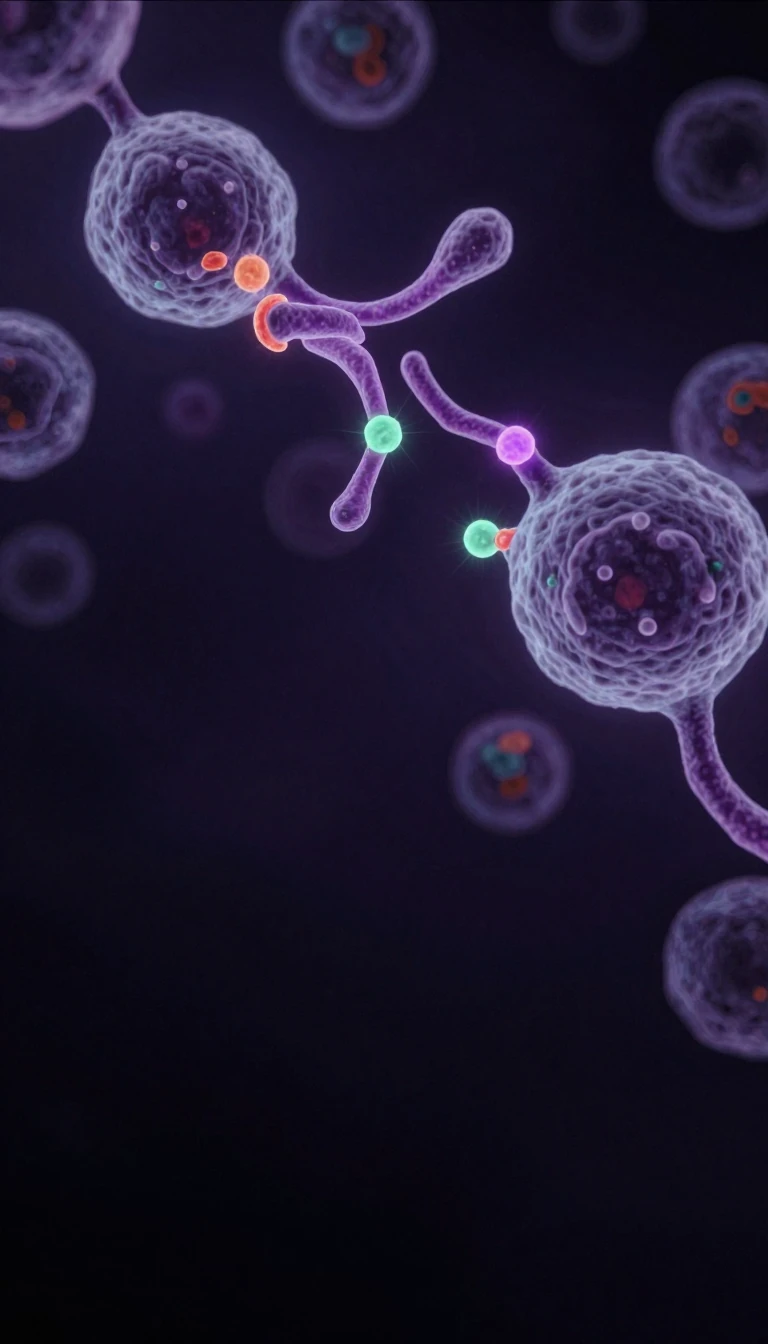 Your body's ancient defense system is a sophisticated, modular network of biological sensorsBefore your adaptive immune system learns to fight specific threats, your innate immunity acts as the first line of defense. Using germline-encoded sensors, it monitors the body f…
 From crushing mandibles to liquid-sipping tubes, insect mouthparts are nature's most versatile tool kit.Insects dominate the planet largely because they have evolved a specialized array of mouthparts to exploit almost any food source. Whether they are chewing solid leaves, piercing …
 Insect wings are complex, multi-layered exoskeletal outgrowths engineered for extreme flight durability and performance.Beyond their role in flight, insect wings are marvels of biological engineering. These delicate membranes, supported by a system of rigid veins, utilize hierarchical composite str…
 The jejunum is named for its tendency to be found empty after death.Tucked into your abdomen, the jejunum is a specialized engine for nutrient absorption. Its name, derived from the Latin for fasting, reflects its intense activity; it moves food a…
 The labia are not just skin folds but highly dynamic, erectile structures of human anatomy.Often misunderstood, the labia are complex, sensitive components of the vulva that change significantly throughout a person's life. Far from uniform, these structures—comprising b…
- The lateral line is a sixth sense that lets fish feel their surroundingsAquatic vertebrates possess a specialized sensory system that detects pressure changes and water movement. This ancient mechanism, known as the lateral line, allows fish to naviga…
 The vertebrate lens is a lifelong growth project that never sheds its oldest cells.Your eyes contain a unique, transparent organ that grows continuously from birth until death. Unlike other tissues, the lens lacks nerves and blood vessels, instead relying on a s…
 Lianas are not a species, but a parasitic growth habit that reshapes entire forests.Lianas are woody vines that climb trees to reach sunlight, acting as both forest bridges and silent killers. By strangling hosts and increasing mortality, these plants fundamental…
 Why your arms and legs are essentially modified fish fins from the distant past.Every tetrapod, from humans to birds, shares a common blueprint for their limbs. These appendages are not just tools for movement but are evolutionary echoes of the pectoral and p…
- Your body relies on a silent, slow-moving river to keep you alive every day.Lymph is the clear, watery fluid that acts as your body's essential waste-management and defense system. Without this constant, slow circulation returning fluid to your bloodstrea…
- Your body has a secondary circulatory system that works without a central pumpWhile your heart tirelessly drives blood through your veins, a silent, secondary network of tubes performs the vital task of fluid management. This lymphatic system collects three…
- The maxilla is a complex, shape-shifting bone that anchors your entire upper face.More than just a jawbone, the maxilla is a pair of fused bones that shape your nose, palate, and eye sockets. It undergoes dramatic structural changes from birth to adulthood, evo…
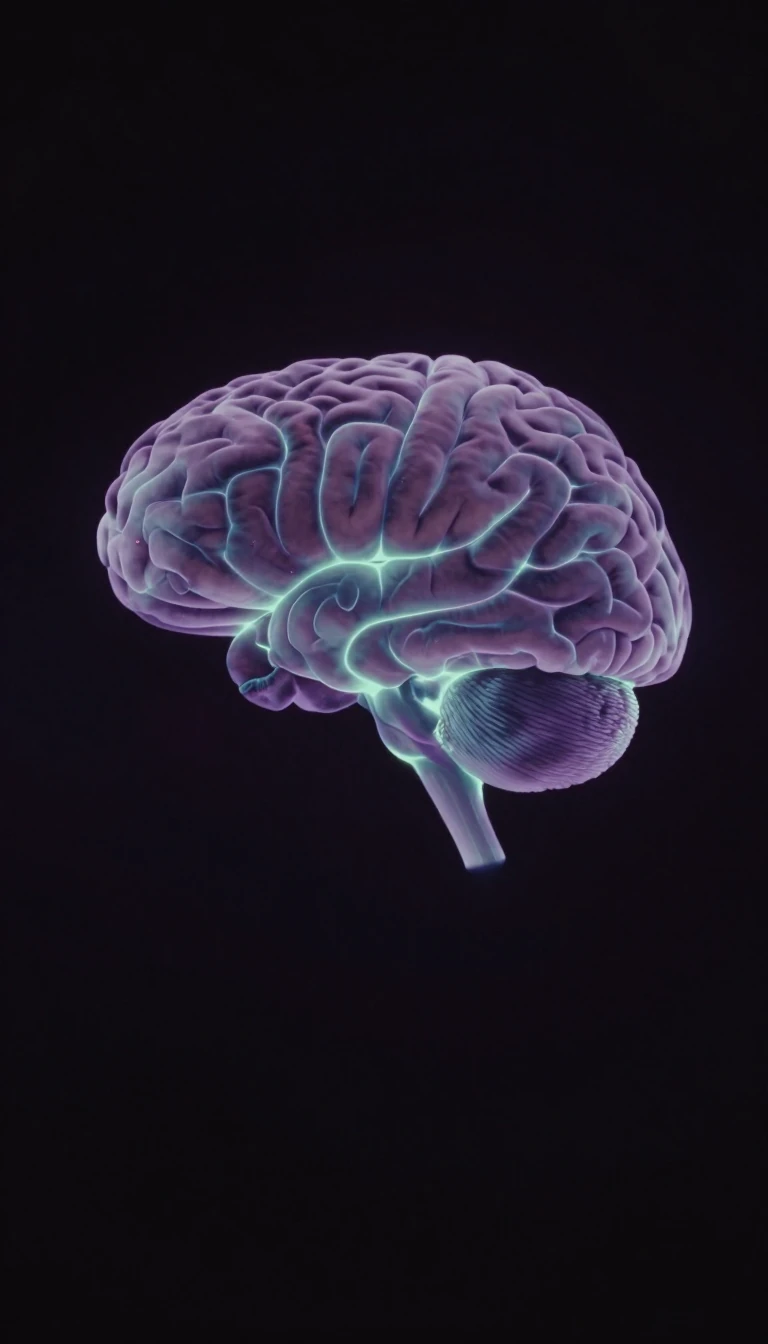 The medulla oblongata is the tiny, vital control center keeping you alive right now.Measuring only about 1.1 inches long, this small structure at the base of your brainstem acts as an automatic pilot for your body. It manages essential, involuntary life functions…
- The five metatarsal bones are the architectural secret behind your ability to walk upright.These tubular bones in your forefoot do more than just connect your toes to your ankle. They form essential arches that absorb shock and distribute your body weight with every ste…
 The mollusc shell is a complex biological machine, not just a simple protective casing.Beyond its role as a sturdy home, the mollusc shell is a dynamic, living structure. Secreted by a specialized organ called the mantle, it acts as a record of the animal's life, do…
- Monochromacy is the rare condition where the world is seen only in shades of grey.Most humans perceive a vibrant spectrum of colors through three types of retinal cones. Monochromacy strips this experience away, leaving individuals with either no functional con…
- Morphology is the study of biological form, from macroscopic structures to molecular complexity.Morphology examines the size, shape, and structure of all living things. While once limited to the bones and muscles visible to the naked eye, modern morphology now uses electron …
- The brain's motor cortex is not just a simple command center for muscle movement.For a century, we believed the motor cortex was a linear map of the body. New research reveals a more complex, concentric organization that includes a hidden network for planning …
- Natural killer cells are the immune system's rapid response team against hidden threats.Natural killer cells are innate immune warriors that patrol your body, scanning for signs of viral infection or malignancy. Unlike other immune cells that require prior sensitizat…
 Why your nostrils take turns breathing and how they influence your mental state.Your nostrils are not just passive air vents. They operate in a rhythmic cycle, prioritizing either breathing or smelling at any given moment. This nasal cycle does more than filt…
- Your occipital lobe is the brain's visual processor, but it does much more than see.Located at the back of your skull, the occipital lobe acts as the primary hub for visual processing. When this region malfunctions, the consequences range from total blindness to …
 Your body is a collection of eleven specialized systems working in perfect, complex harmonyAn organ system is a biological team of organs collaborating to perform vital bodily functions. While we often think of our bodies as singular units, they are actually composed of…
- The smallest bones in your body were once part of your prehistoric jaw.Deep inside your ear, three tiny bones—the hammer, anvil, and stirrup—act as a mechanical lever system to translate air vibrations into sound. Surprisingly, these delicate structu…
- The roof of your mouth is an evolutionary marvel that separates air from food.The palate is more than just the roof of your mouth. This sophisticated anatomical structure divides your oral and nasal cavities, allowing you to breathe and eat simultaneously. …
- The parasympathetic nervous system is the quiet architect of your body's long-term survivalWhile the sympathetic system handles fight-or-flight, the parasympathetic nervous system works in the background to manage rest-and-digest processes. It operates constantly, wheth…
 Beyond beauty, petals are dynamic tools shaped by climate and the need for survival.While we often view petals as mere decorative ornaments, they are sophisticated biological structures. Their size, shape, and presence are not just for attracting pollinators; the…
- Your eyes are not cameras, but biological sensors that turn light into neural code.Photoreceptors are specialized neurons at the back of your retina that convert light into electrical signals. While we often compare eyes to cameras, these cells perform a far mor…