 Intellect Plus
Contemporary (1945-)
203 cards. Each one is a 40-second story with a five-minute read behind it. Page 3 of 4.
 The Battle of Sirte: How a Month of Urban Warfare Ended the Libyan ConflictThe Battle of Sirte was the final, decisive clash of the First Libyan Civil War. As Muammar Gaddafi’s hometown and last major stronghold, the city became a ruinous theater of chao…
 The 2004 Beslan school siege remains a haunting turning point in modern Russian history.On September 1, 2004, militants seized a school in Beslan, Russia, holding over 1,000 people captive for 53 hours. The tragedy, which claimed more than 330 lives, triggered a mass…
 How a city of children forced the American government to confront systemic racial inequalityIn 1963, Birmingham was the most segregated city in the United States. When adult protesters faltered, organizers turned to students. This Children's Crusade, featuring peaceful m…
 When the World's Stock Markets Collapsed in a Single Day of Financial ChaosOn October 19, 1987, global financial markets suffered a historic, sudden crash. Known as Black Monday, the event saw the Dow Jones Industrial Average plummet by over 22 percent i…
 Why Australia’s deadliest bushfire day released the energy of 1,500 atomic bombsOn February 7, 2009, Victoria faced the worst fire conditions in its history. Temperatures soared to 115.5 degrees Fahrenheit, and gale-force winds turned forests into giant fireb…
 How a Swedish arms deal triggered a decades-long political earthquake in IndiaIn the 1980s, a massive contract for 410 howitzers turned into a scandal that toppled a government and defined Indian politics for a generation. Allegations of kickbacks, internat…
 The 1992–1995 Bosnian War was an ethnically rooted conflict that reshaped a nation.Following the collapse of Yugoslavia, Bosnia and Herzegovina descended into a brutal three-way war. Driven by nationalist manipulation and territorial ambitions, the conflict saw …
 How a Liverpool quartet turned a transatlantic musical obsession into a global youthquakeIn the mid-1960s, a wave of British rock groups swept across the United States, fundamentally altering youth culture and the nature of songwriting. Led by the Beatles, this moveme…
 How Mao Zedong used the Korean War to consolidate power through mass political purgesBetween 1950 and 1953, the People's Republic of China launched a massive campaign to eliminate perceived internal enemies. By framing the suppression of former officials and dissi…
 A massacre at a shared holy site shattered the fragile peace of the 1990s.On February 25, 1994, an American-Israeli physician entered the Ibrahimi Mosque in Hebron and opened fire on hundreds of worshippers. The attack killed 29 people and wounded 125, …
 How a satirical magazine became the epicenter of a global free speech crisisIn January 2015, two brothers stormed the Paris offices of Charlie Hebdo, murdering twelve people in a targeted attack. The violence, fueled by the magazine's provocative depictio…
 Is the U.S.–China trade war a fight over goods or global dominance?What began as a series of targeted tariffs in 2018 has transformed into a profound struggle for geopolitical and technological supremacy. While the conflict centers on trade defic…
 Climate change adaptation is more than just building walls against rising sea levelsAdaptation is the strategic process of adjusting to both current and anticipated climate impacts. While often associated with physical infrastructure like seawalls, it encompasses…
 How the FBI used covert sabotage to dismantle American civil rights movementsBetween 1956 and 1971, the FBI operated a secret program called COINTELPRO to neutralize domestic groups it deemed subversive. By painting activists as communists and inciting int…
 Are colour revolutions spontaneous uprisings or a sophisticated new form of Western warfare?Colour revolutions are non-violent movements in post-Soviet states and the former Yugoslavia aimed at establishing Western-style democracy. Often triggered by contested election r…
 Why Marx believed capitalism was destined to collapse under its own internal contradictionsKarl Marx argued that history is a series of class struggles driven by economic conditions. He predicted that industrial capitalism, which relies on the exploitation of the prolet…
 Was the COVID-19 recession caused by government lockdowns or by individual human behavior?While lockdowns are often blamed for the 2020 economic collapse, data suggests a more complex reality. Research indicates that the vast majority of the decline in economic activit…
 How Venezuela’s economic collapse triggered a humanitarian crisis and mass emigrationOnce defined by oil-funded social programs, Venezuela has endured the most severe economic contraction in its modern history. Hyperinflation, systemic corruption, and the erosion …
 Oceania’s path to independence was a complex transition, not a single moment in time.While many nations celebrate a specific independence day, the decolonisation of Oceania was a multifaceted process that unfolded differently across the region. From the gradual au…
 The collapse of European empires in the Americas was driven by power vacuums, not just rebellion.Independence across the Americas was not a singular event, but a complex, century-long unraveling of colonial authority. While the American Revolution provided the initial spark, …
 Was the Allied effort to purge Nazi ideology from Germany a success or failure?Following World War II, the Allies launched a massive program to strip Nazi influence from German society. It began with zealous questionnaires and sweeping purges, but quickly de…
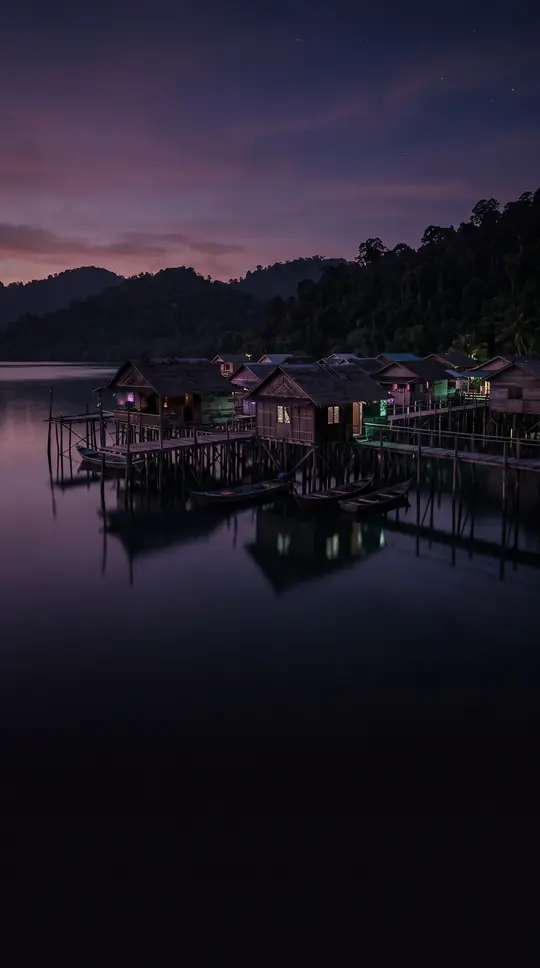 How an 87-year-old retired leader forced China back onto the path of economic reformIn early 1992, Deng Xiaoping embarked on a clandestine southern tour to rescue his stalled reform program. Despite holding no formal government office, his bold rhetoric and press…
 Why the long-standing American project of school desegregation peaked in the late 1980sDesegregation was once a central pillar of the American civil rights movement, transforming everything from military units to neighborhood housing. Yet, decades after landmark leg…
 How a forgotten Cold War conflict in Oman reshaped the Arabian Peninsula's futureIn 1965, a Marxist insurgency erupted in the remote Dhofar region of Oman, challenging British influence and an absolute monarchy. What began as a local separatist struggle transf…
 How humanity evolved from mapping wanderer stars to discovering a galaxy of planetary systemsFor millennia, humans viewed the Solar System as the entire universe, governed by geocentric models and religious cosmology. Today, we recognize our sun as one of countless stars,…
 Why the name of a vast Chinese region is a battleground for sovereigntyThe movement for an independent East Turkestan represents a complex clash of historical narratives and modern geopolitics. While Beijing views the region as an integral part of Ch…
 Why do governments loosen their grip on the economy through the process of liberalization?Economic liberalization is the deliberate removal of government controls to foster competition and growth. While often framed as a path to efficiency, it is a complex balancing ac…
 The 1952 Egyptian coup was not a revolution, but a military takeover from above.On July 23, 1952, a group of military conspirators known as the Free Officers toppled the Egyptian monarchy. While often remembered as a revolutionary uprising, it was actually a …
- The snake and the axe: how a student group became a paramilitary forceFounded in 1959 by students seeking Basque independence, ETA evolved from a nationalist movement into a clandestine paramilitary organization. For decades, it waged a violent camp…
 Why the Eurozone’s shared currency made a regional debt crisis nearly impossible to escapeBeginning in 2009, the eurozone faced a brutal period of economic instability. While countries like Iceland could devalue their currency to recover, eurozone members were trapped …
 From Cold War competition to a permanent lunar base: the evolution of moon explorationFor centuries, humanity viewed the moon as a distant, mysterious orb. In the mid-20th century, the Cold War transformed our cosmic partner into a theater for technological dominan…
 How a single cigarette raid ignited a massacre that defined modern Taiwan's identityIn 1947, a violent encounter between monopoly agents and a widow in Taipei sparked an island-wide uprising against Nationalist rule. The subsequent military crackdown left thousan…
 How a 1954 island skirmish locked the United States into a decades-long Asian allianceWhen the People’s Republic of China began shelling offshore islands in 1954, it triggered a crisis that forced the United States to choose sides. The resulting mutual defense trea…
 How a solitary school strike outside a Swedish parliament ignited a global youth movementIn 2018, fifteen-year-old Greta Thunberg began skipping school to protest climate inaction outside the Swedish parliament. Her solitary stand, marked by a simple sign, rapidly evo…
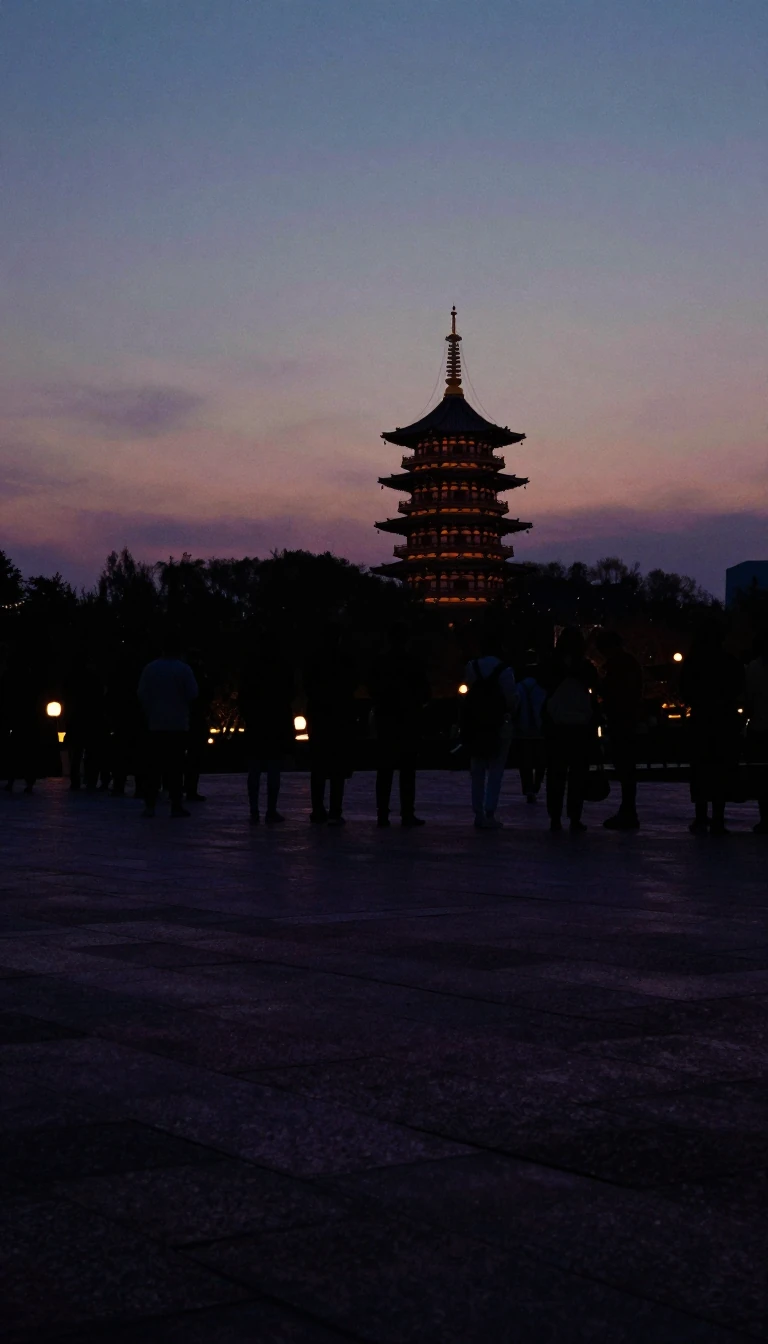 Why Generation Z is toppling governments and rewriting the global political orderBy late 2025, mass youth protests had erupted from Kathmandu to New York, toppling national governments and challenging the status quo. Once dismissed as apathetic, Generation Z h…
 How a Devastated Kansas Town Rebuilt Itself as a Model of Sustainable LivingOn May 4, 2007, an EF5 tornado leveled 95% of Greensburg, Kansas. Rather than simply replacing what was lost, the community leveraged federal recovery plans to transform into a gr…
 The early rain that washed away thousands: Zimbabwe's hidden history of GukurahundiBetween 1983 and 1987, a North Korean-trained military unit systematically targeted civilians in Zimbabwe’s Matabeleland and Midlands provinces. Known as Gukurahundi, the campaign…
- Did a phantom naval battle in 1964 trigger the escalation of the Vietnam War?In August 1964, the United States reported two separate attacks on its destroyers in the Gulf of Tonkin. While the first engagement occurred, the second was a complete fabrication…
 When a City Rose Against a Dictatorship: The Truth of the Gwangju UprisingIn May 1980, the South Korean city of Gwangju erupted in a desperate, citizen-led rebellion against a brutal military takeover. Though the uprising was crushed within days, it bec…
 The Highway of Death: A contested symbol of Gulf War destruction and military ethicsDuring the 1991 Gulf War, coalition forces decimated a massive column of retreating Iraqi troops on Highway 80. The resulting wreckage became one of the conflict's most haunting i…
 How Poland Became a Homogeneous Nation-State Through Postwar Political Engineering and Demographic UpheavalAfter World War II, Poland underwent a radical transformation, shifting its borders and purging its population to become an ethnically homogeneous state. Under Soviet influence, t…
 Born from the ashes of global conflict, the United Nations replaced a failed predecessor.The United Nations emerged from World War II as a bold attempt to secure lasting peace. Conceived by Allied leaders to supersede the ineffective League of Nations, the organizatio…
- How a network of jungle paths became a decisive military engineering marvelThe Ho Chi Minh Trail was far more than a simple footpath. It was a sophisticated, evolving logistical artery that sustained North Vietnamese forces through the most intense air b…
- How a Zaydi revivalist movement in northern Yemen became a global military forceThe Houthi movement began as a local Zaydi religious network in northern Yemen, seeking to preserve traditions against perceived foreign encroachment. Over two decades, it transfo…
- Why Mao Zedong invited his critics to speak before silencing them foreverIn 1956, Mao Zedong launched the Hundred Flowers Campaign, urging Chinese citizens to openly criticize the Communist Party. It was a brief, deceptive experiment in free speech. On…
 When a loaf of bread costs ten billion: the collapse of the Zimbabwean dollarIn 2008, Zimbabwe’s currency suffered a catastrophic hyperinflationary spiral, reaching an estimated 89.7 sextillion percent year-on-year. As the government printed money to fund …
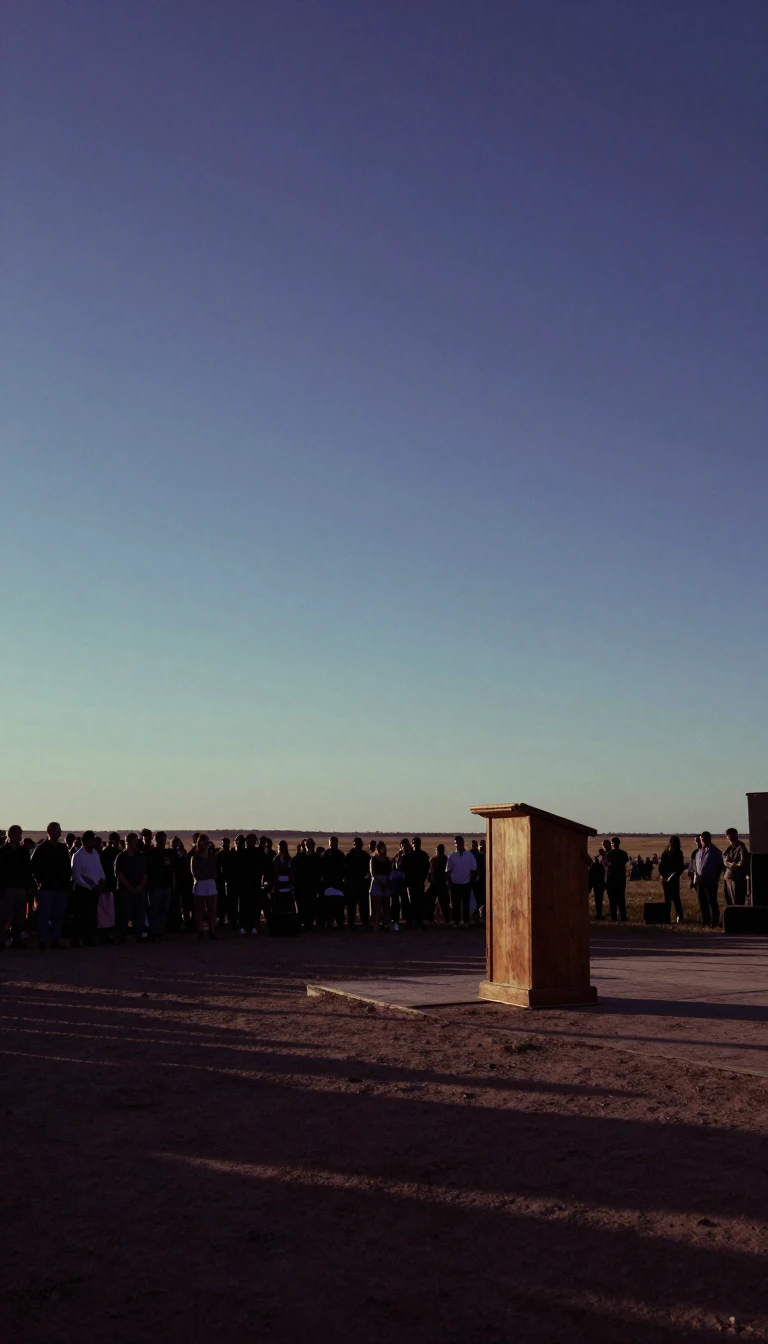 Why the most famous speech in American history was almost never deliveredMartin Luther King Jr. arrived at the 1963 demonstration without a finalized script. While he had been refining the dream motif for years, the iconic peroration was an improvised …
 The 1972 Ikiza: How a Tutsi-led regime systematically eliminated Burundi's educated Hutu elite.In 1972, Burundi descended into the Ikiza, a state-orchestrated genocide targeting the country's Hutu population. Triggered by a failed Hutu uprising, the Tutsi-dominated governme…
 In 1961, India ended 451 years of Portuguese rule in a swift two-day conflict.Known as Operation Vijay, India’s military annexation of Goa, Daman, and Diu concluded centuries of Portuguese colonial presence. While India celebrated the event as a long-awaite…
 Why did the United States support Indonesia’s brutal 1975 invasion of East Timor?When Indonesia invaded East Timor in 1975, it triggered a quarter-century of occupation that claimed one-third of the population. Behind the scenes, the United States provided cru…
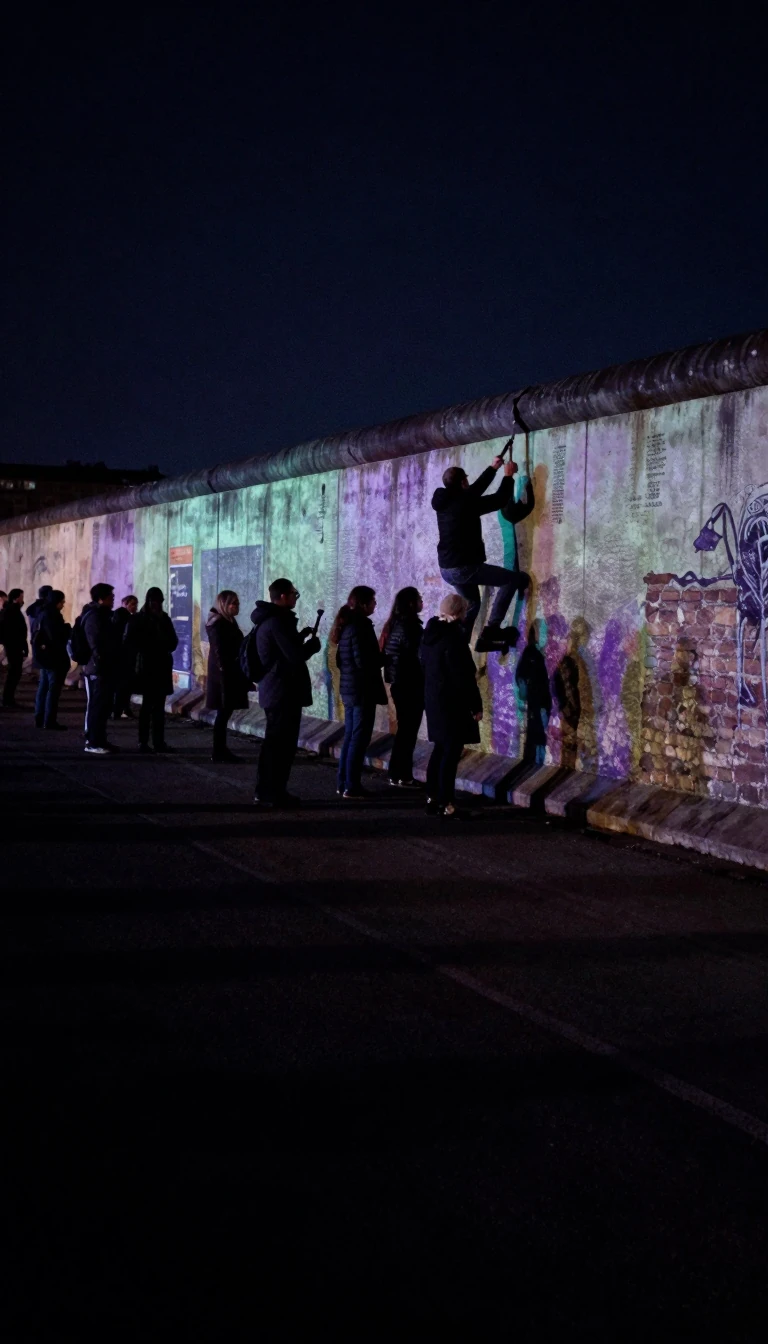 The Iron Curtain was not just a metaphor, but a 1,381-kilometre physical barrier.For 45 years, a lethal, heavily fortified frontier sliced through Germany. It was designed to stop citizens from fleeing the East, turning a national boundary into a landscape of …
- How South African activists transitioned from peaceful civil disobedience to armed struggle against apartheid.Apartheid created a world of extreme inequality, forcing a marginalized majority to fight for survival. Initially, activists relied on nonviolent defiance, strikes, and mass prote…
 How Japan transformed from post-war ruin into the world's third-largest economy in decades.Following the devastation of World War II, Japan orchestrated an unprecedented economic ascent. Through heavy state intervention, strategic industrial protectionism, and the ambit…
- Why did nearly a million Jews leave Muslim-majority countries during the twentieth century?Between 1948 and the 1970s, approximately 900,000 Jews migrated from across Asia and Africa. This mass movement, driven by a complex interplay of Zionist pull factors and regional…
 The Soviet kolkhoz was a state-run production machine, not a true cooperative farm.While officially described as voluntary cooperatives, Soviet kolkhozes functioned as tools for state industrialization. Members were often paid in grain rather than cash, and the …
- Why did the United States suddenly decide to defend a nation it had previously abandoned?In early 1950, the U.S. signaled that Korea lay outside its defense perimeter. Yet, by June, American forces were committed to a massive military intervention. This pivot was not …
 How a nation transformed from a censored state into a global cultural superpowerThe Korean Wave, or hallyu, describes the explosive rise of South Korean culture since the 1990s. Once restricted by military censorship, the country pivoted to turn pop music, te…
 The Kurdistan Workers' Party: From Marxist Insurgency to a 2025 Call for DisarmamentFounded in the late 1970s by Abdullah Öcalan, the PKK evolved from a radical Marxist group seeking an independent Kurdish state into a force demanding autonomy. After decades of v…
- Why Russia and Japan have remained technically at war for nearly eighty yearsThe Kuril Islands dispute is a lingering ghost of World War II. Despite decades of negotiations, Russia and Japan have never signed a formal peace treaty. At the heart of the dead…
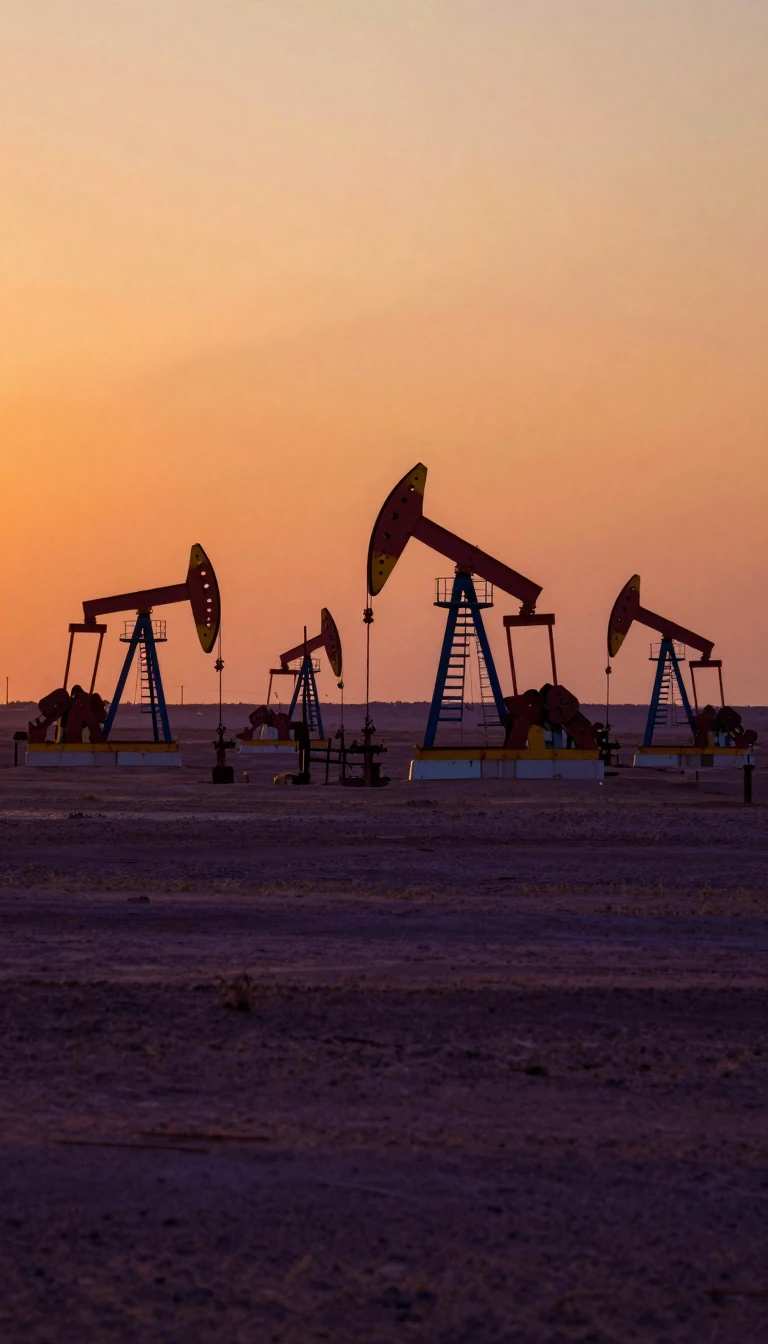 When Kuwait’s oil fields burned, experts feared a global climate catastrophe that never arrived.In 1991, retreating Iraqi forces ignited hundreds of Kuwaiti oil wells, creating a regional environmental nightmare. As smoke choked the skies, prominent scientists warned of a nu…